



The Great God Pan & The White People Arthur Machen
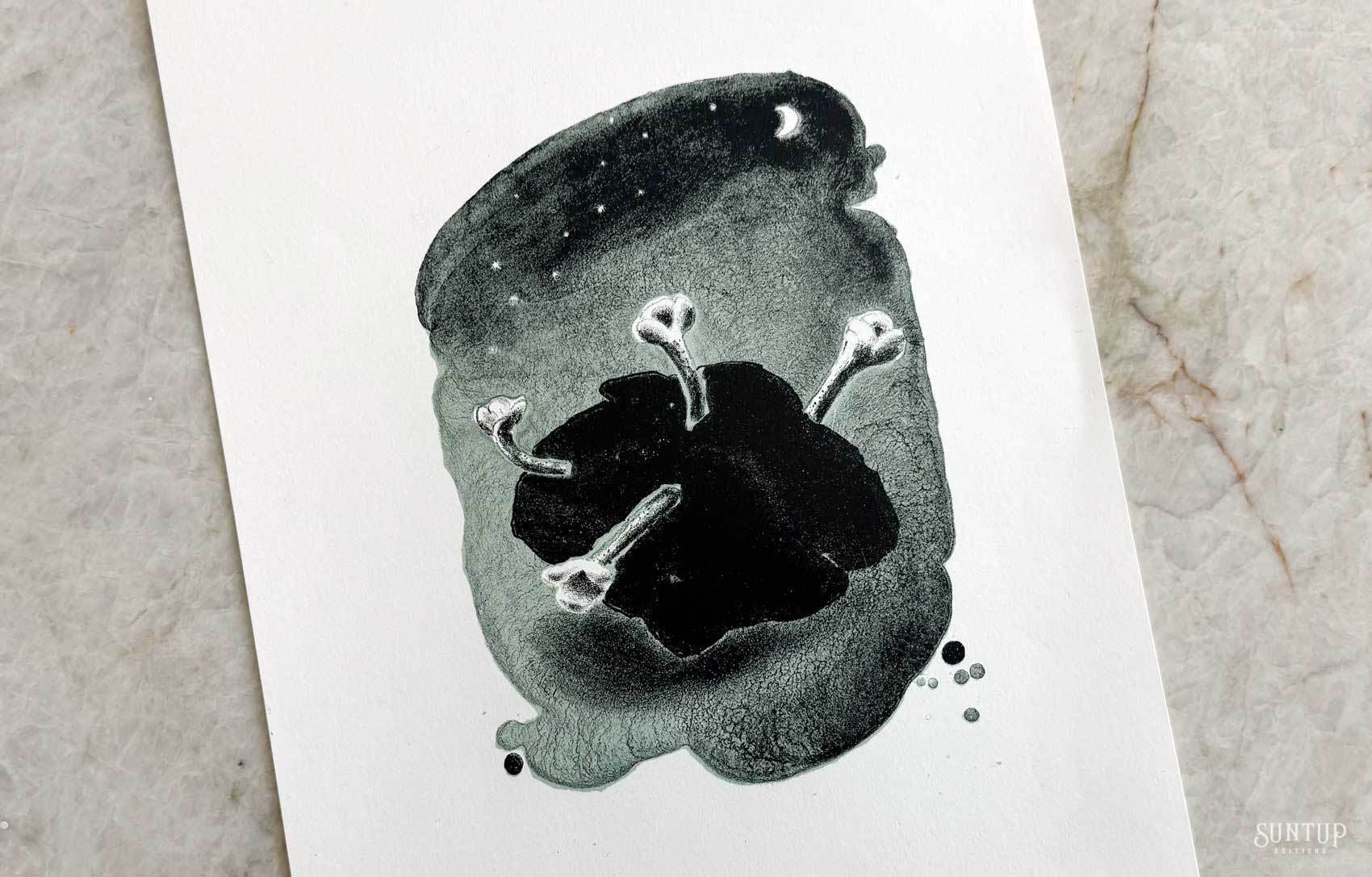
Illustrations by Flora McLachlan
Afterword by Henry Wessells
Among the foundational works of supernatural fiction, Arthur Machen’s The Great God Pan and “The White People” venture beyond reality as we know it, and into something older, stranger, and infinitely more dangerous.
In The Great God Pan, an experimental procedure intended to lift the veil separating the human mind from the unseen world leaves a young woman permanently altered. Years later, a mysterious and beautiful woman named Helen Vaughan appears in London, leaving ruin, madness, and death in her wake. As a group of men begin to trace the strange events surrounding her, they uncover a connection to that long-ago experiment and a horror that challenges the boundaries between the natural and supernatural.
In “The White People,” Machen turns inward, framing his tale around the diary of a young girl initiated by her nurse into a secret world of folklore, ritual, and forbidden knowledge. Written in the guileless language of childhood, her account grows steadily more transgressive as familiar woods and hills give way to an ancient landscape of strange ceremonies, hidden languages, and forces she cannot fully comprehend.
An early version of the opening chapter of The Great God Pan appeared in the literary magazine The Whirlwind in 1890 before Machen expanded the work for book publication in 1894. Its appearance caused an immediate sensation. Critics attacked its suggestions of sexuality, paganism, and moral corruption, with one contemporary reviewer condemning it as “a perfectly abominable story.” The scandal nevertheless helped make the book Machen’s first major success, and its reputation would change dramatically in the decades that followed. Today, The Great God Pan is regarded as a landmark of weird and supernatural fiction. Of it, H. P. Lovecraft wrote that “no one could begin to describe the cumulative suspense and ultimate horror with which every paragraph abounds.”
Written several years later, “The White People” first appeared in Horlick’s Magazine in 1904 and was subsequently collected in Machen’s The House of Souls in 1906. Where The Great God Pan shocked its earliest readers, “The White People” achieved its power through suggestion and restraint, withholding explanation even as its sense of dread deepens. H. P. Lovecraft considered it among the greatest works of horror, praising it for its atmosphere and artistic achievement, while critic E. F. Bleiler would later call it “probably the finest single supernatural story of the century, perhaps in the literature.” Its strange vocabulary and occult mythology would also leave a direct mark on Lovecraft’s own fiction, including his use of Machen’s “Aklo” in “The Dunwich Horror.”
This edition marks the first time The Great God Pan and “The White People” have been presented following a comparison with Machen’s surviving manuscripts. The texts were prepared by Henry Wessells, a longtime scholar of Arthur Machen whose work includes Arthur Machen: The Norman Hickman Collection, a descriptive catalogue of an important collection of Machen manuscripts. His examination of the original materials has allowed previously omitted text to be recovered and restored, offering readers a closer view of the works as Machen originally conceived them.
More than a century after their publication, The Great God Pan and “The White People” remain masterpieces, revealing the terror that awaits when the veil of the ordinary is lifted and humanity glimpses what was never meant to be seen.
About The Edition
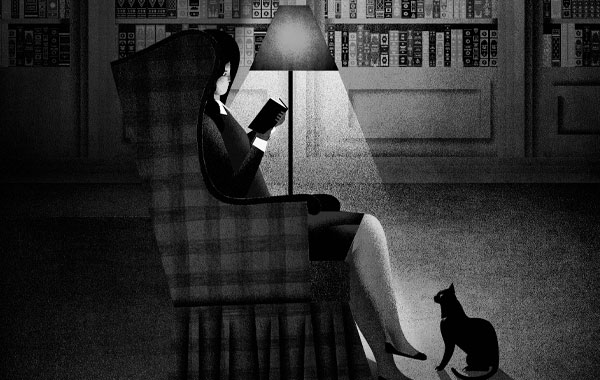
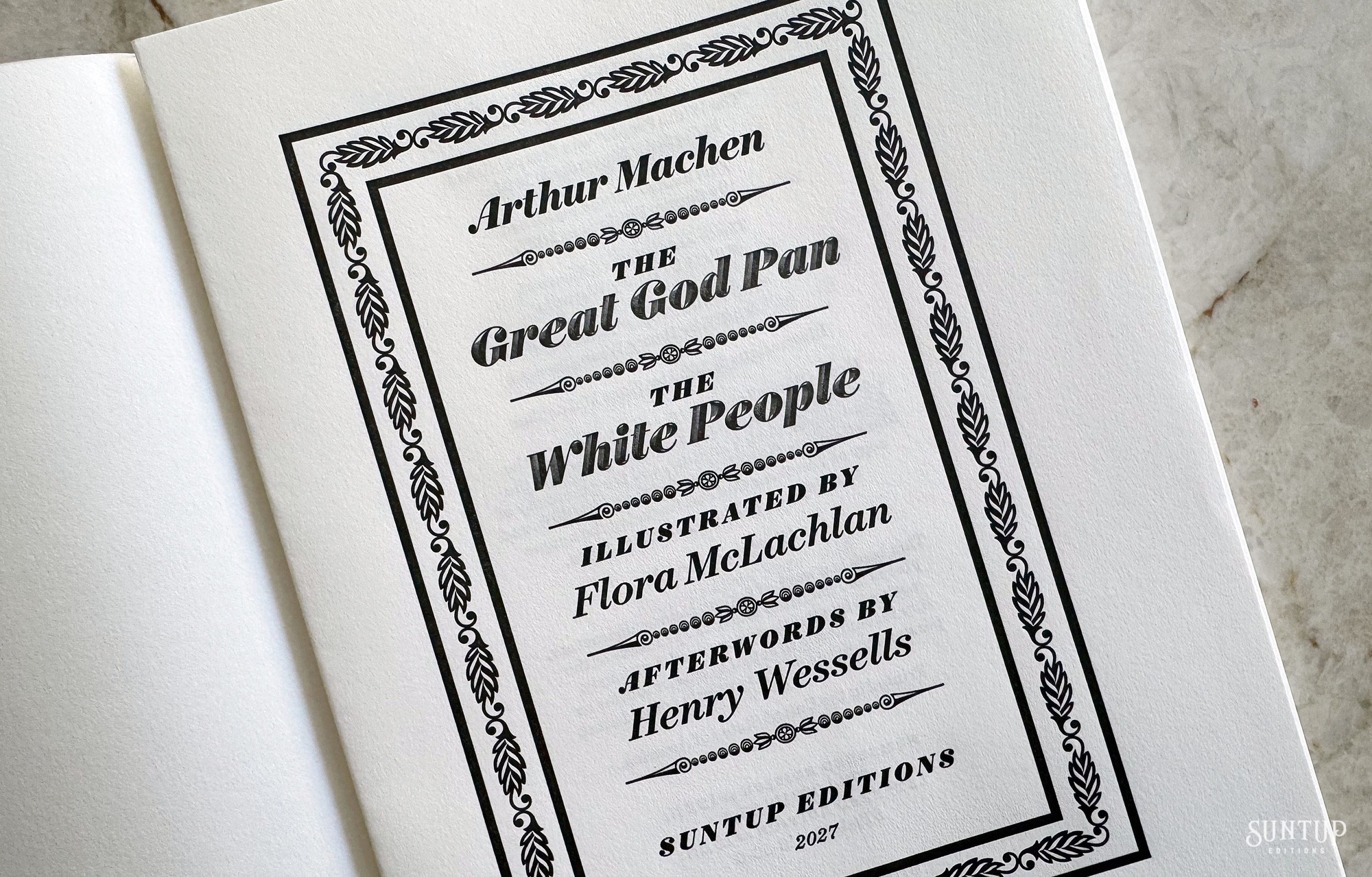
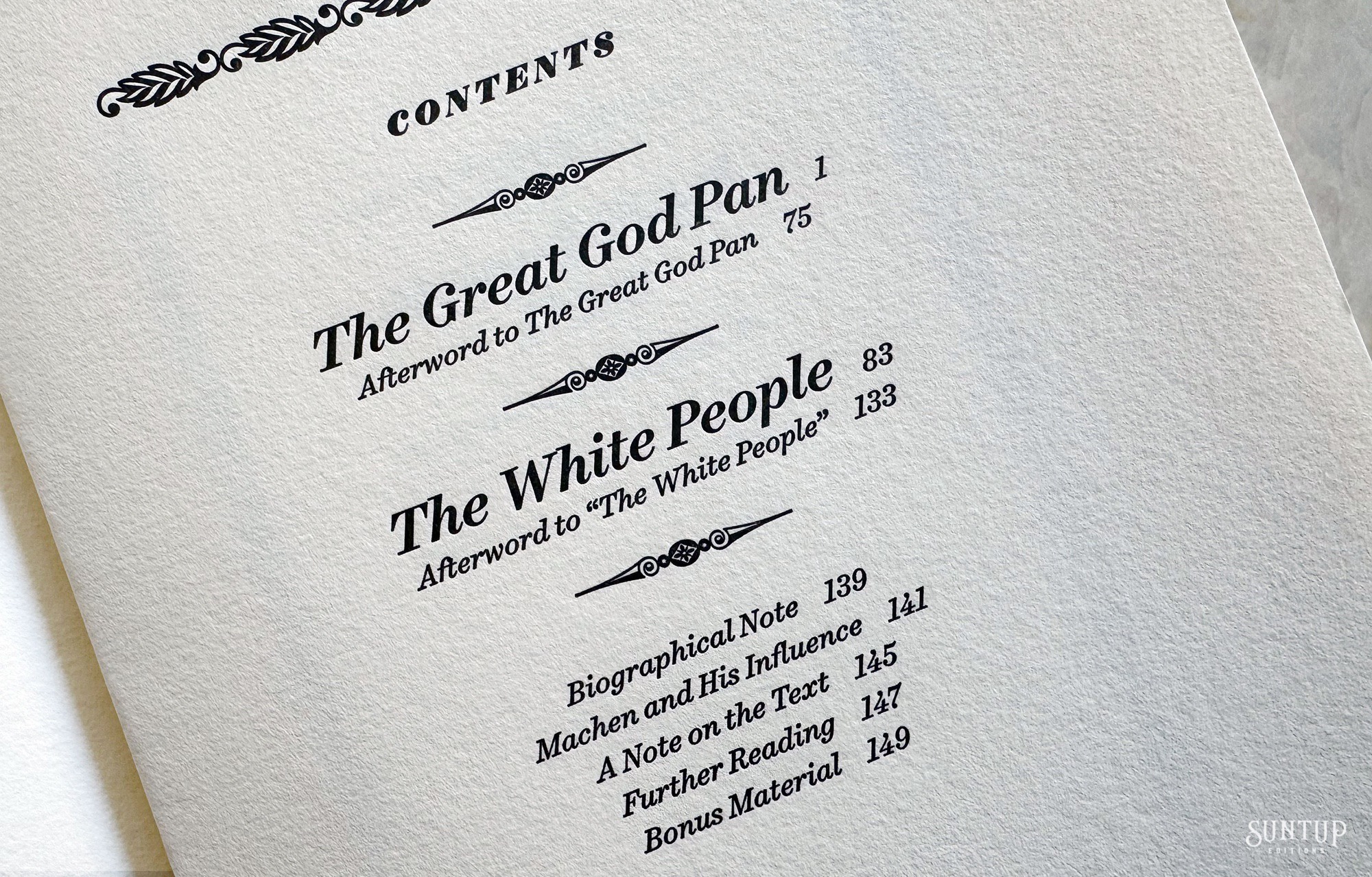
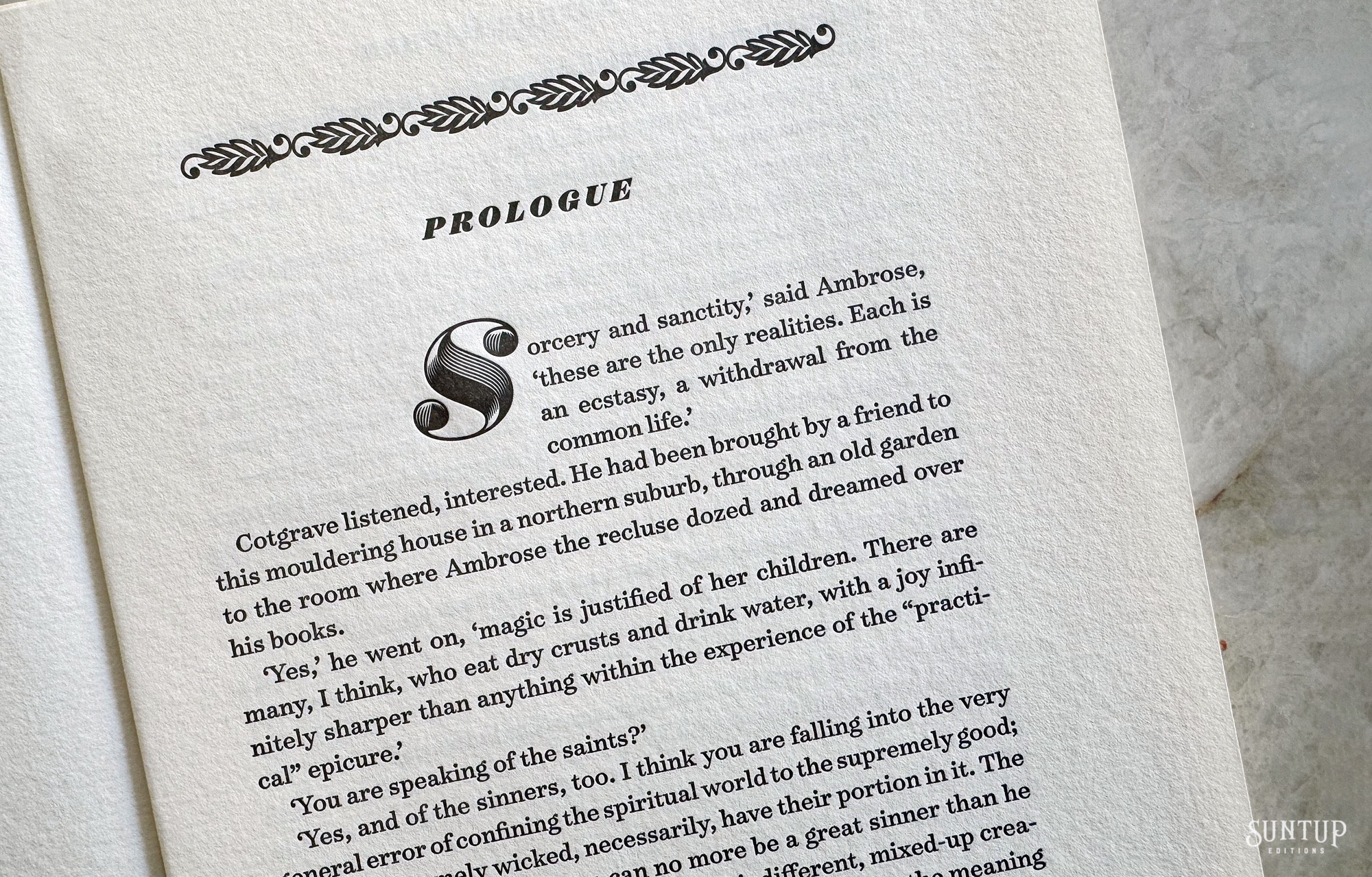
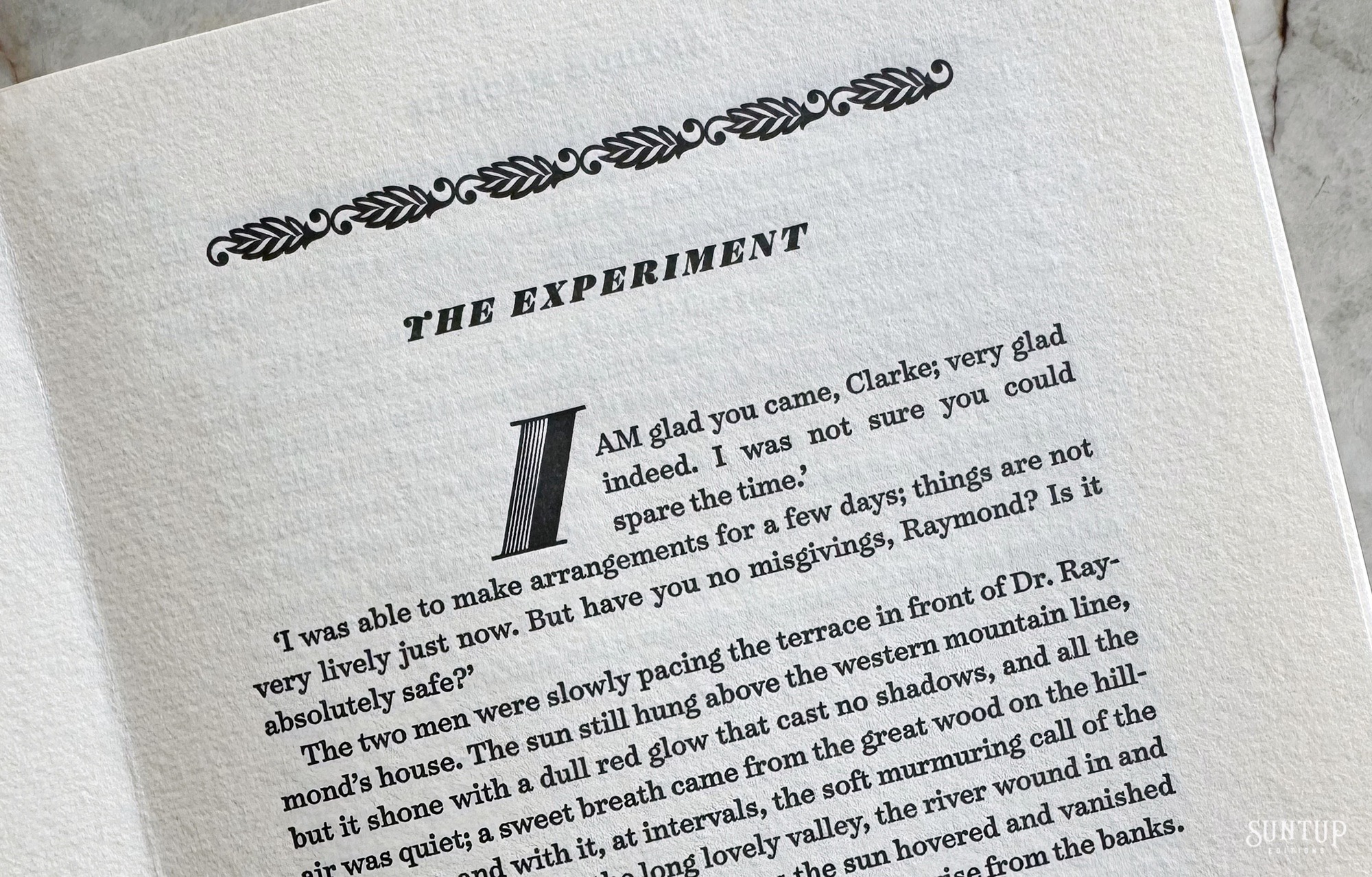
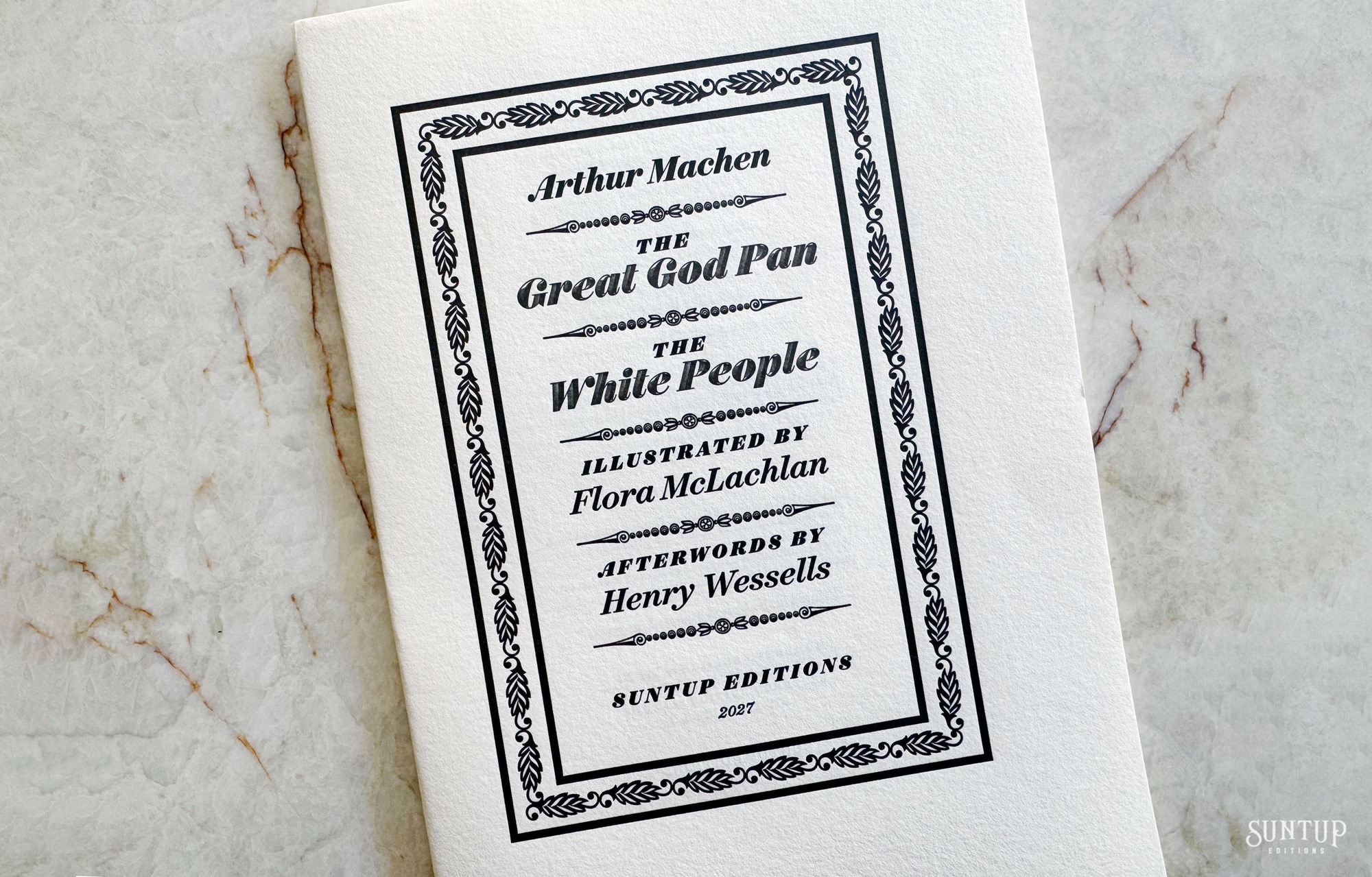
Our edition of The Great God Pan and “The White People” by Arthur Machen is presented in two states: Numbered and Lettered. The edition measures 6.7 x 9.5 inches and features eight stone lithographs by Flora McLachlan which are tipped in by hand, as well as new afterwords by Henry Wessells. Also included are reproductions of rarely seen material: an unpublished frontispiece etching by Herbert Jones for The Great God Pan, and two leaves from Machen’s autograph manuscripts.
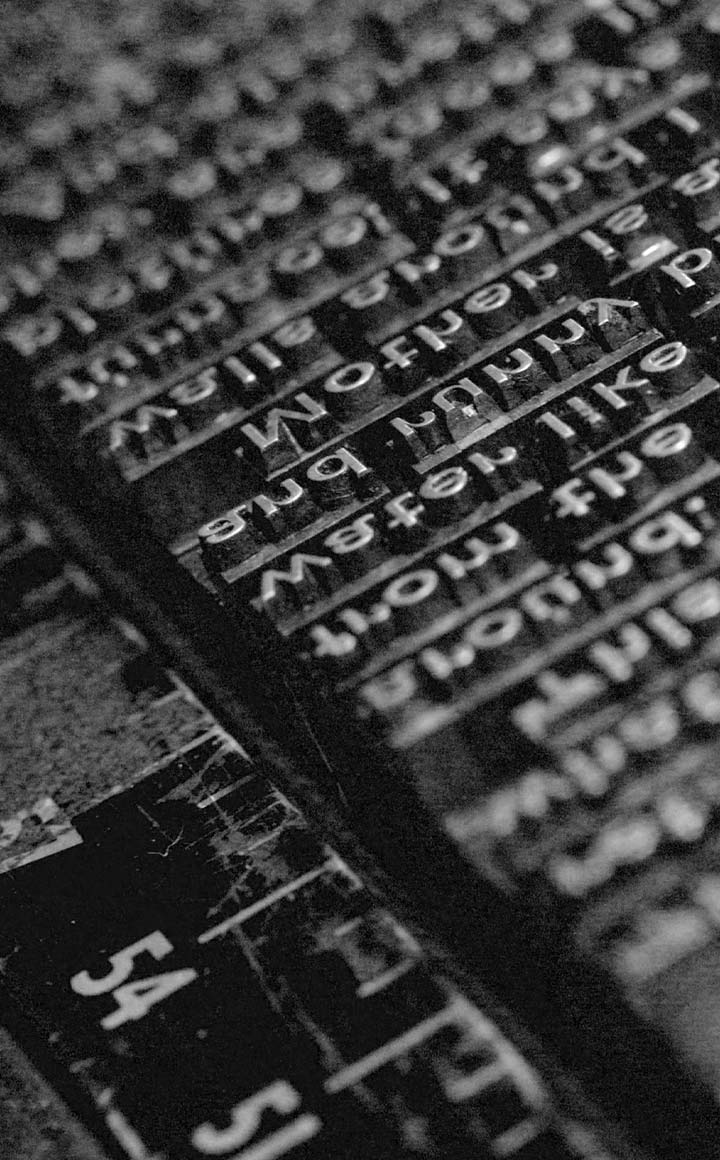
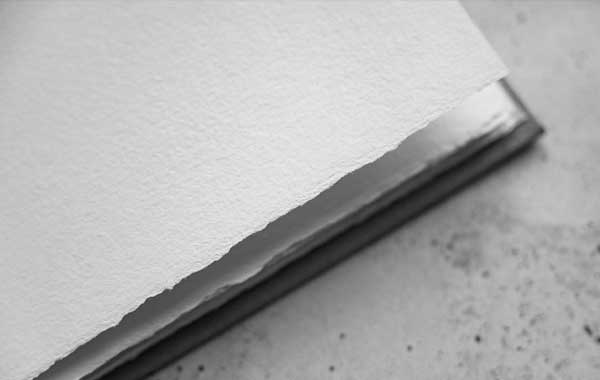
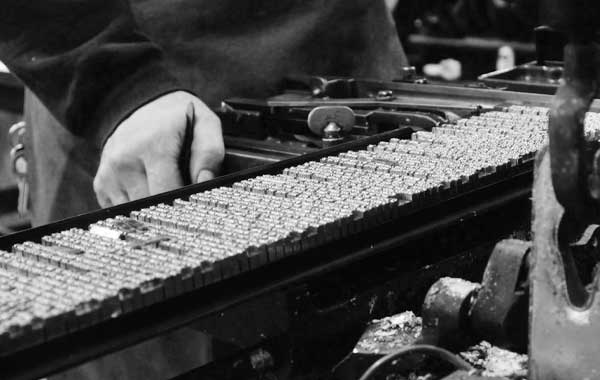
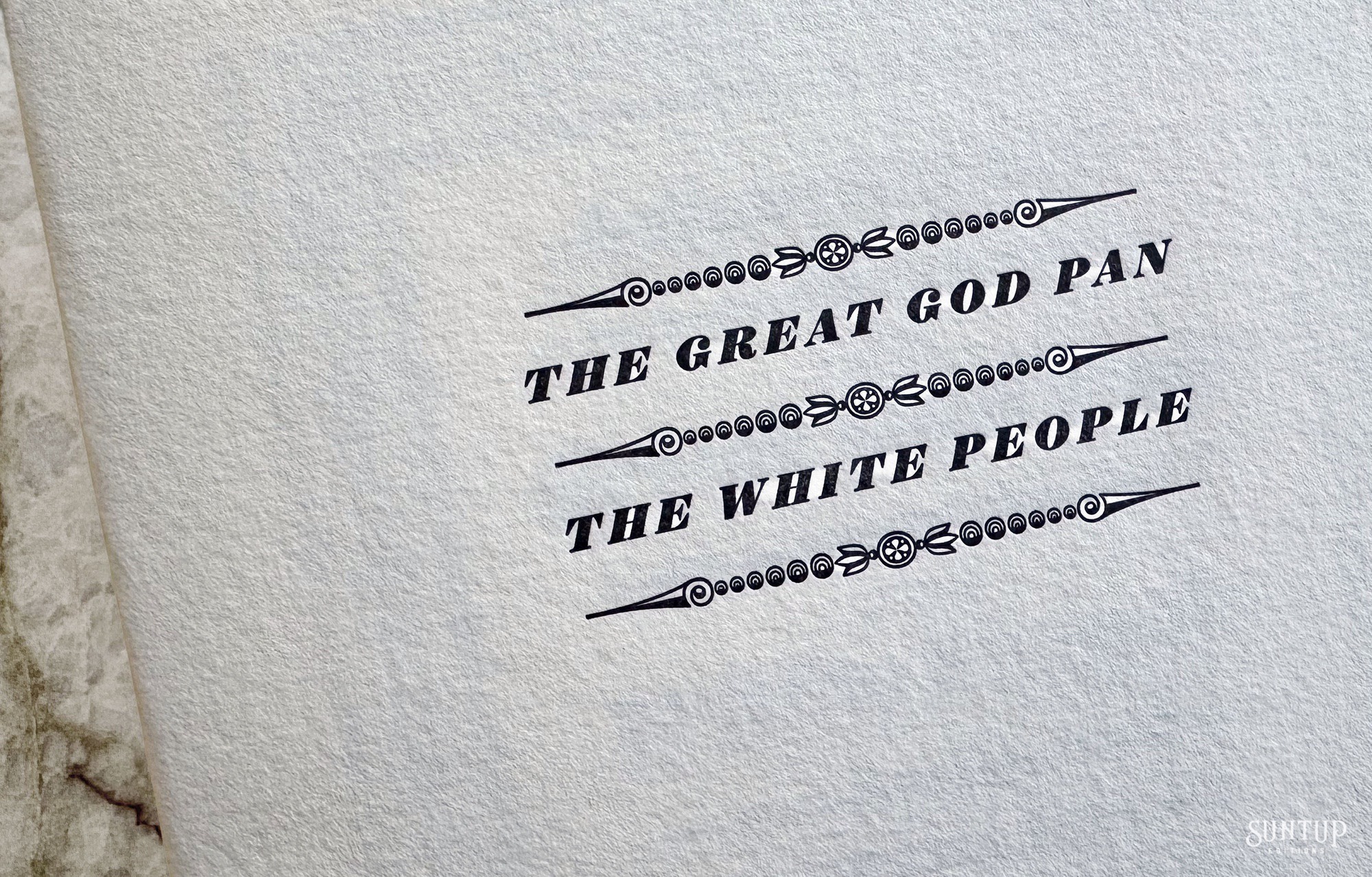
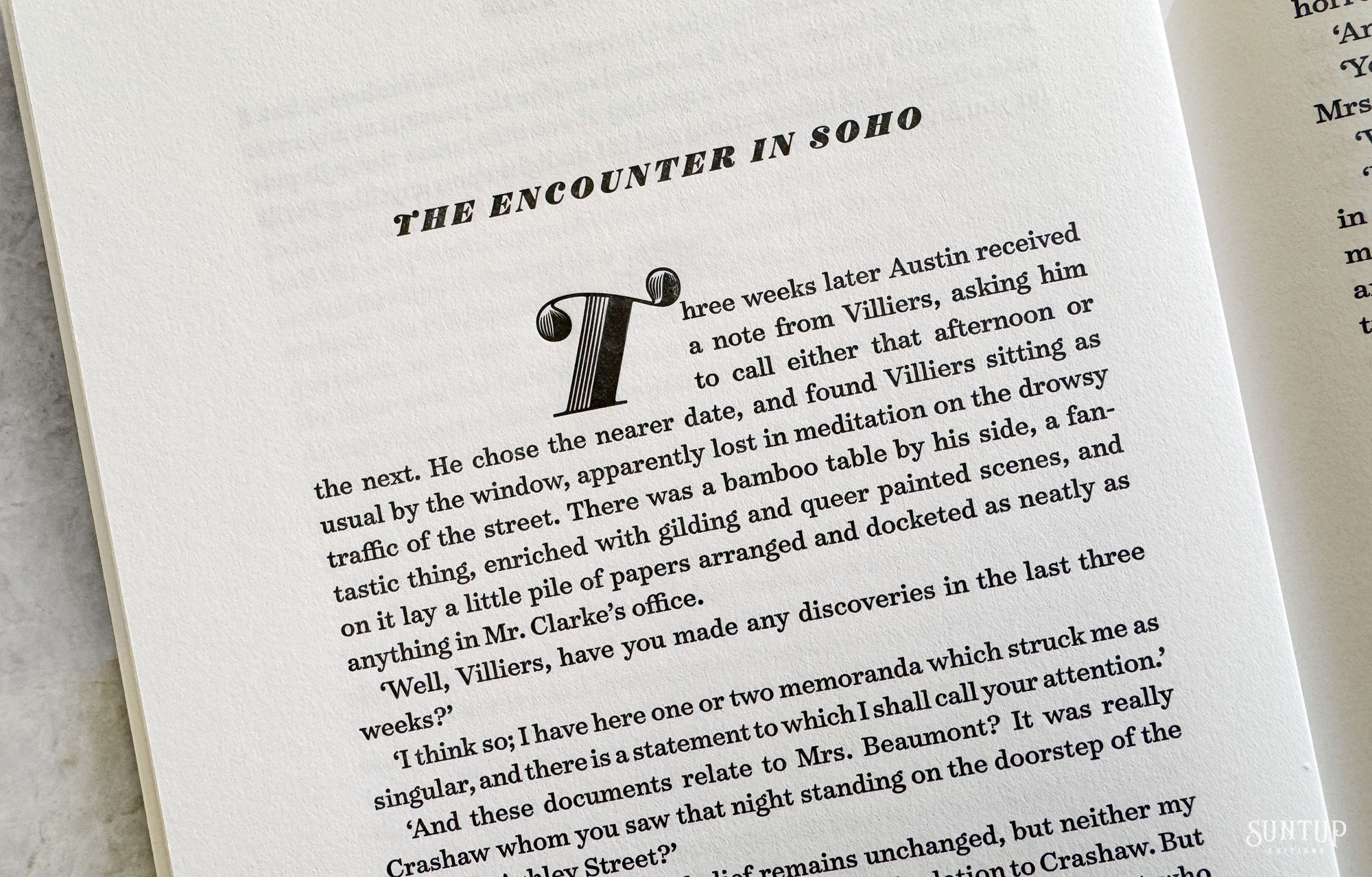
The text pages are set in Surveyor, with Obsidian for display. The edition is printed letterpress by Scott Vile on his Heidelberg Cylinder in Buxton, Maine on Mohawk Superfine and handmade Twinrocker paper made especially for this edition. Established in 1971, Twinrocker was pivotal to the renaissance of hand papermaking in America. The stone lithographs are printed by Patrick Wagner at Black Heart Press in Småland, Sweden. Interior design and typography by Misha Beletsky. All copies are signed by Flora McLachlan and Henry Wessells.
A Note on the Typography
The text is set in Surveyor, designed by Tobias Frere-Jones and Jonathan Hoefler in 2001. It grew from the lettering British mapmakers engraved on their charts in the early nineteenth century — the style known as the English Vernacular, with a steep, flowing italic. The face feels drawn by hand yet reads with the clarity of an engraved record — the quality that first drew it out of the mapmaker’s art.
The display face is Obsidian, designed by Andy Clymer with Jonathan Hoefler and released in 2015. It builds on Surveyor’s engraved map lettering and turns it toward ornament, joining the mapmaker’s hand to the heavy drama of nineteenth-century ‘fat face’ poster type. Its dense shading gives the story titles a fittingly ominous weight.
Numbered Edition
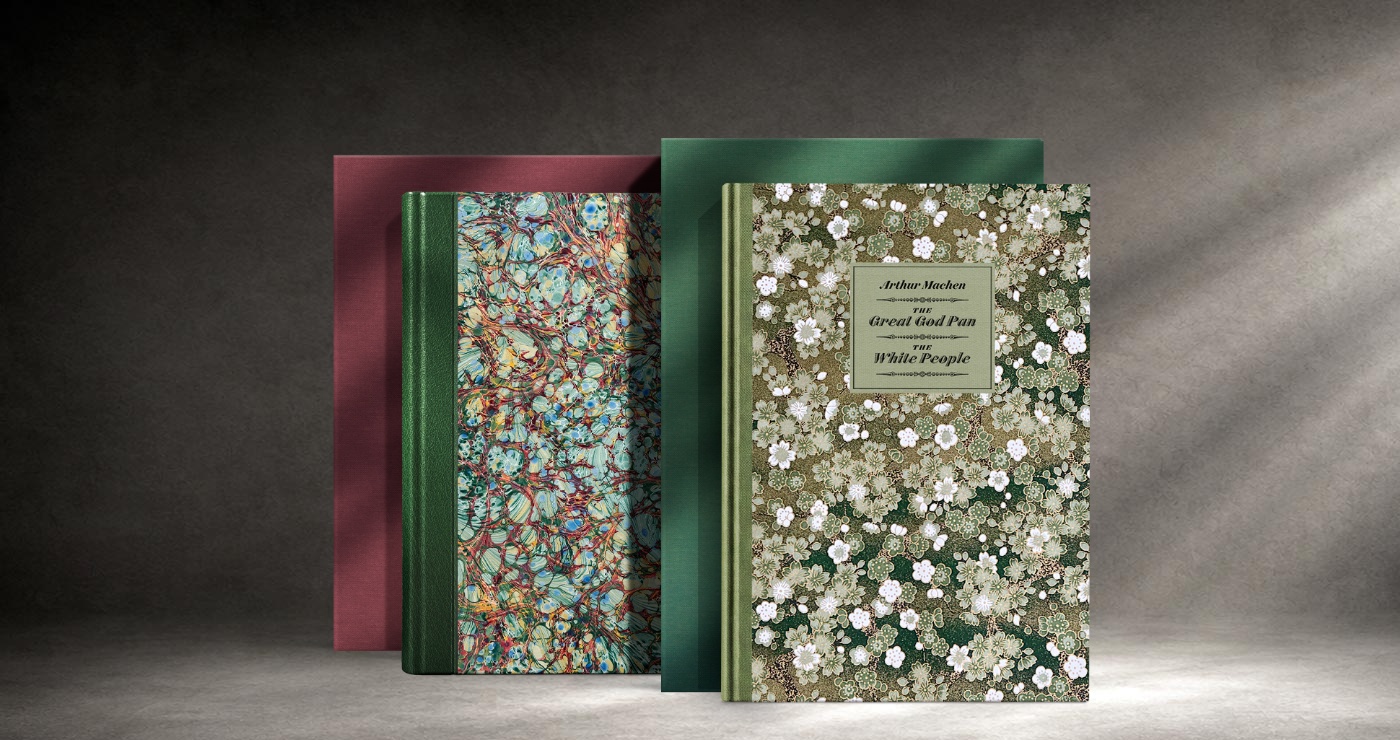
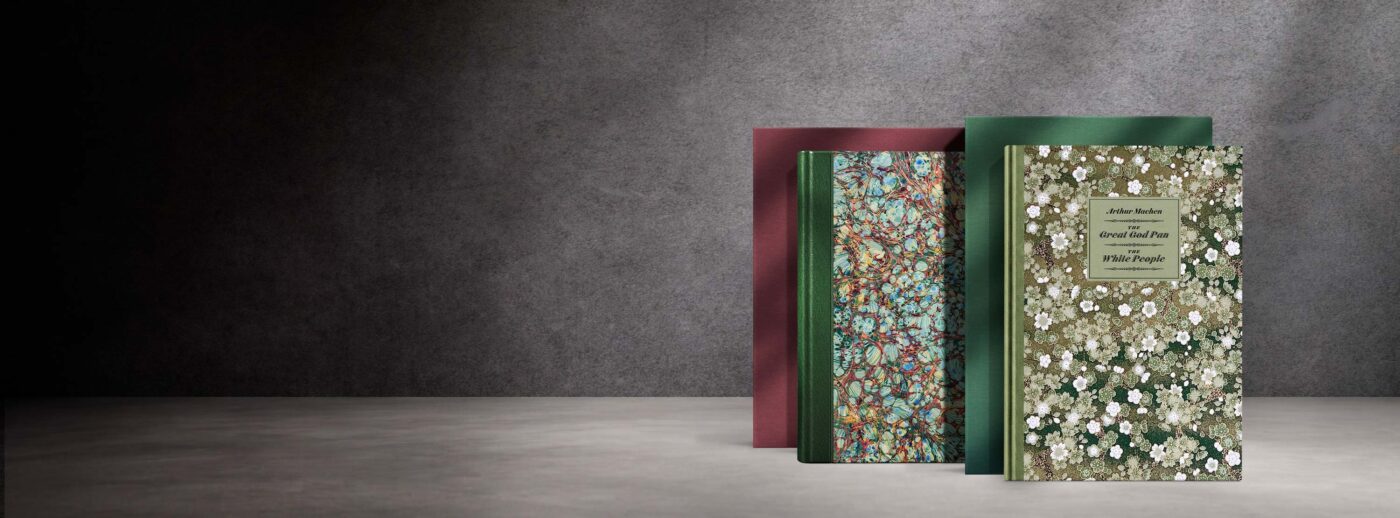
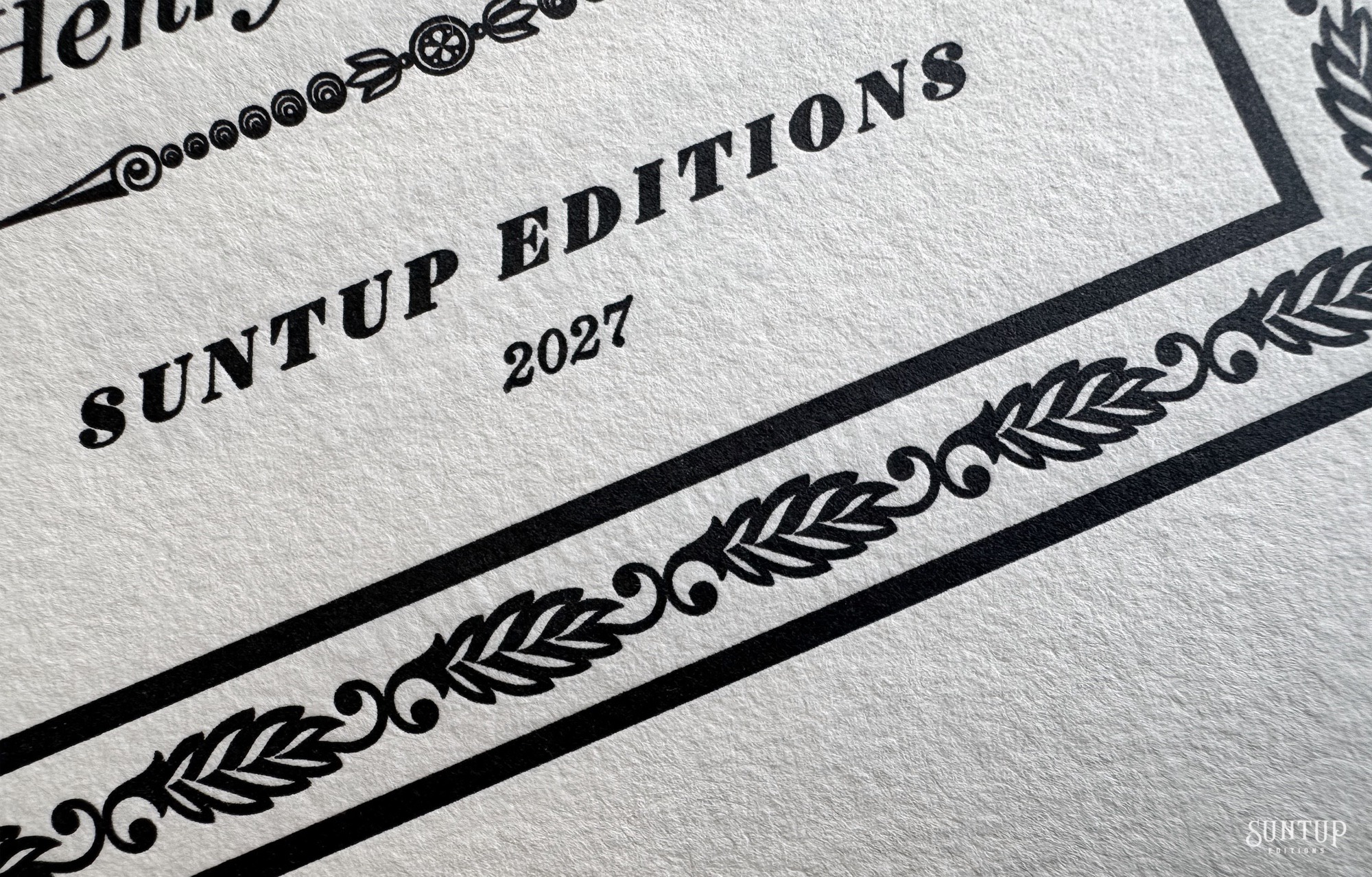
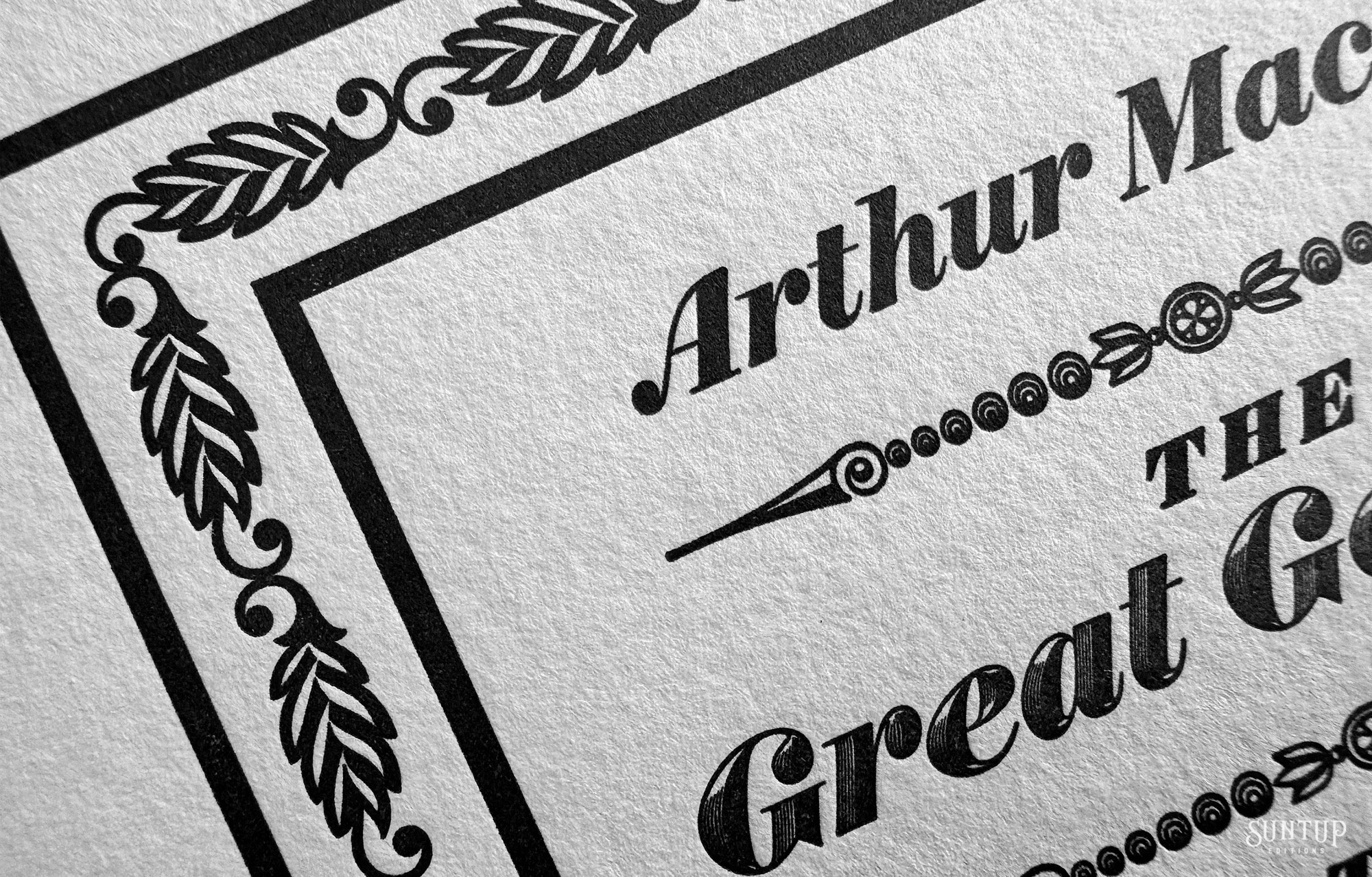
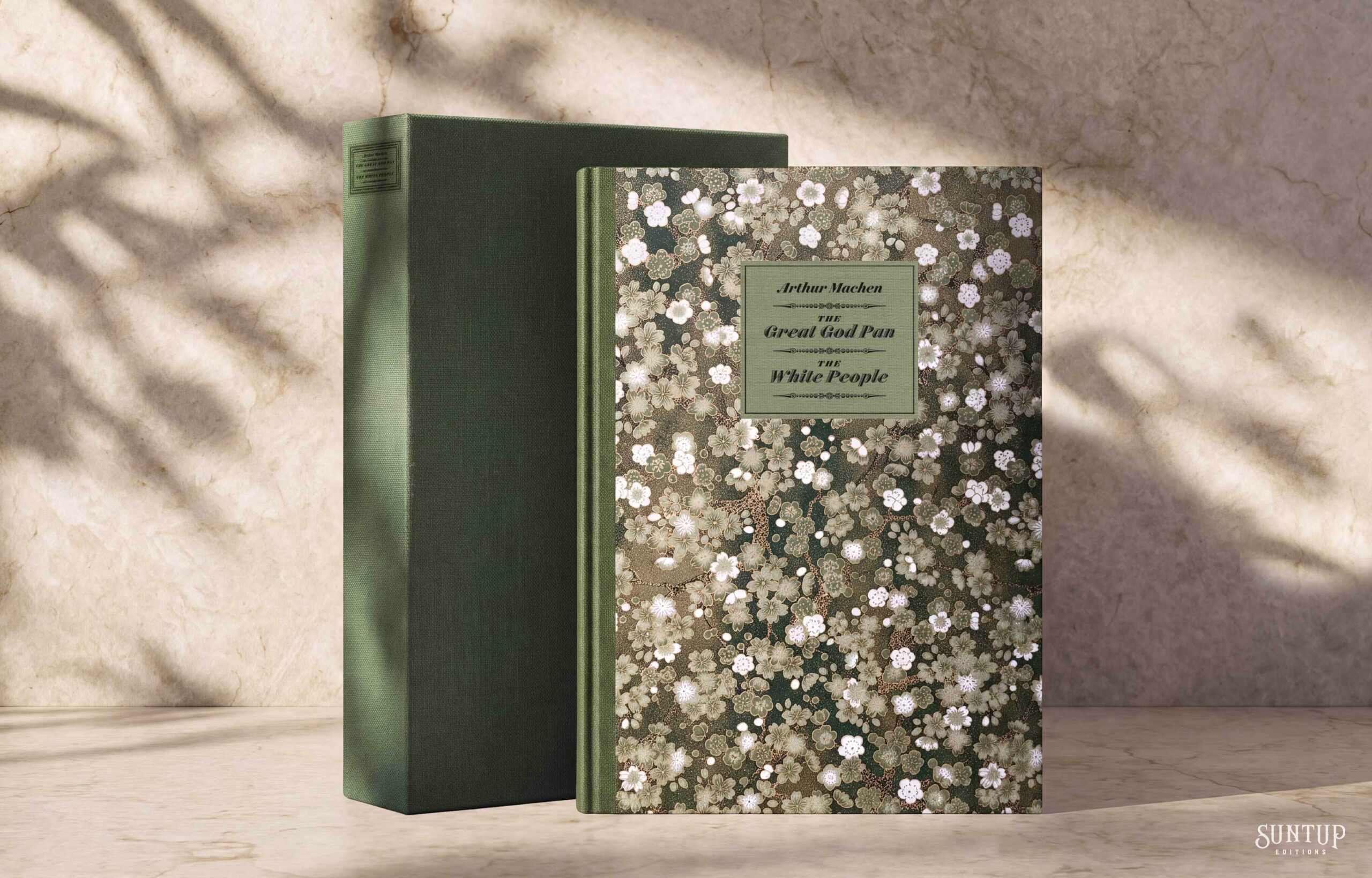
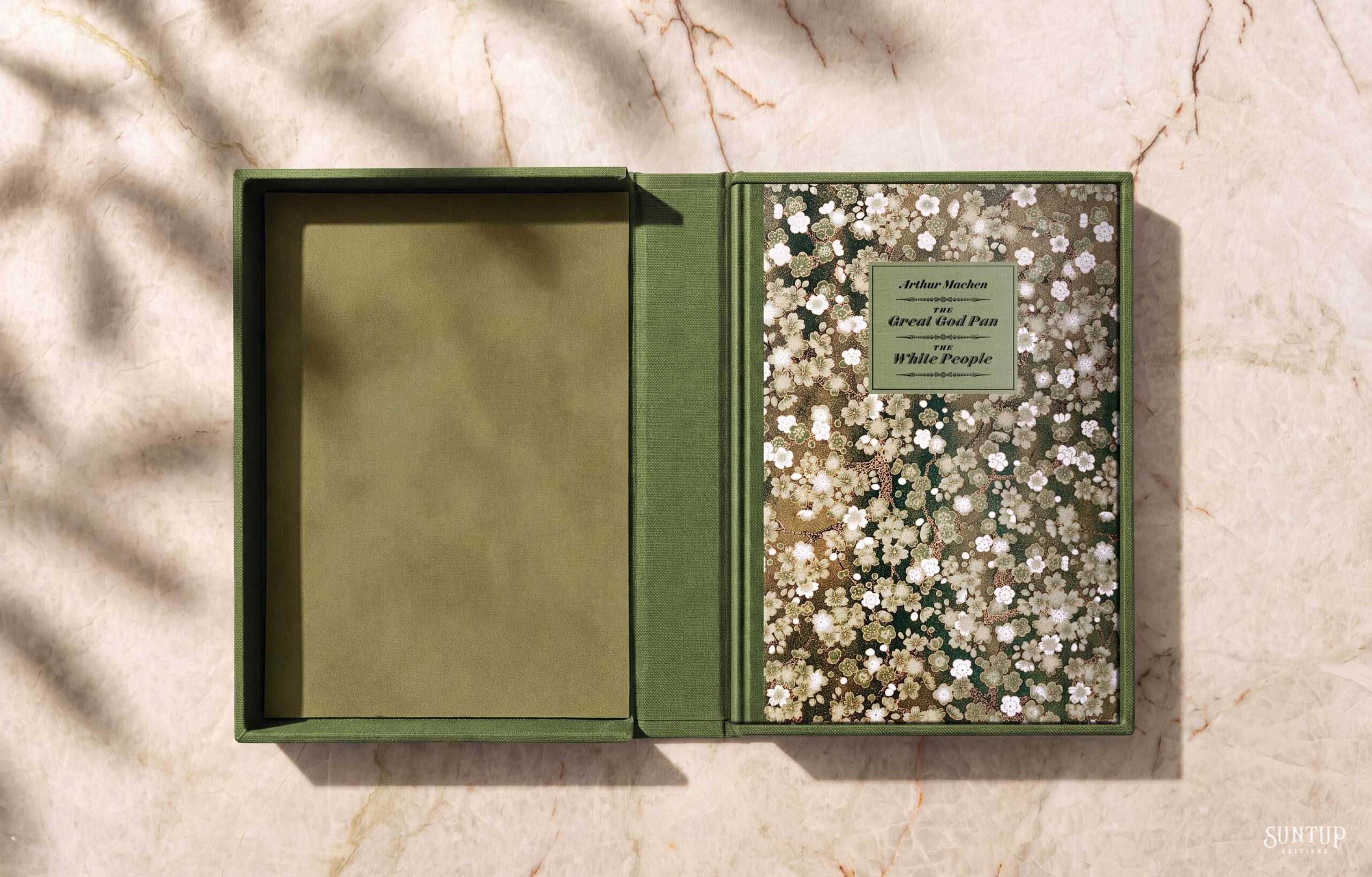
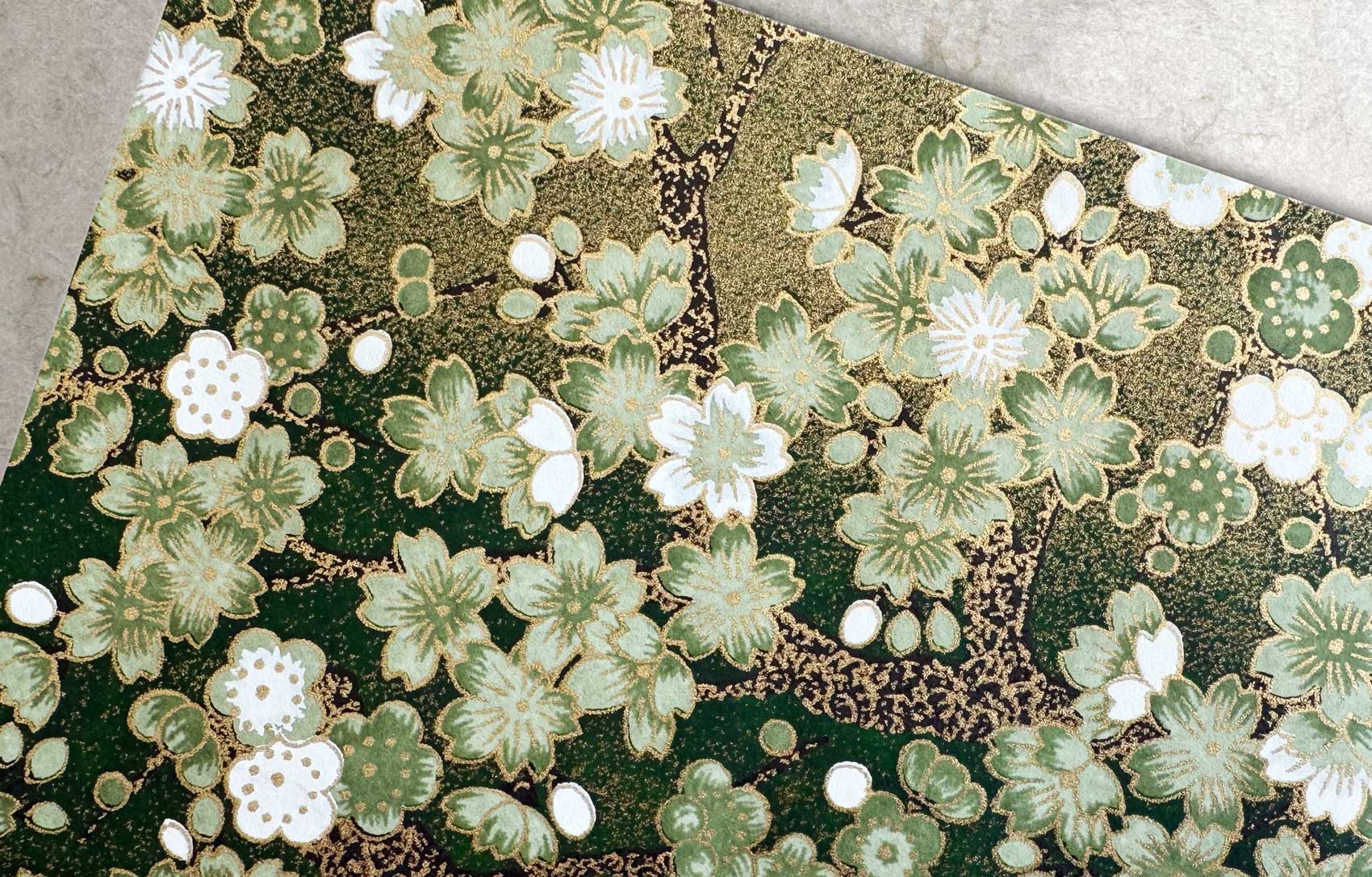
The Numbered edition of two hundred fifty copies is a quarter cloth binding with sides of Japanese chiyogami, a kozo paper silkscreened by hand. Each color is pulled from its own screen, with metallic gold accents. The front cover carries a letterpress-printed label. Endsheets are Hahnemühle Bugra, and the head and tail bands are handmade in cloth. The edition is printed letterpress on Mohawk Superfine, and is housed in a clamshell enclosure with cloth-covered boards and velour-lined trays. It is signed by Flora McLachlan and Henry Wessells.
Lettered Edition
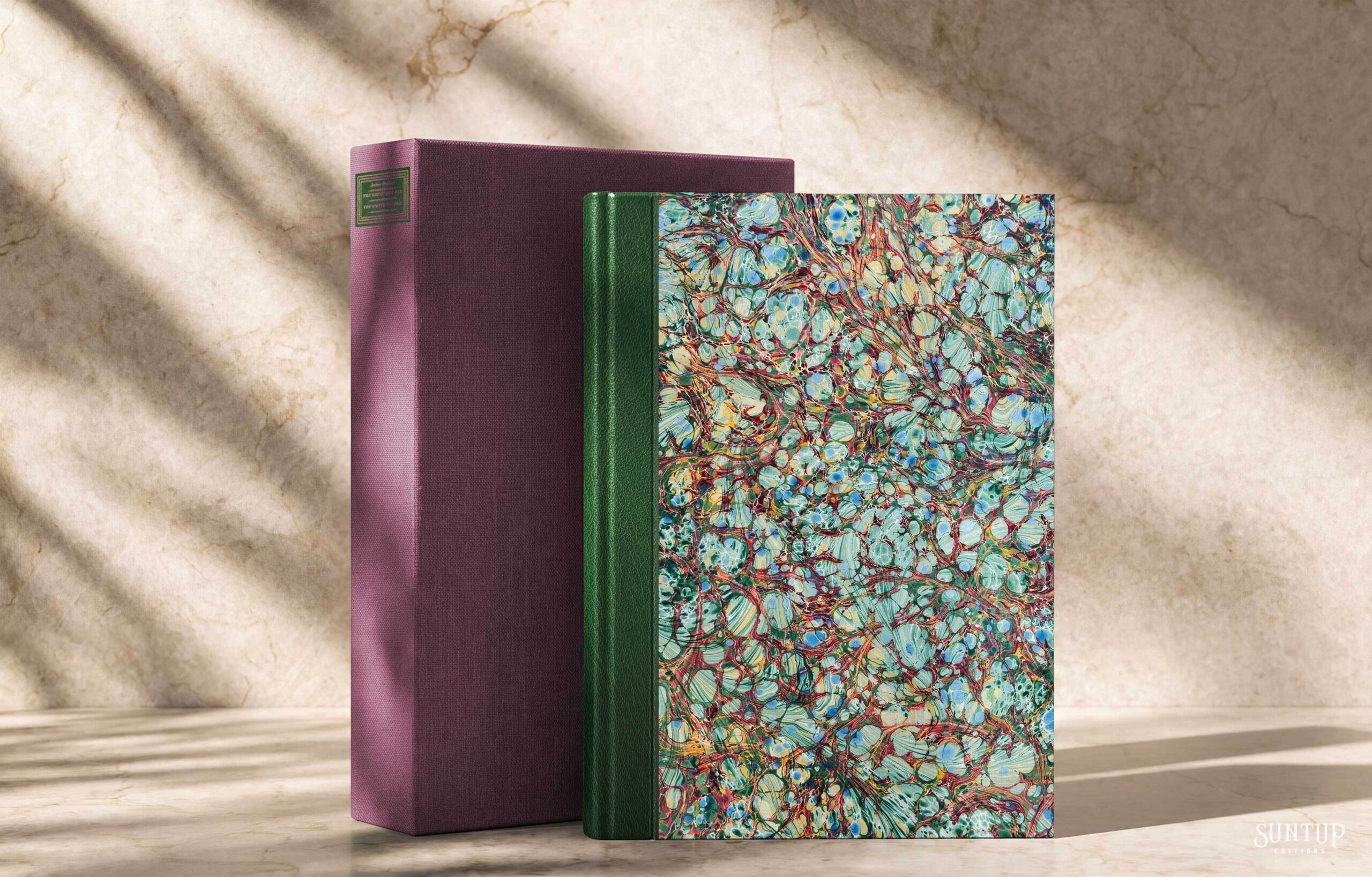
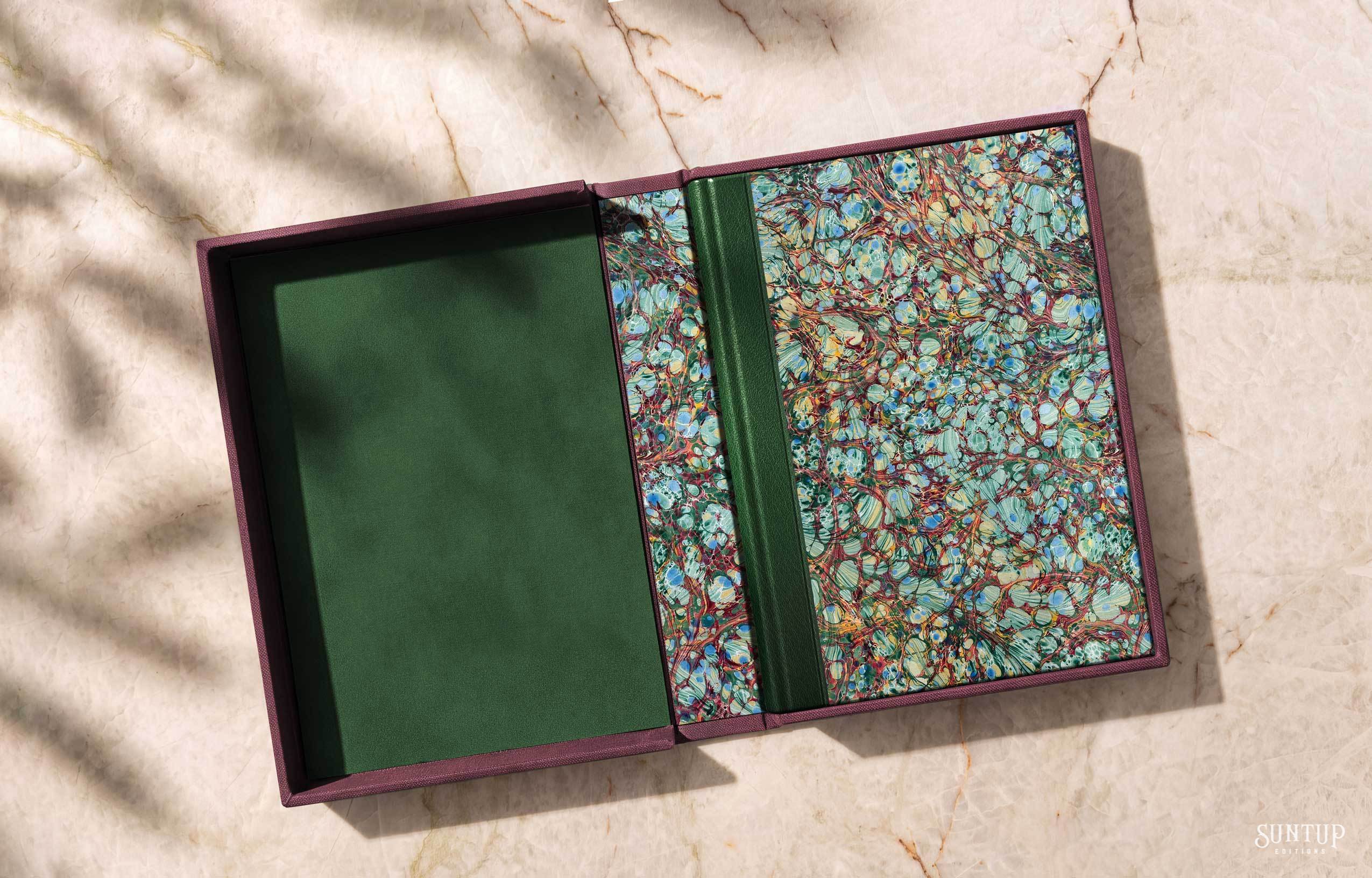
The Lettered edition of twenty-six copies is a quarter goatskin binding with hand-marbled paper sides by Claire Guillot. A single blind-blocked rule marks the edge of the leather. Endsheets are Hahnemühle Bugra, and the head and tail bands are handmade in leather. The edition is printed letterpress by Scott Vile on his Heidelberg Cylinder in Buxton, Maine on Handmade Twinrocker, and is housed in a clamshell enclosure with cloth-covered boards and velour-lined trays. It is bound by Jace Graf in Elgin, Texas and signed by Flora McLachlan and Henry Wessells.
A Note on Stone Lithography
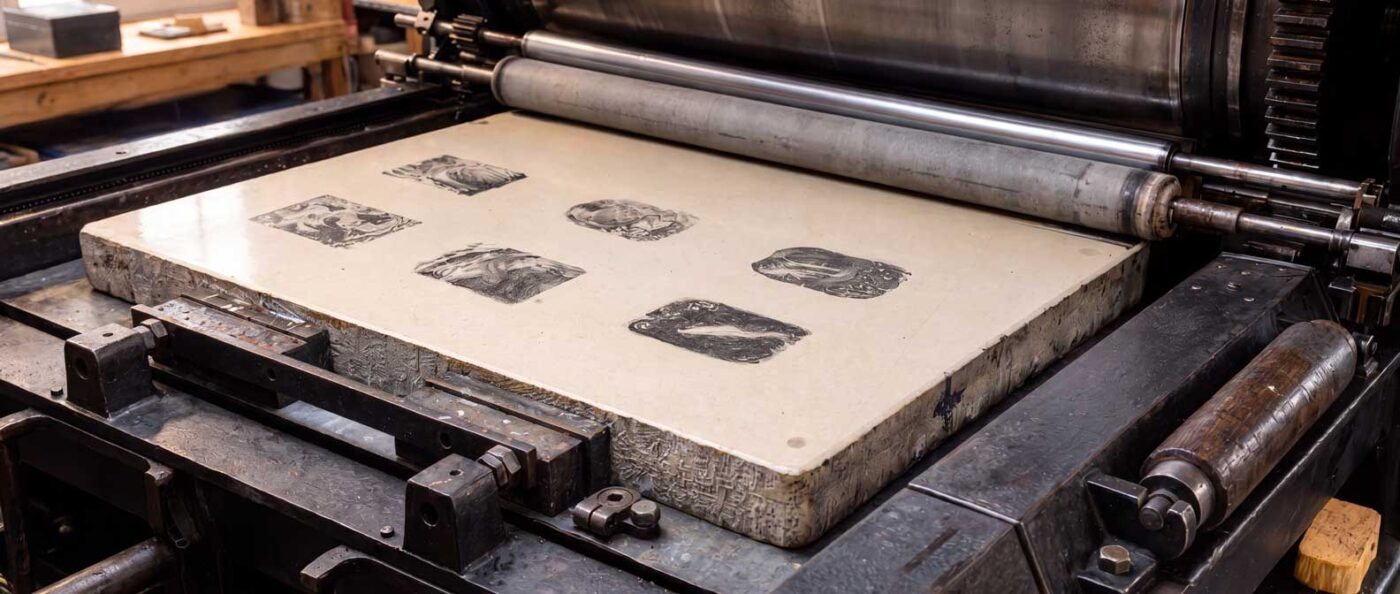
The illustrations in this edition were made by stone lithography, a printmaking process worked entirely by hand. Invented in the 1790s by the German playwright Alois Senefelder, it is among the most demanding of the hand printmaking processes.
Each image is drawn directly onto a grained slab of limestone, in greasy lithographic crayon and tusche, a liquid drawing ink. Nothing is cut or incised; the surface stays perfectly flat, and the image exists only in the grease the artist lays down. The drawing is then fixed with a wash of gum arabic and mild acid, which sets the marks and prepares the bare stone to hold water. To print, the stone is dampened and charged with oil-based ink: the wet areas turn the ink away while the drawn image takes it up. A sheet of paper is laid down and drawn through the press under pressure, and the image lifts off in reverse.
Every impression is inked and pulled by hand, one sheet at a time, and a stone will yield only a limited number before it must be ground down and the image is lost for good. Because the artist works directly on the stone rather than copying a finished picture, each sheet is an original print — an impression pulled from the artist’s own matrix, not a reproduction of a work that exists elsewhere.
The limestone itself carries fine mineral and fossil inclusions that can hold ink, and the hand process leaves slight variations and small incidental marks from one sheet to the next. These are inherent to the medium, and part of what gives an original hand-pulled lithograph its character.
The edition’s illustrator, Flora McLachlan, has written a firsthand account of making these lithographs — from drawing on the stones to the press work in Sweden. Read it here.
Behind-the-Scenes Video – Stone Lithographs by Flora McLachlan
About the Author
About the Collaborators

Henry Wessells
Henry Wessells is a writer and antiquarian bookseller. His books include Another Green World, A Conversation Larger Than the Universe, The Private Life of Books, and The Elfland Prepositions. He lives in New Jersey and can be found online at endlessbookshelf.net
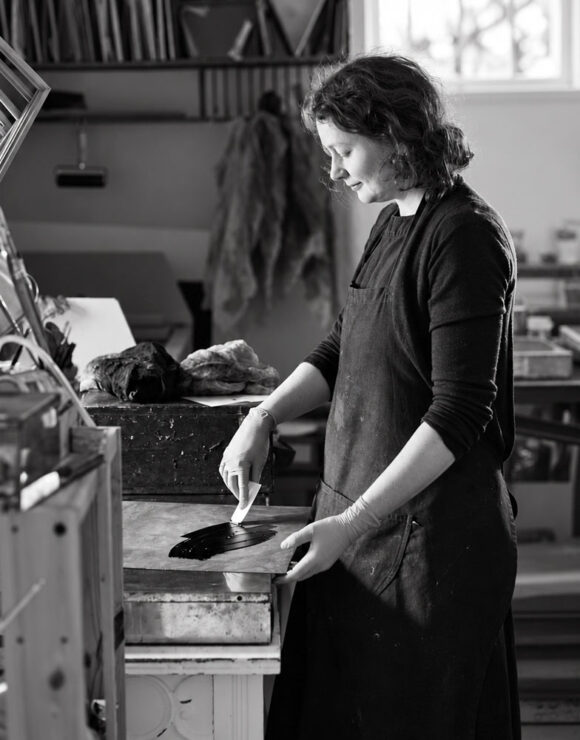
Flora McLachlan
Flora McLachlan is an artist and printmaker living near the Preseli mountains in West Wales. She makes etchings, lithographs and block prints as well as paintings. Her work is inspired by the natural world and by the fairy tales she read in her childhood. She was elected an associate member of the Royal Society of Painter Printmakers in 2008, becoming a fellow in 2013.
Matching Numbers & Letters
A Matching Pre-Order email is sent to owners of our previous publication, Child of God at 9:00 A.M. PT on the day of announcement. If you did not receive the email, contact us here. If your order is not received before the deadline, your designated number or letter will be assigned to the new owner.
Stone Lithographs by Flora McLachlan
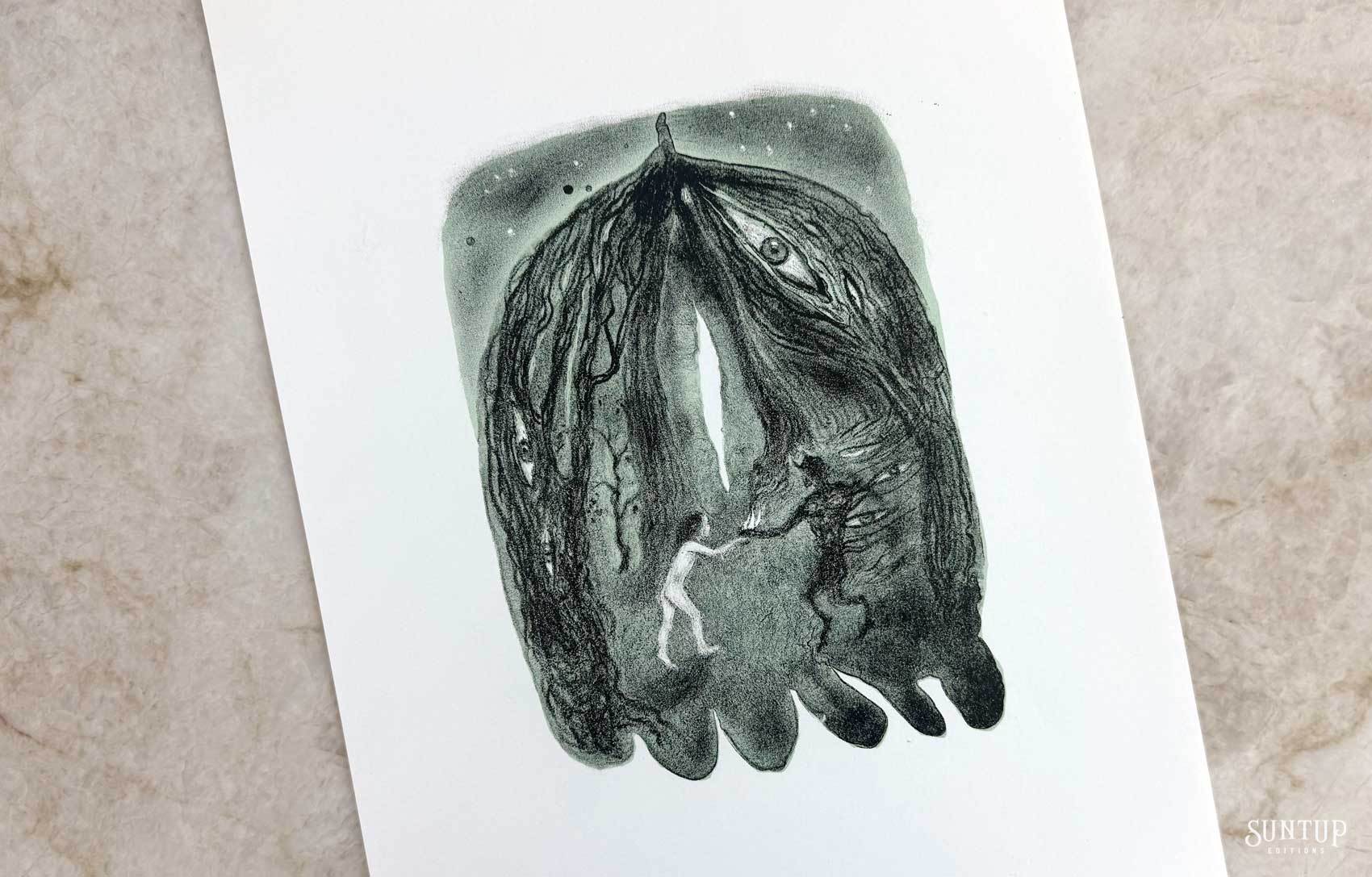
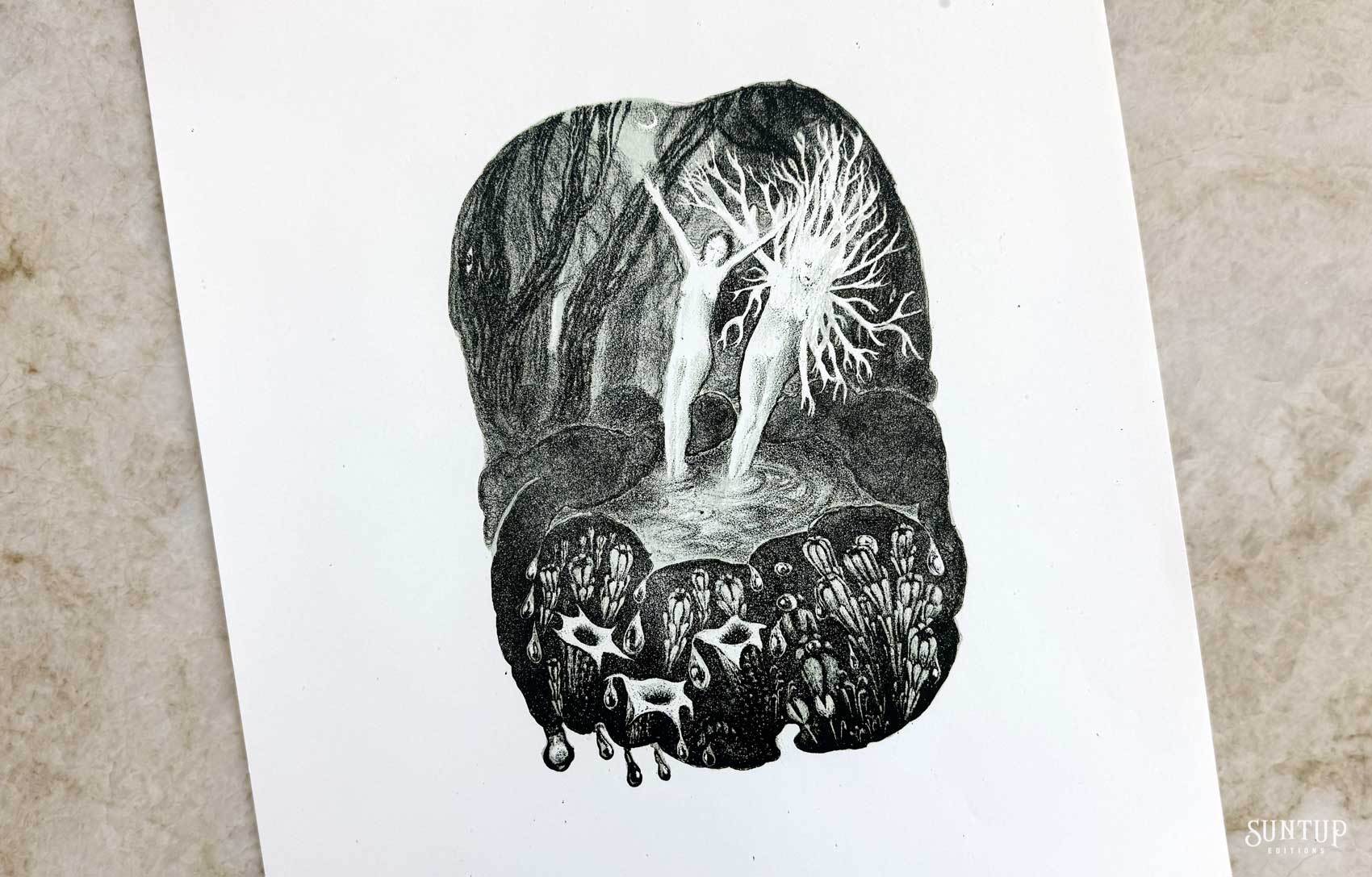
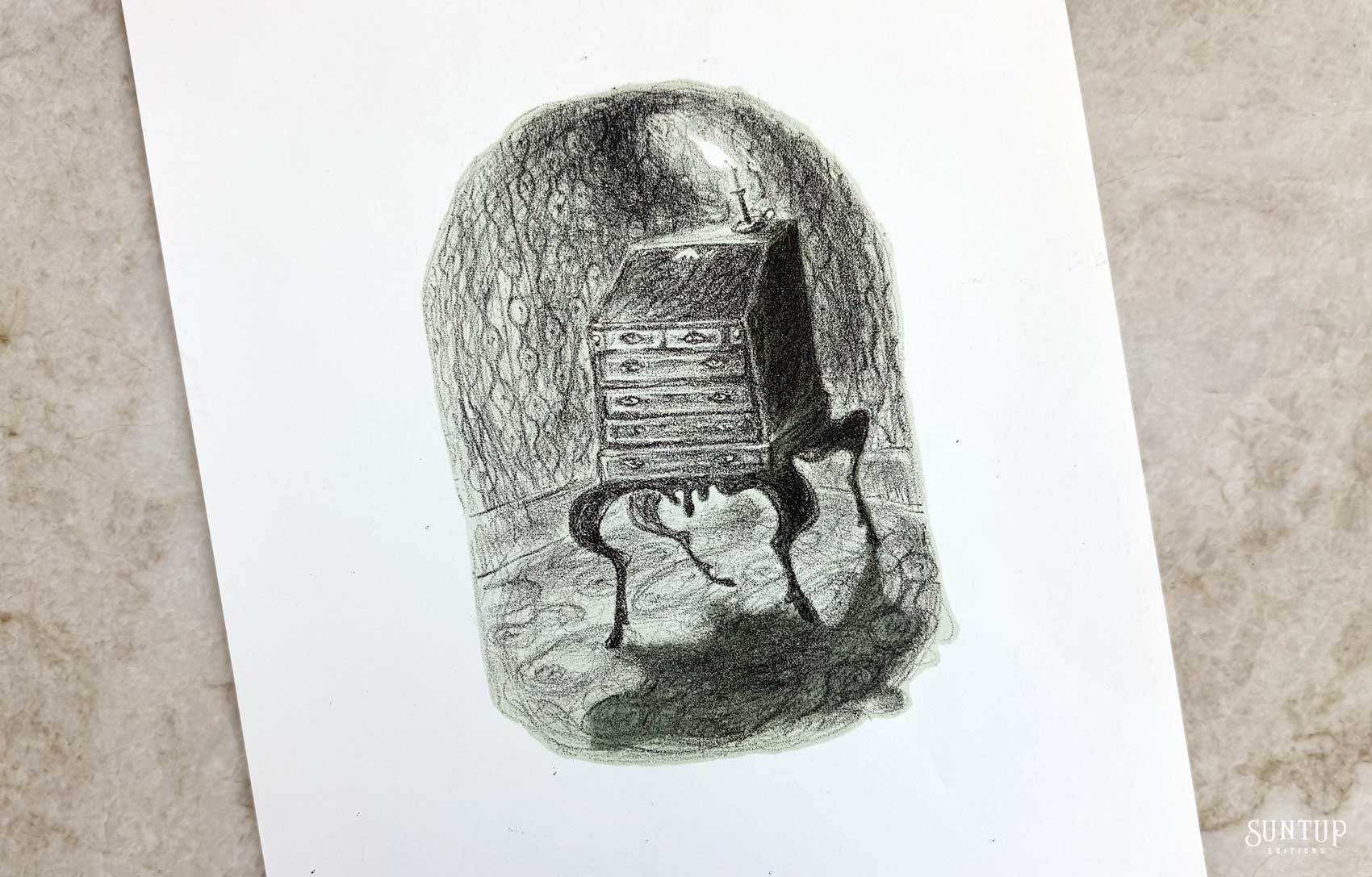
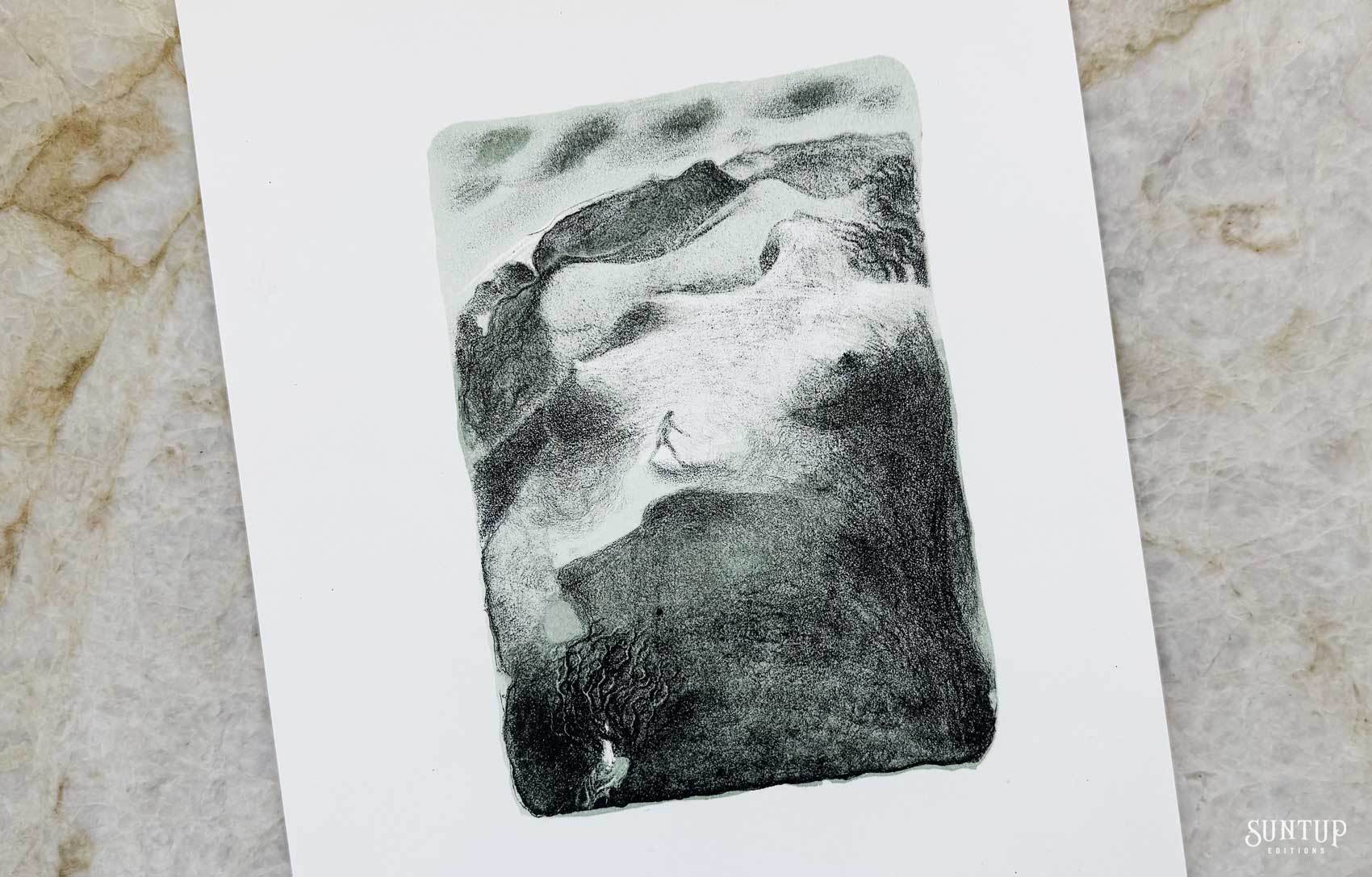
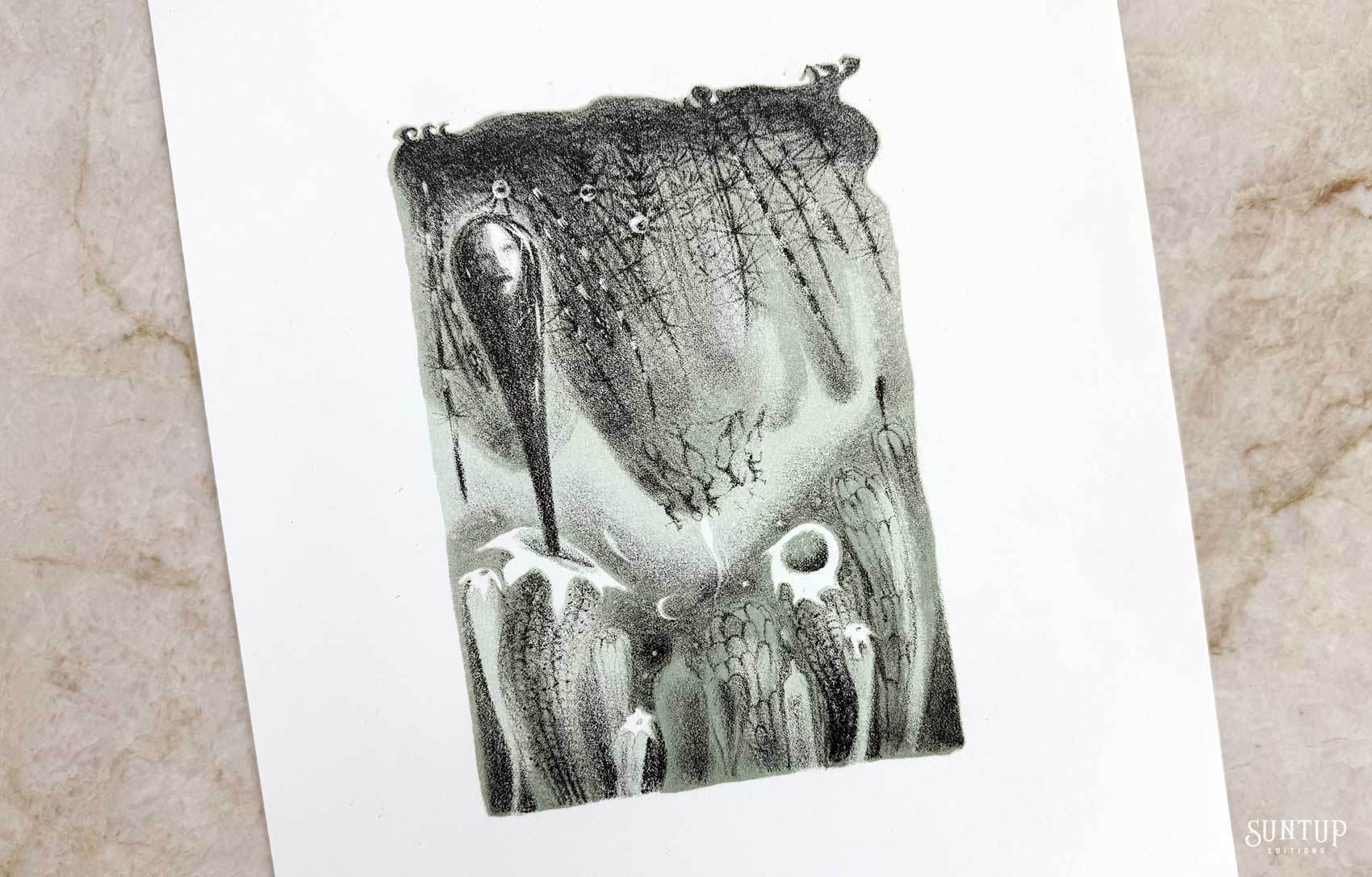
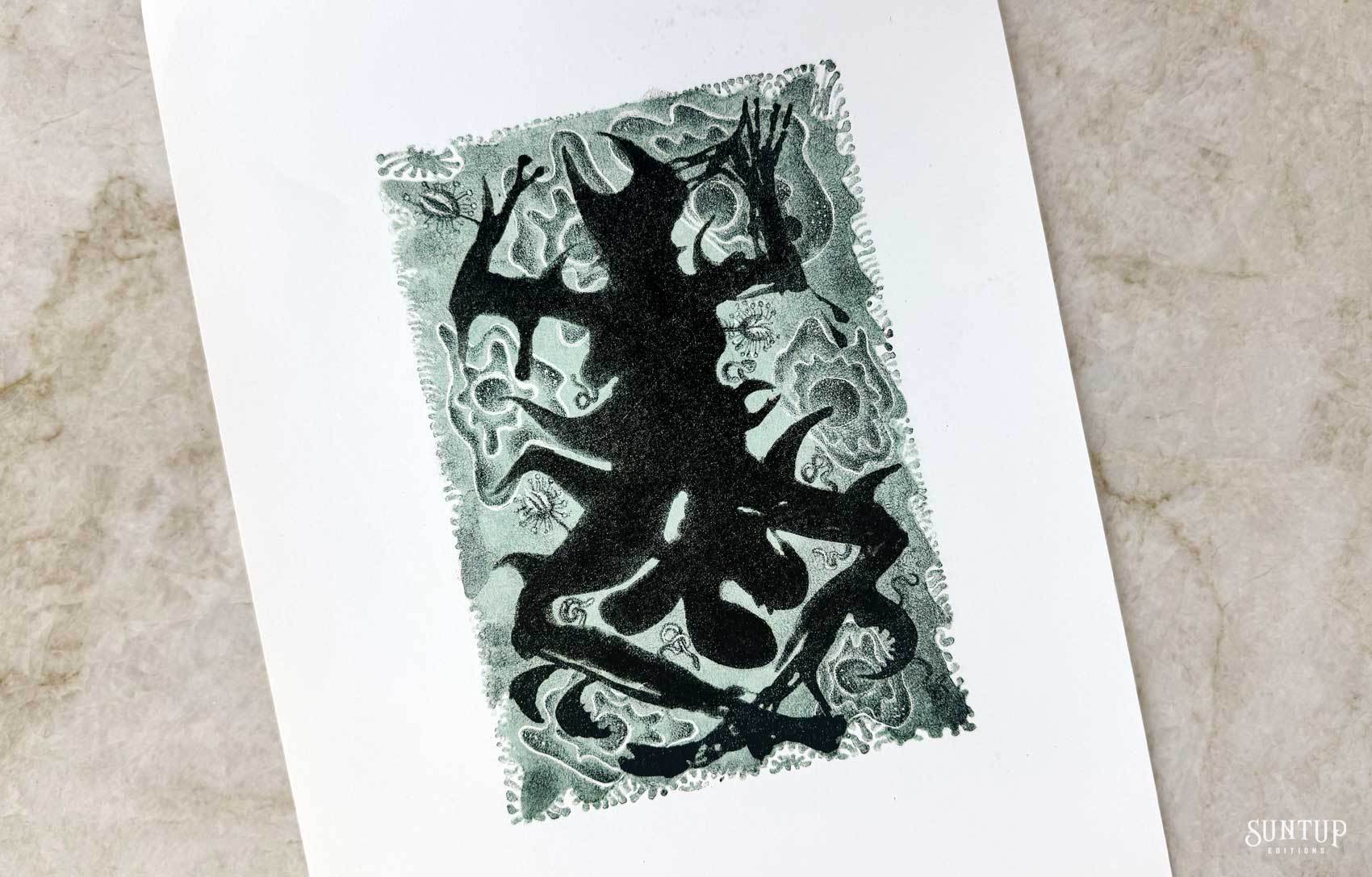
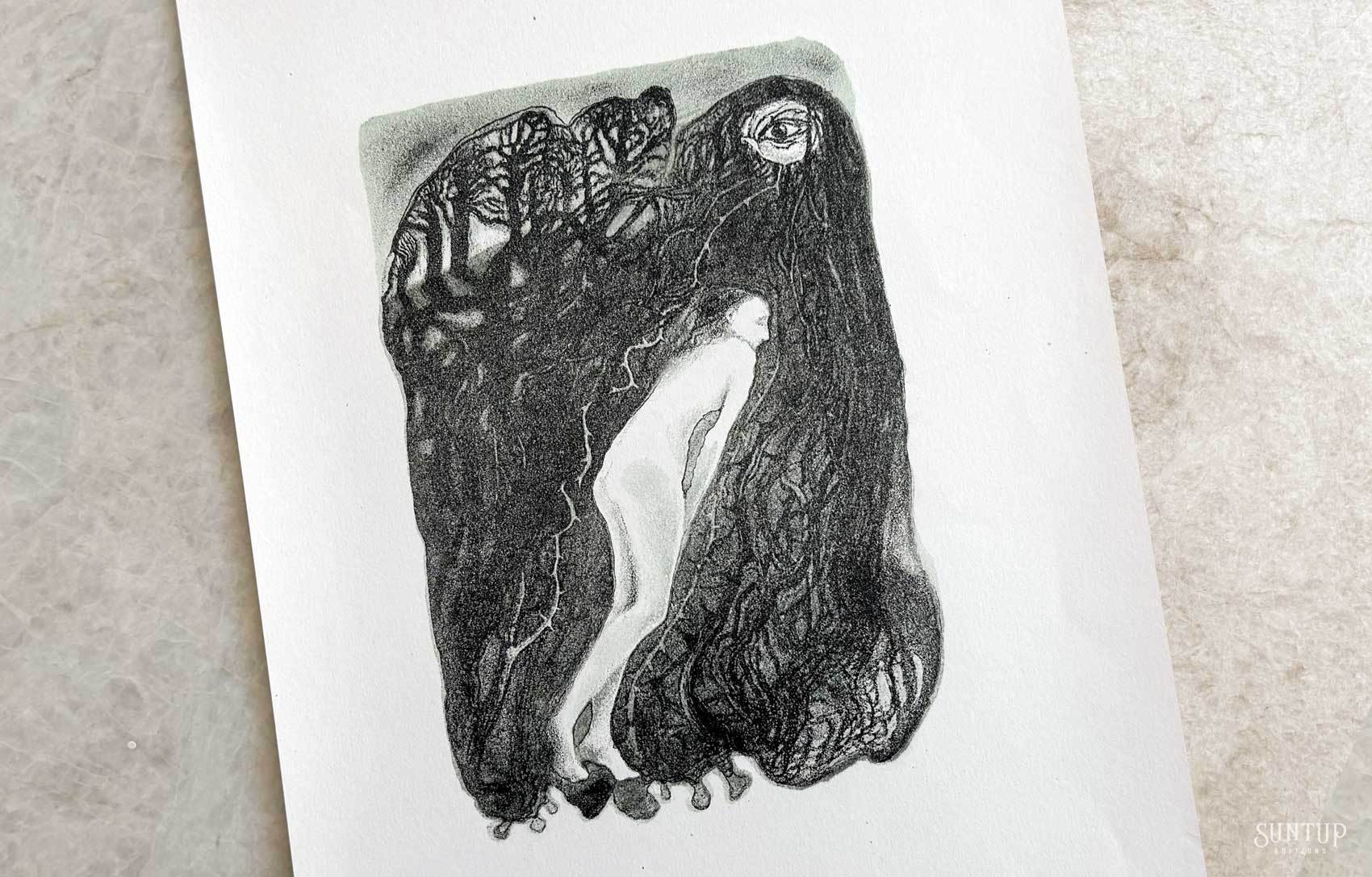
Published editions may differ slightly from mockups and prototype designs.
Illustrations © 2024 by Flora McLachlan.