
Everything is formed in childhood. It is during those early years that we draw a personal map of the world—laying out meridians, placing signposts, imagining routes. Then, one day, we build a ship and begin our journey.
As a child, I had an unyielding desire to become an archaeologist. Ancient museum collections became both a reference point and a guiding compass for my life. I wanted to be like the old Masters. Eventually, that longing led me to the fine arts, which became my true north—the warm and gentle light that continues to guide me to this day.
The artistic heritage of the Great Masters strengthened my conviction that true art is a powerful union of elevated idea and impeccable craftsmanship. This belief settled permanently into the core of my being, forming the foundation of my life’s work. I came to understand that the basis of all visual art is drawing. Graphics is the mother of everything. All things begin there.
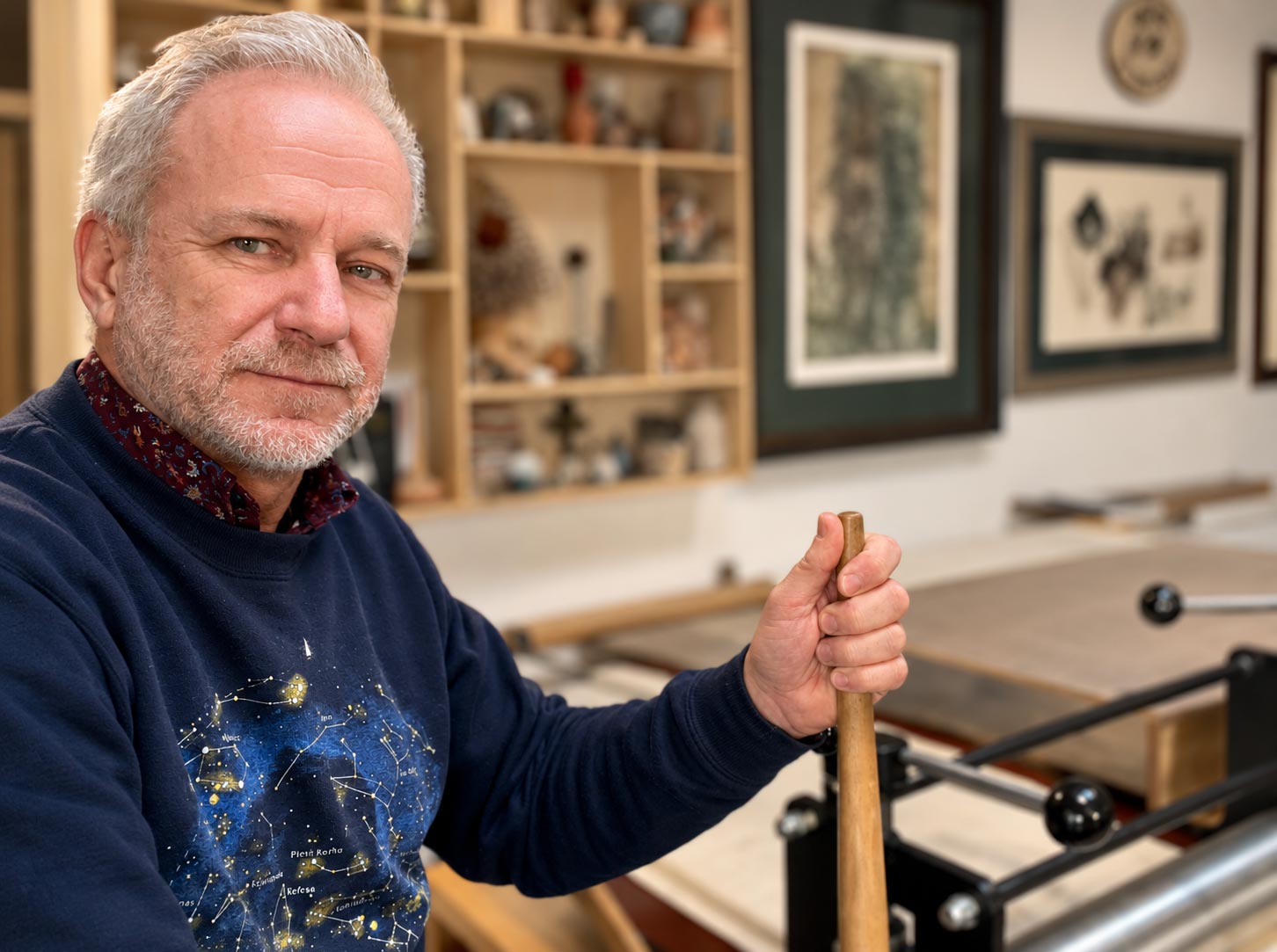
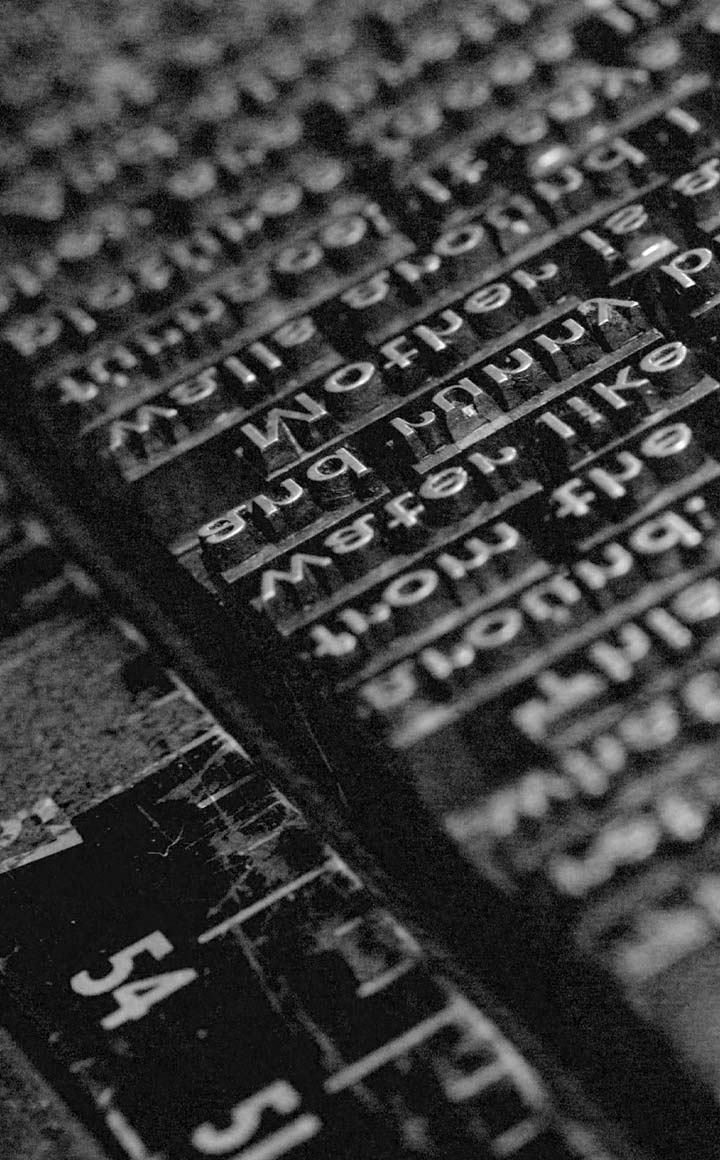
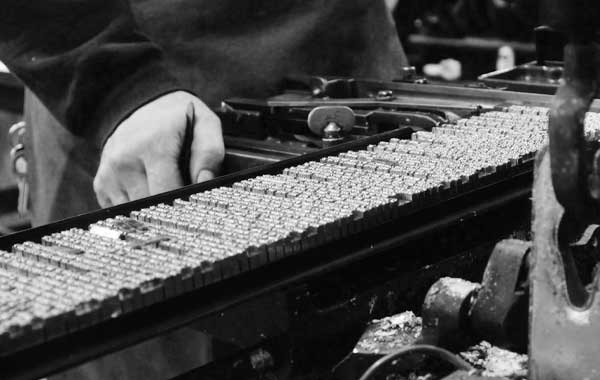
After graduating from the Ukrainian Academy of Printing with a specialization in graphics, I became deeply immersed in the art of the book. For a time, I collaborated with publishing houses, but I eventually realized that the most meaningful path was to create my own books—artist’s books. This is a remarkable and captivating world where typography and image intertwine with design and printing skill. I have been working with books for nearly thirty years.
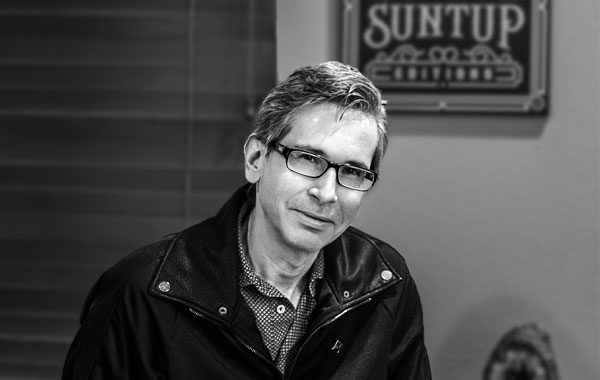
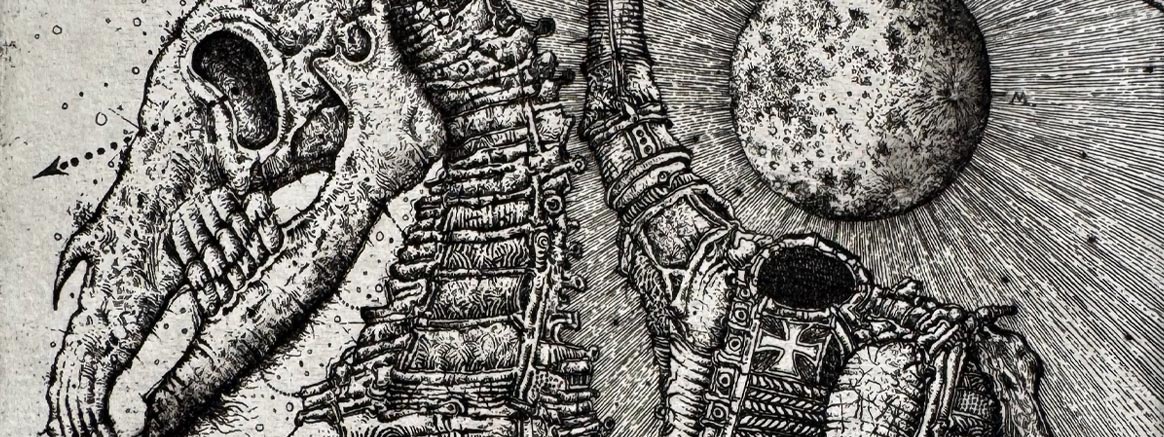
I accepted with great enthusiasm Suntup Edition’s invitation to create graphic works for Washington Irving’s The Legend of Sleepy Hollow. I immediately acquired the book and began studying it pencil in hand. As I read, I marked passages that struck me as especially vivid—those that felt expressive and rich with visual possibility. I immersed myself in the historical atmosphere of the period, studying its material culture and artistic heritage. As a numismatist, I even located coins from the era and incorporated their imagery into one of the engravings.
I began with broad ideas, defining an overall concept. My aim was to create a particular atmosphere—not to imitate the historical period directly, but to arrive at a parallel vision, an associative world. Intuition played a central role. Much of the searching happened at a subconscious level. The language of art is the language of symbols and signs, allowing for multiple meanings within a single composition. Art is a conversation with the Great Creator, uniting the earthly and the spiritual, instinct and reason. It is, in a sense, an artist’s confession—one that must remain partly private. What matters most to me is hearing how viewers interpret the work themselves. Let each person create their own unique and unrepeatable story.
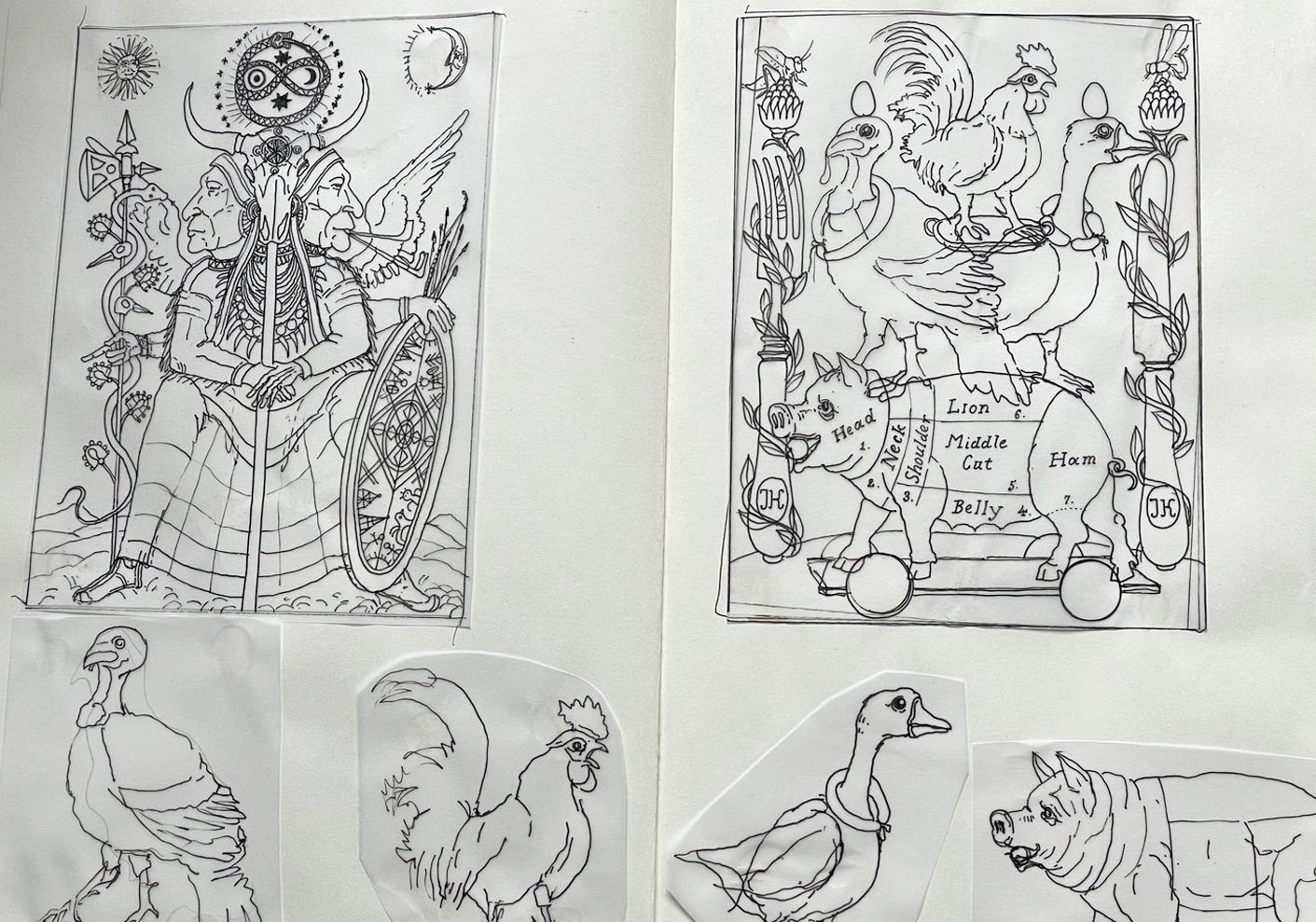
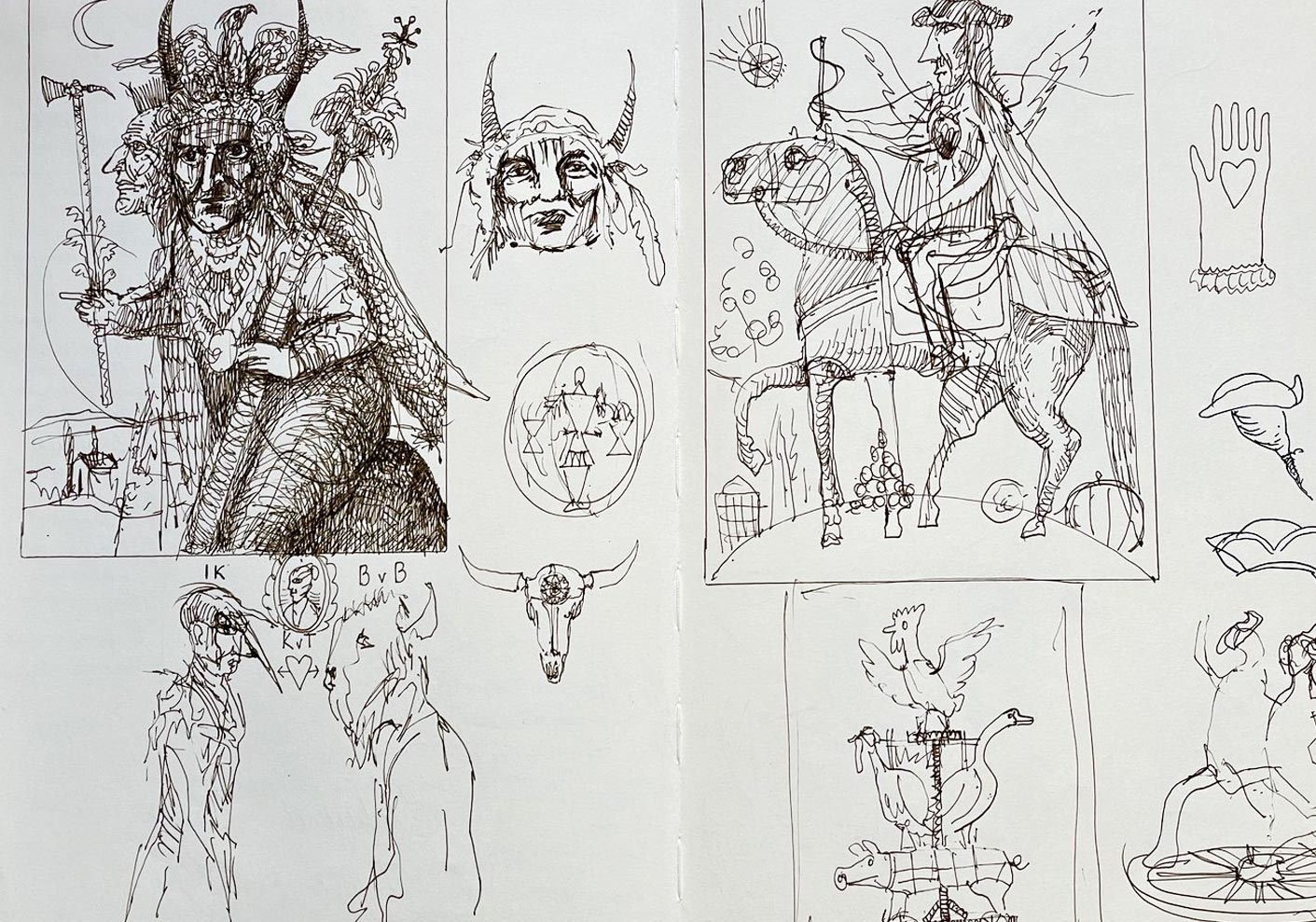
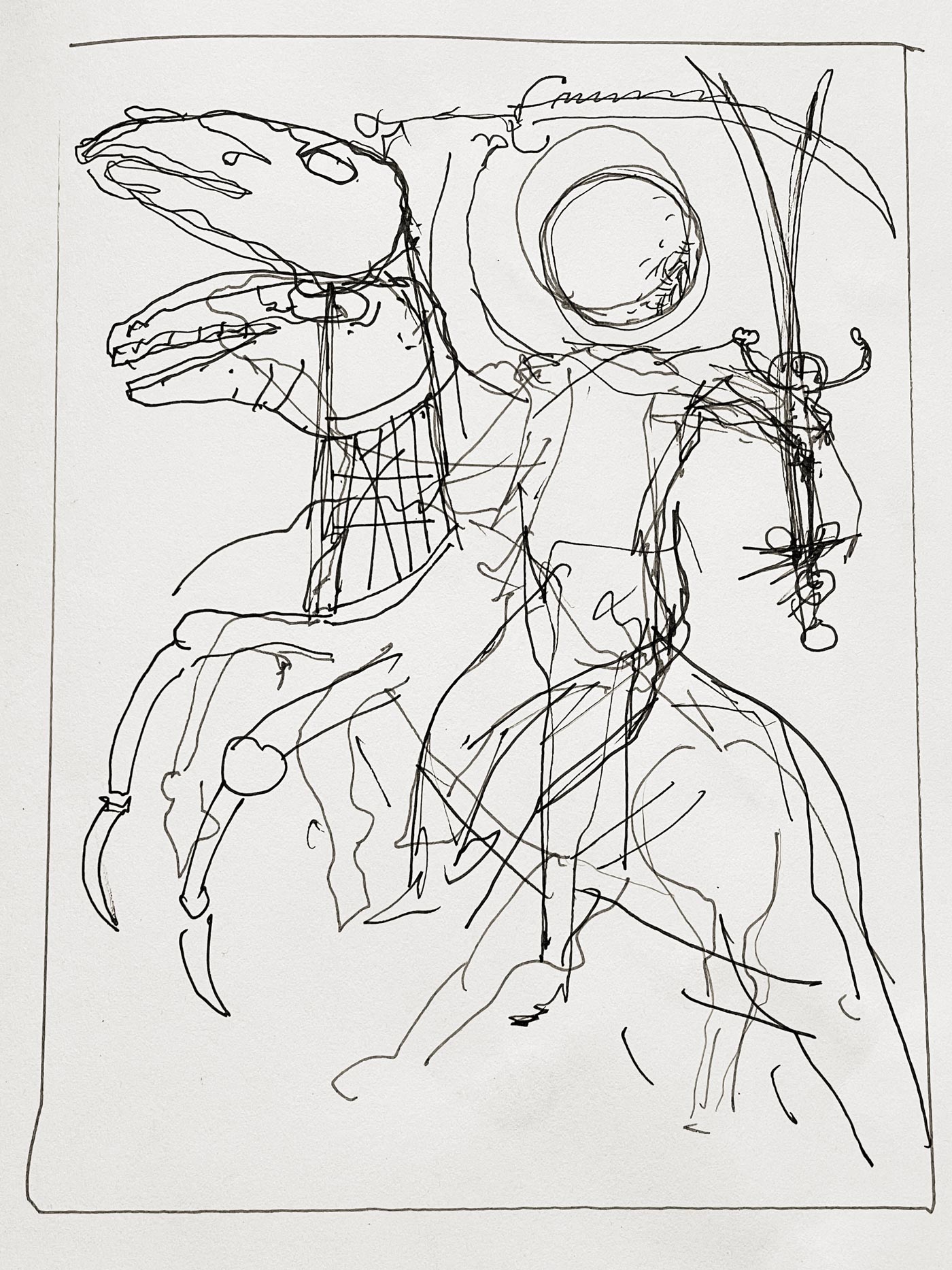
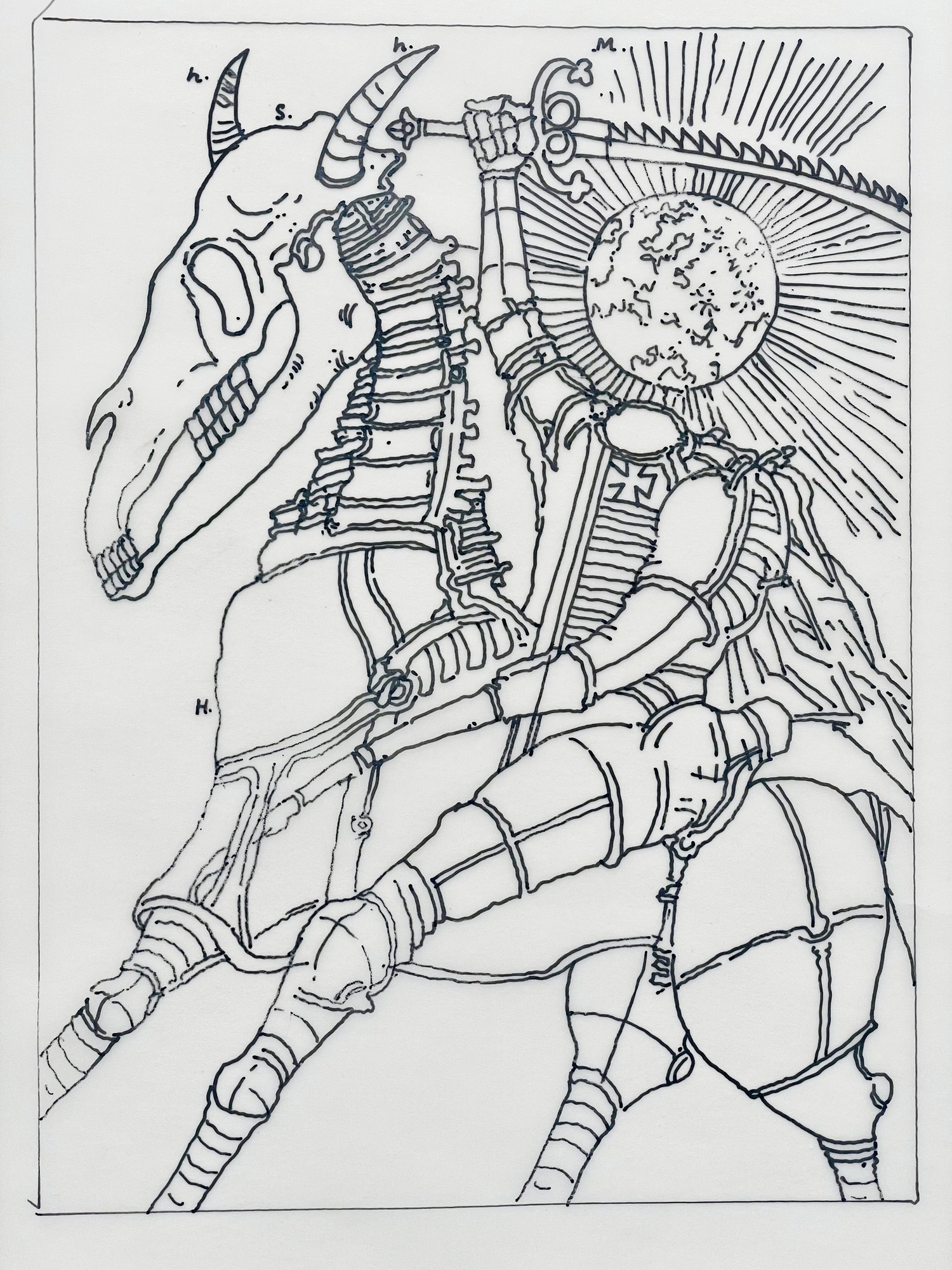
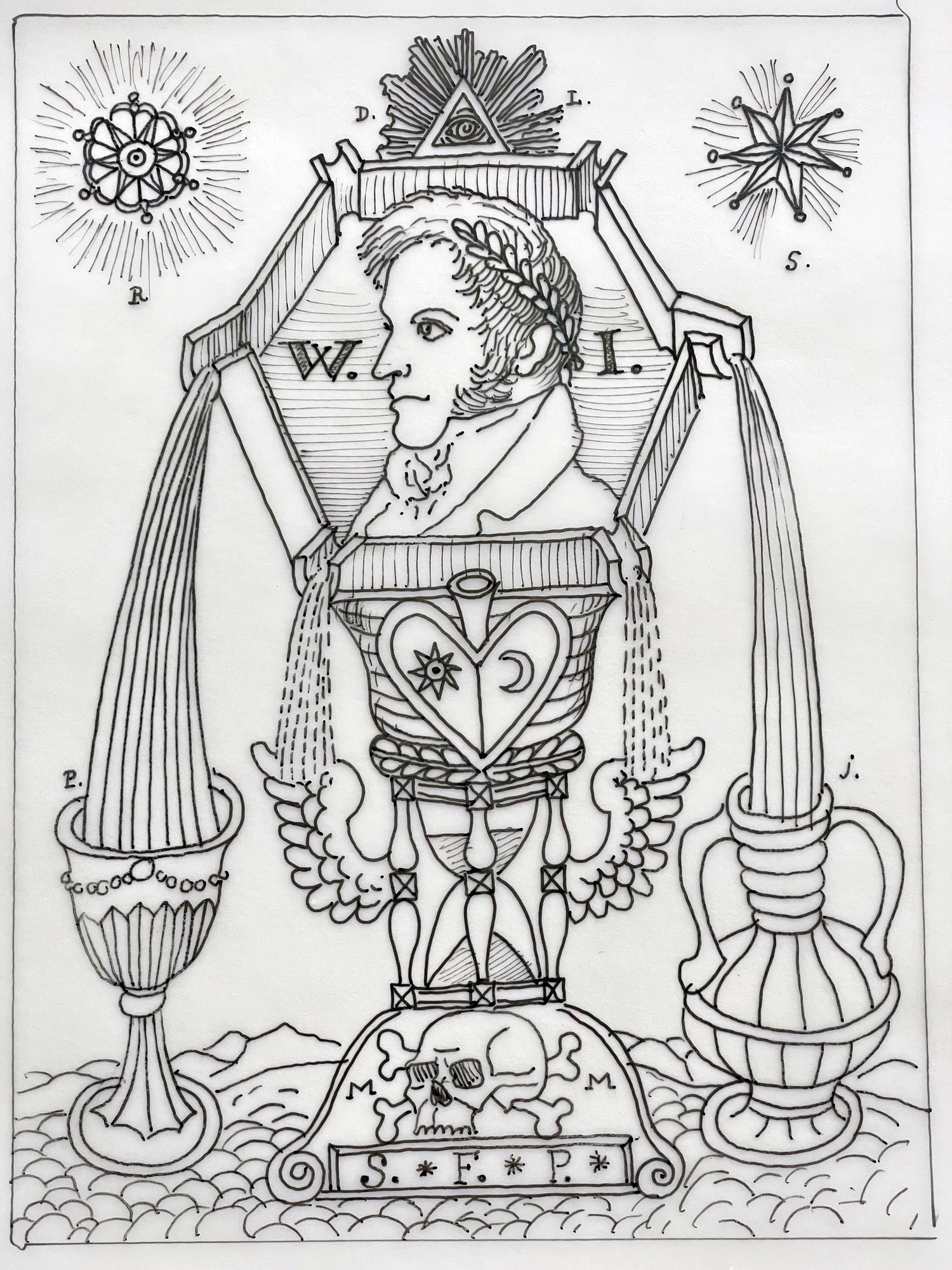
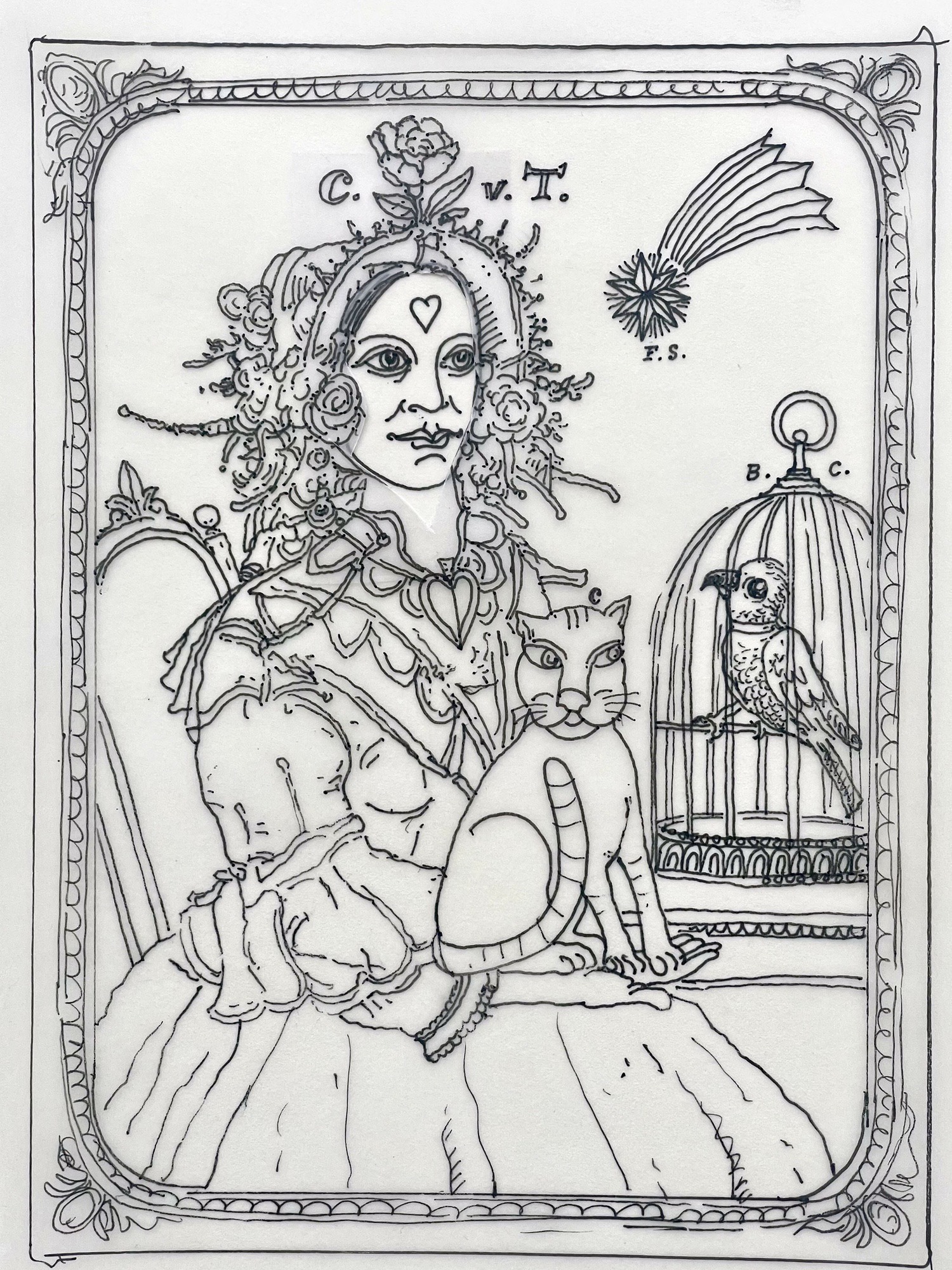
At the center of every composition stands the human figure—with its emotions, passions, and tragedies. I found it deeply moving to take specific narrative moments as a structural framework and then search for interpretations that preserved that structure while enriching it with additional elements, never destroying the architecture of the story, only complementing it.
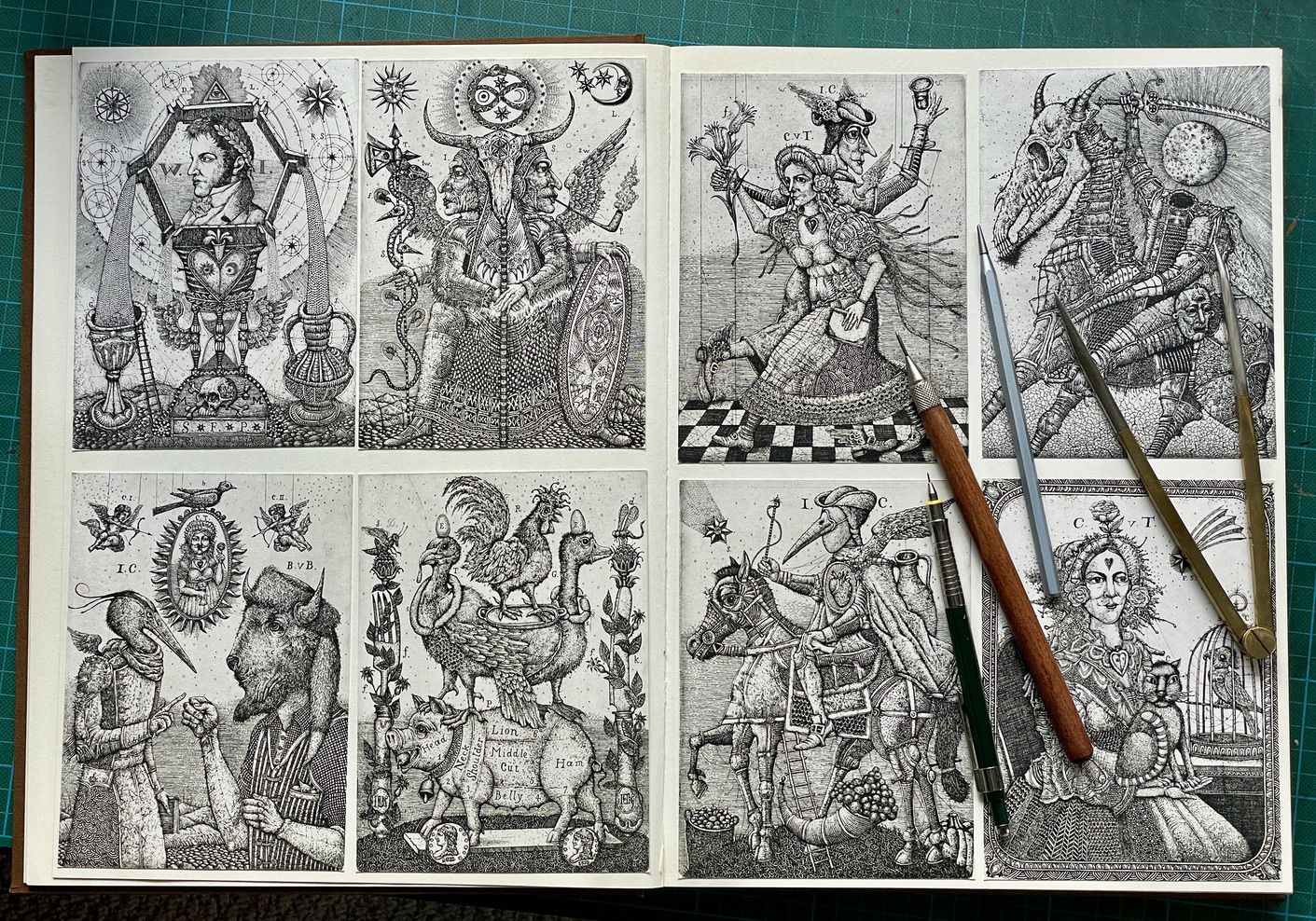
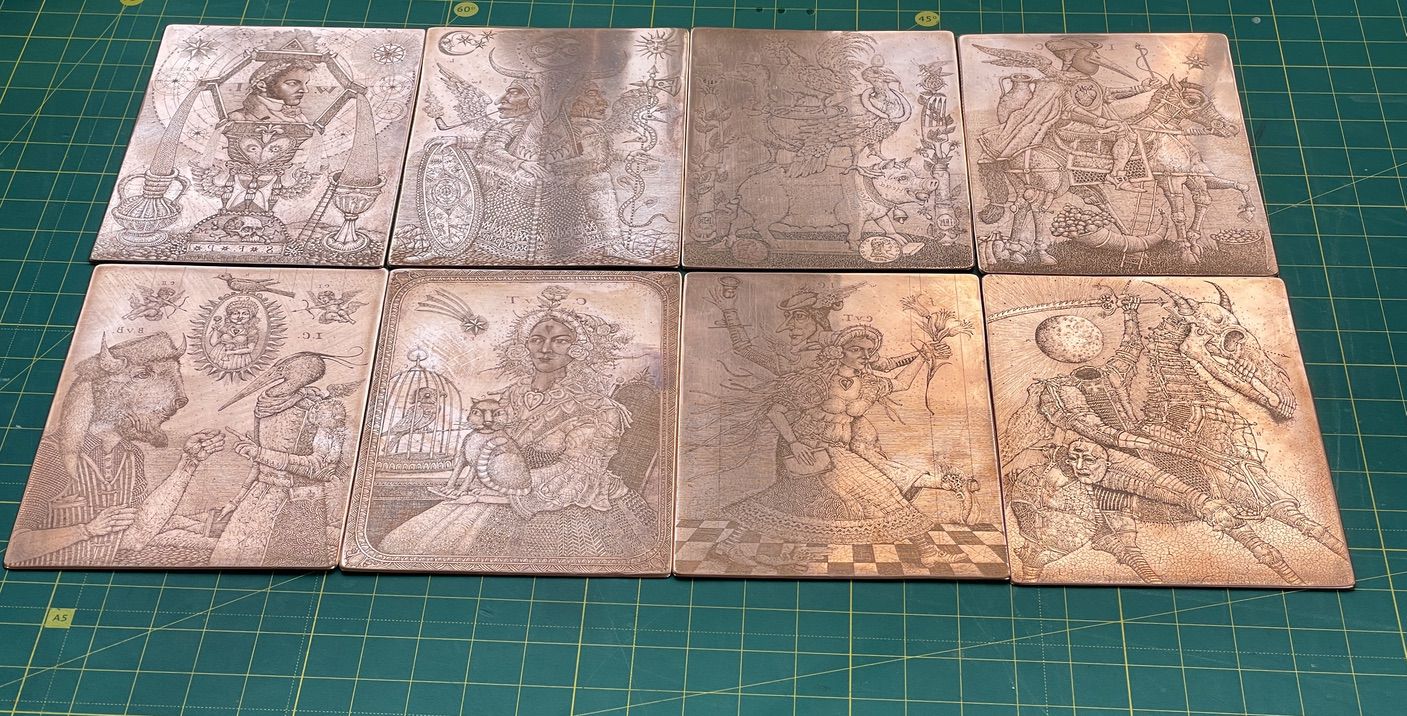
The entire process took about a year, with short pauses along the way. I first created all the preparatory sketches, refining each composition until it reached its final form. I then prepared the copper plates, polishing them to a mirror finish. A black, acid-resistant bituminous varnish was applied, after which I transferred the drawing using tracing paper rubbed with graphite. With engraving needles, I removed the varnish to expose the metal beneath.
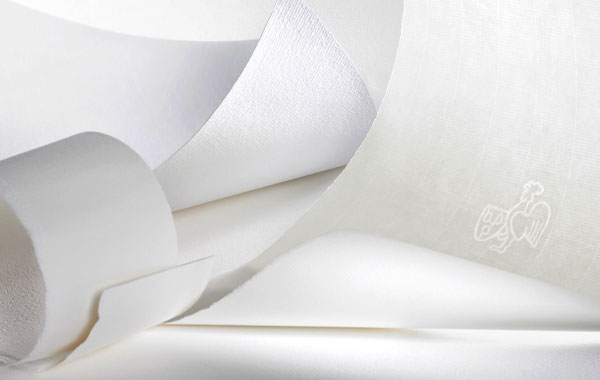
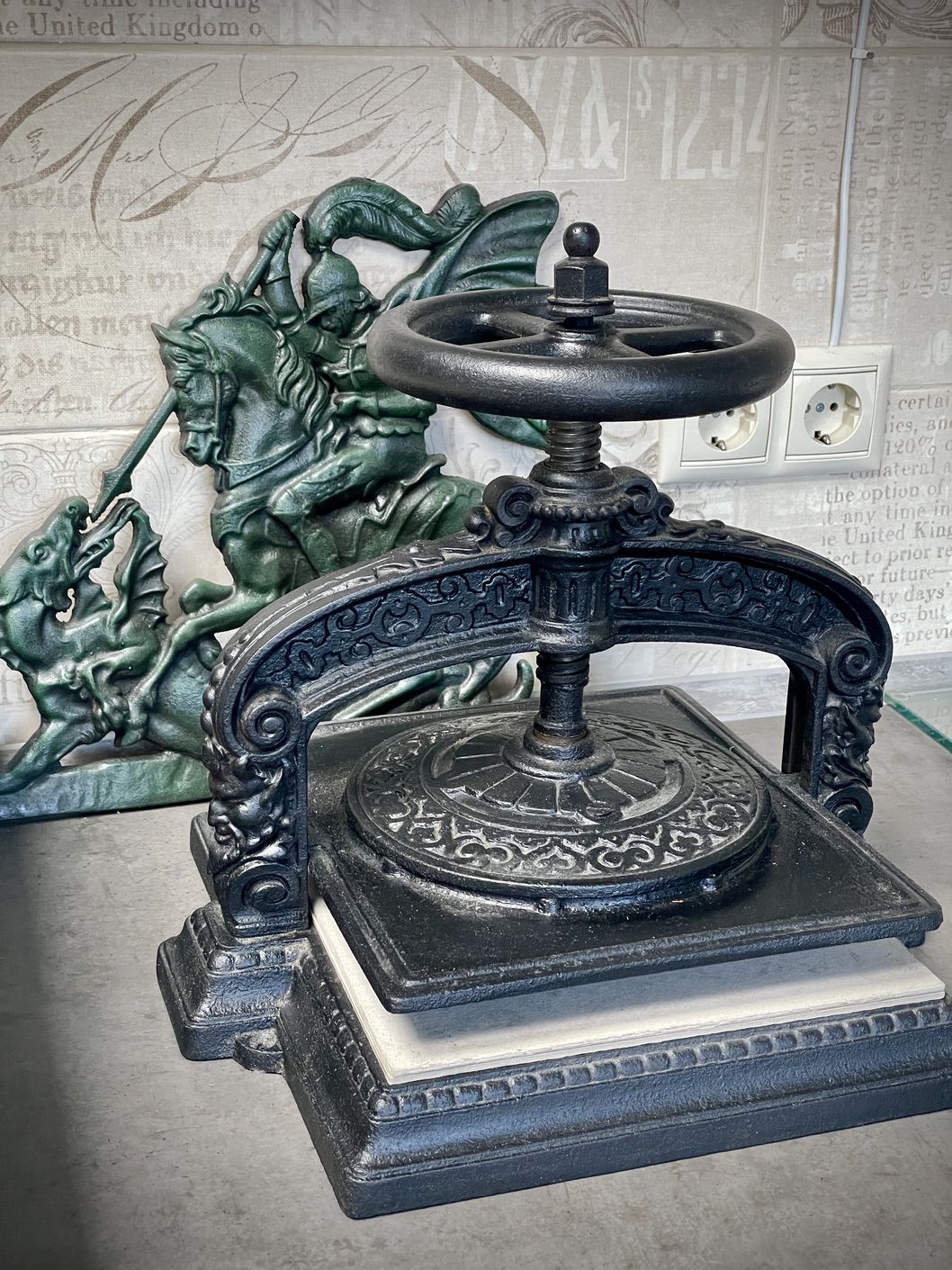
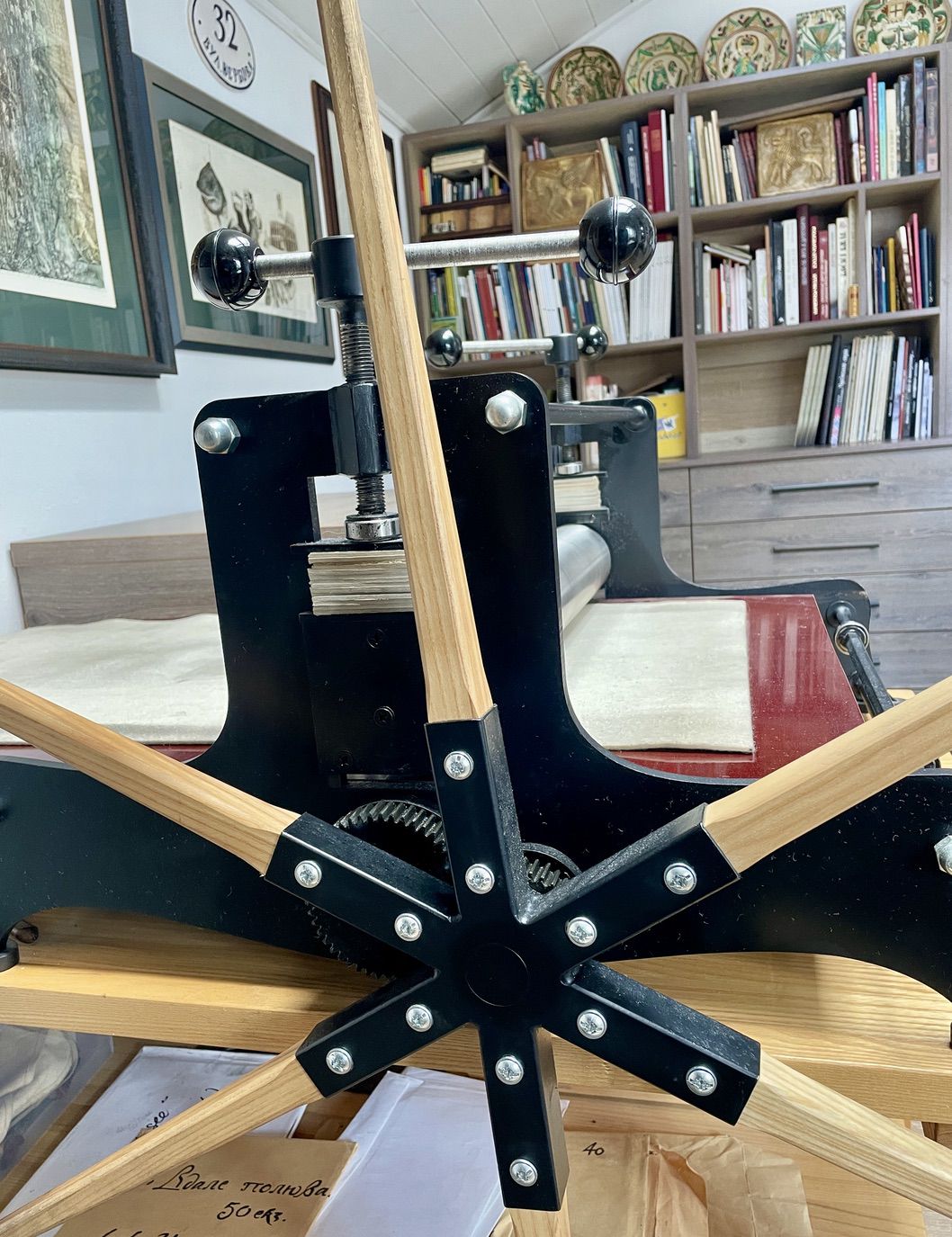
The plate was then etched in stages using a ferric chloride solution. The longer the plate remained in the solution, the deeper and more expressive the line became. Once etching was complete, the varnish was removed, leaving only the engraved image. Printing could then begin. Ink was worked into the incised lines, excess ink wiped away, dampened paper laid over the plate, and everything run through an etching press under felt blankets. After printing, each sheet was carefully dried and signed.
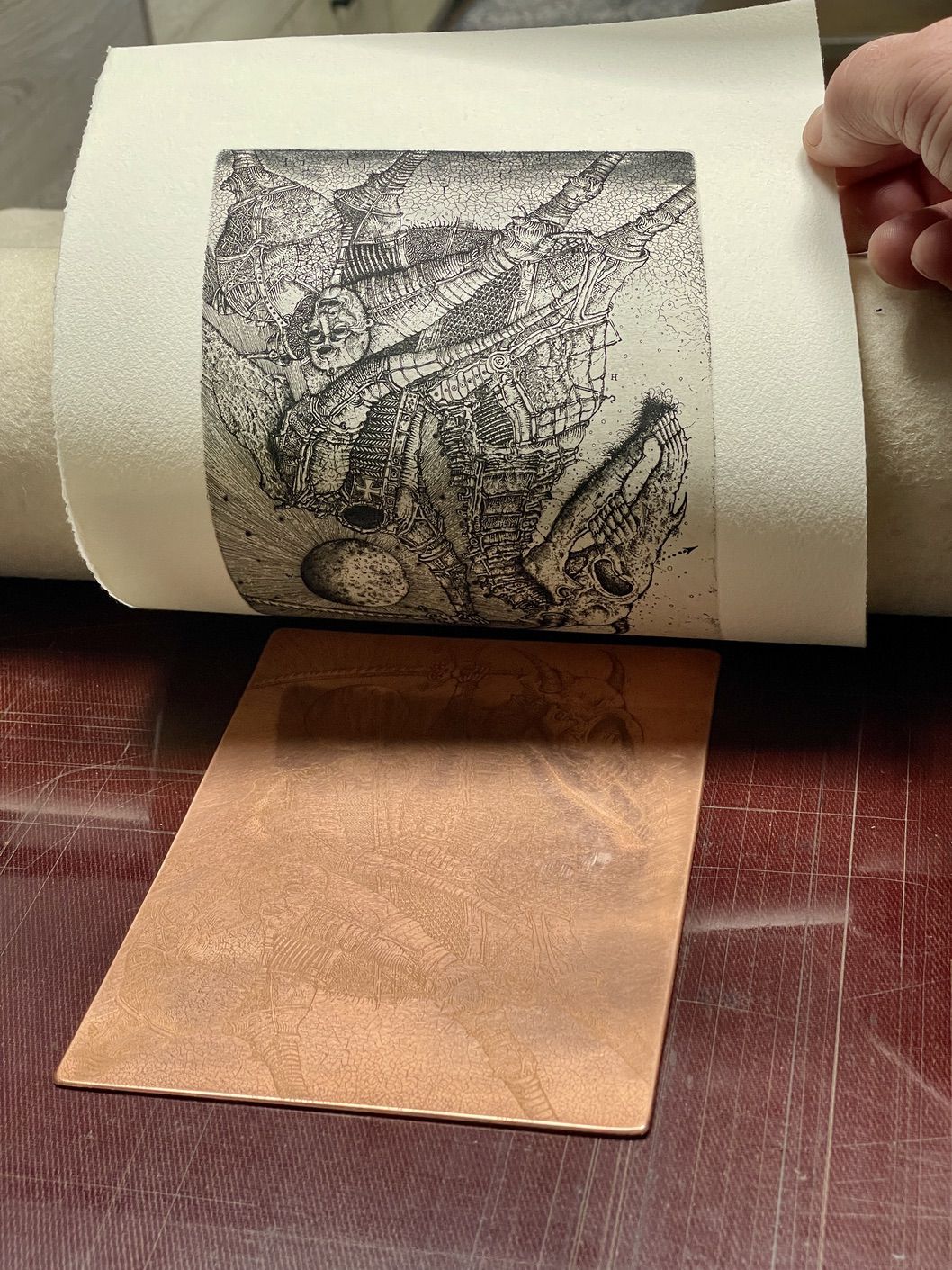
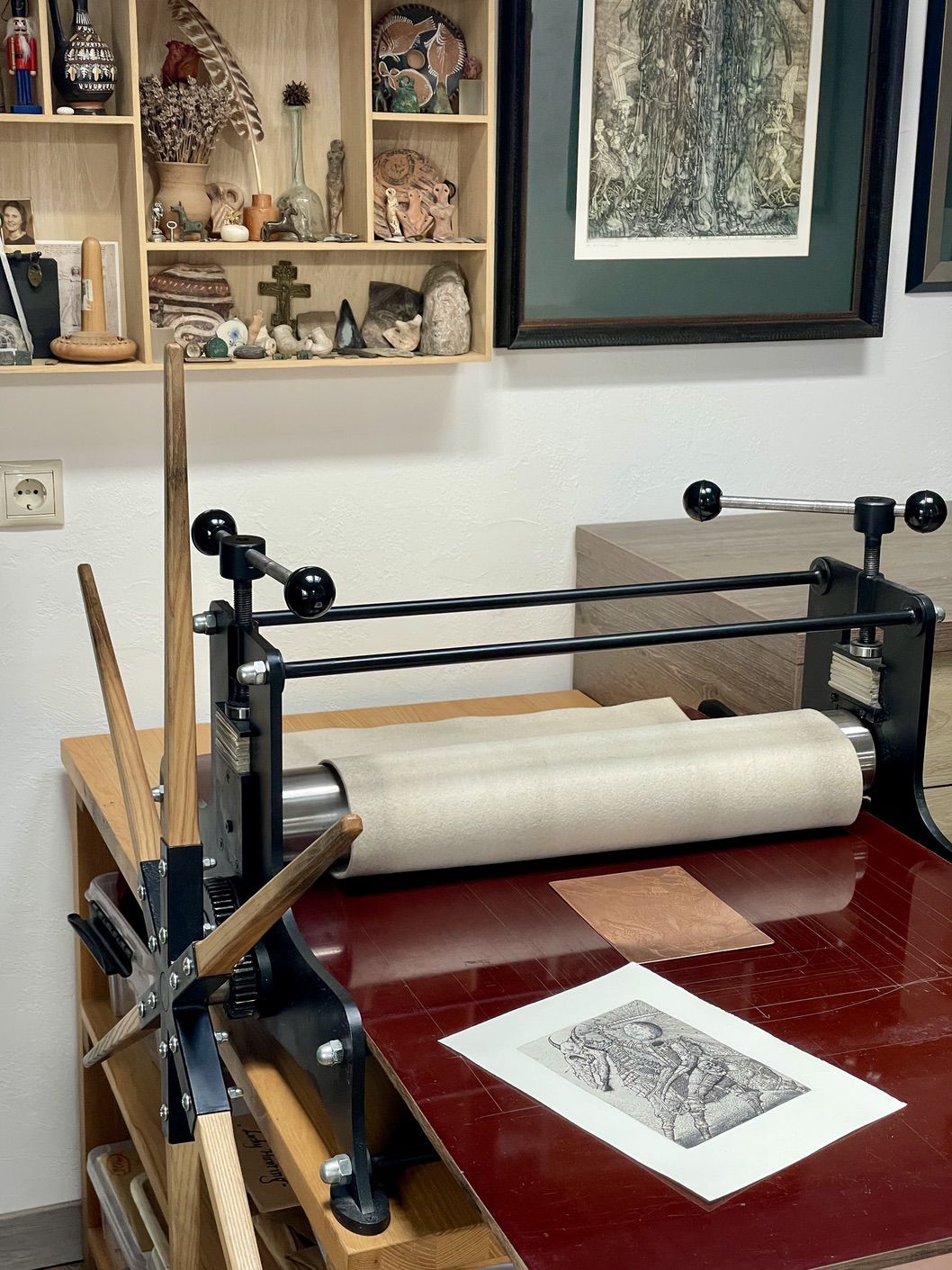
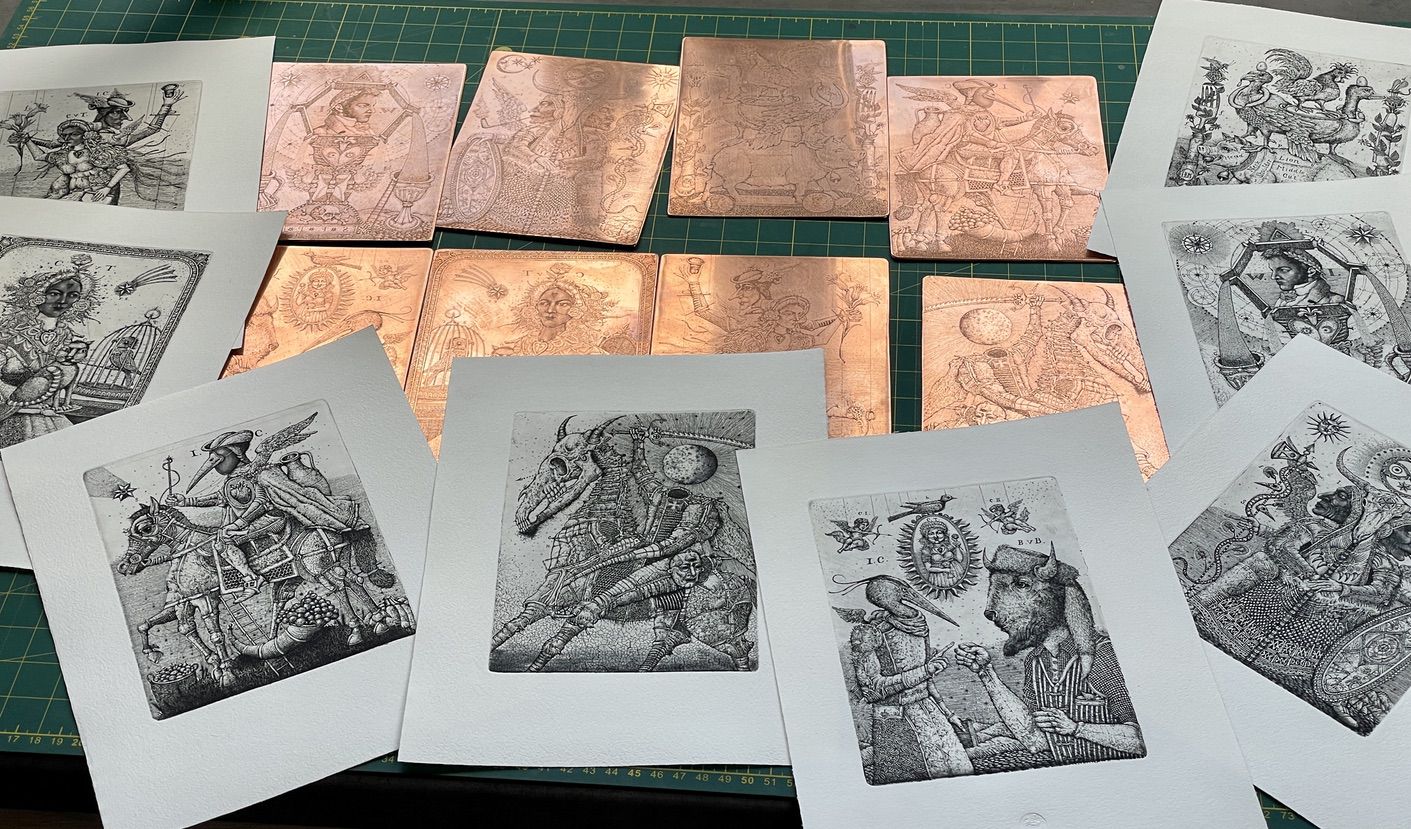
If necessary, the plate could be further refined using dry techniques. In my case, I supplemented the etched lines with drypoint and roulette work.
And that was it. The series was complete. At that point, it was time to step back, view the work as a whole, and reflect.
I invite you to do the same.
— Oleh Denysenko