


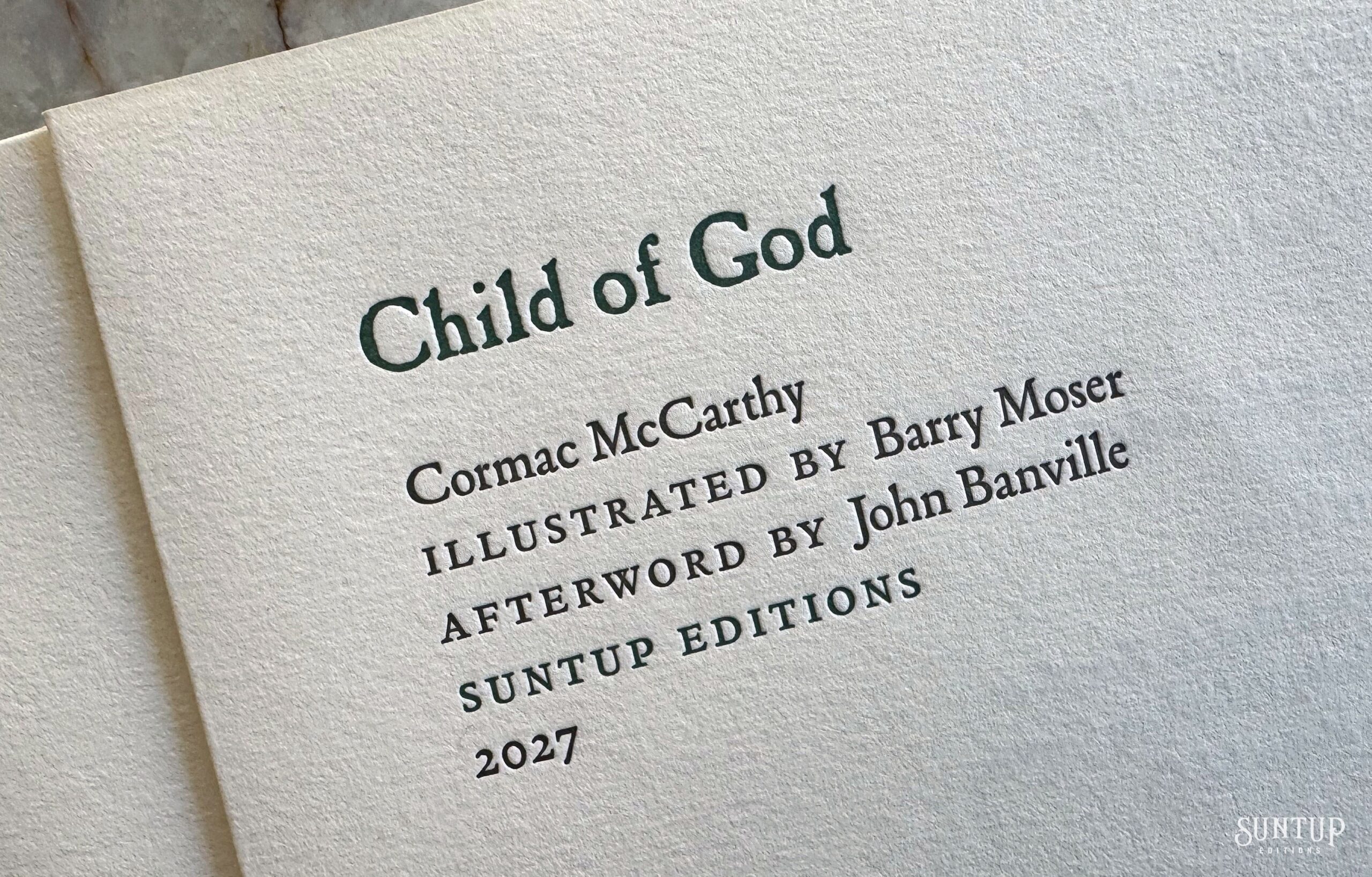
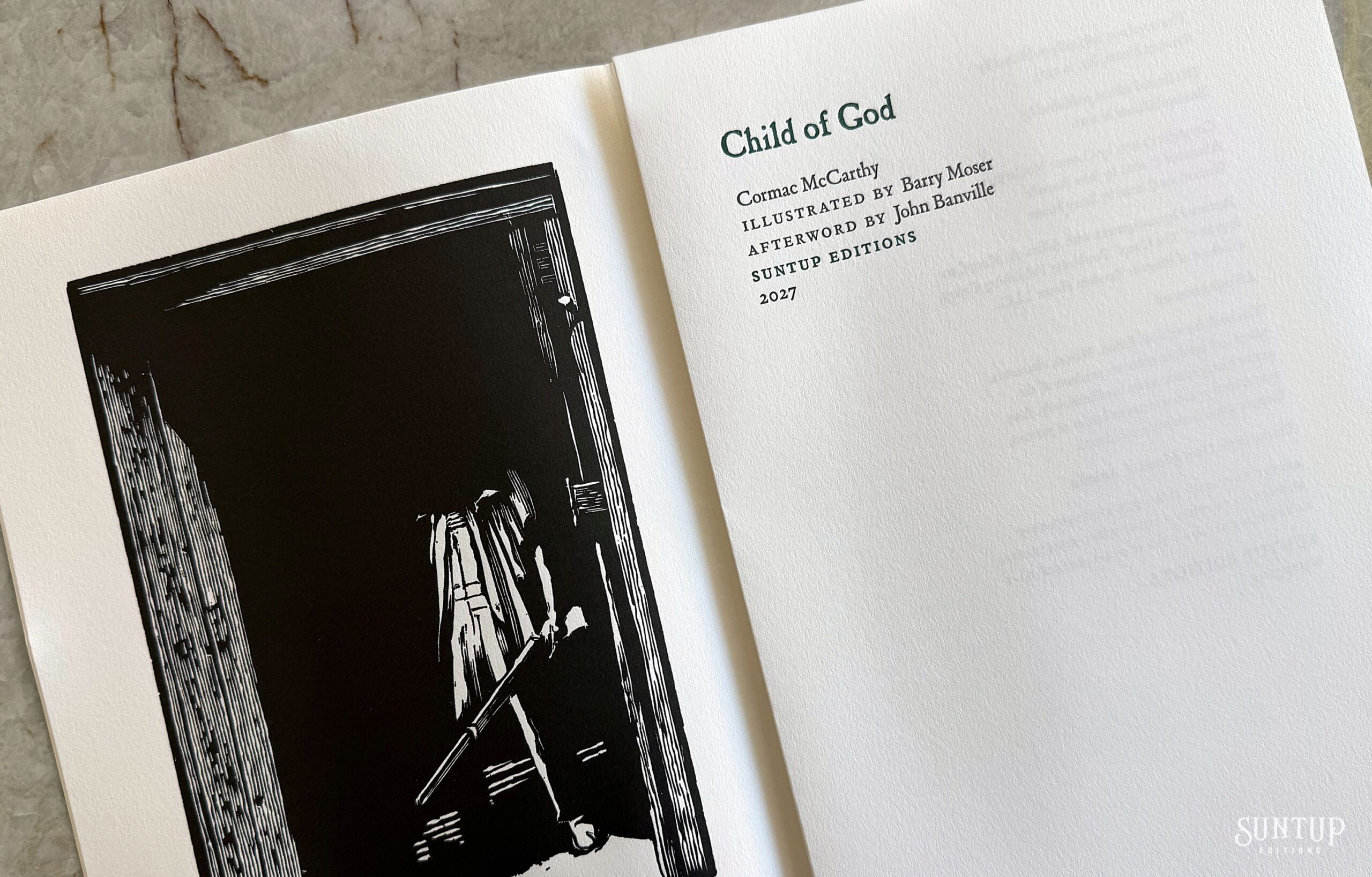
Child of God Cormac McCarthy
Illustrated by Barry Moser
Afterword by John Banville
A harrowing descent into isolation, violence and the darkest reaches of human nature, Child of God is one of Cormac McCarthy’s most inimitably disturbing works, and an early expression of the uncompromising vision that would come to define one of America’s greatest writers.
Set in the hill country of East Tennessee, the novel follows Lester Ballard, a dispossessed and solitary man living at the edges of society. After losing his home, Ballard retreats deeper into the wilderness and further from the community that has rejected him, taking refuge first in an abandoned cabin and eventually in a network of mountain caves.
As his isolation grows, so does his capacity for violence, and what begins as the story of an outcast becomes something far more brutal. Yet McCarthy refuses to render Ballard as simply monstrous. Described as “a child of God much like yourself perhaps,” he remains recognizably human even as his actions become increasingly horrific, forcing the reader to confront the razor’s edge upon which civilization and savagery meet.
First published by Random House in 1973, Child of God was McCarthy’s third novel, following The Orchard Keeper and Outer Dark, and continued his exploration of the Appalachian South that would characterize his early work. Publishers Weekly praised the novel’s tightly controlled approach, writing, “Cormac McCarthy’s much-admired prose is suspenseful, rich with detail, and yet restrained, even delicate, in its images of Lester’s activities. So tightly focused is the story on this one ‘child of God’ that it resembles a myth, or parable.”
Horrifying and darkly beautiful, Child of God is Cormac McCarthy’s chilling examination of what is left of a human being when society, morality and every familiar boundary have fallen away.
About The Edition
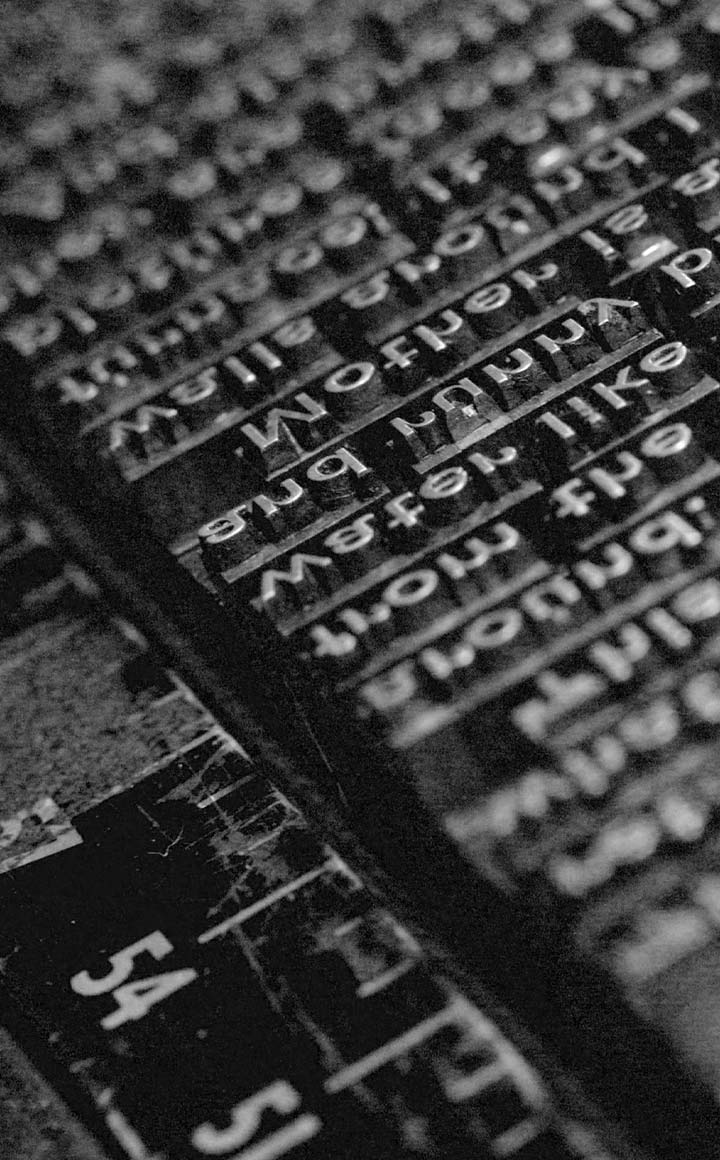
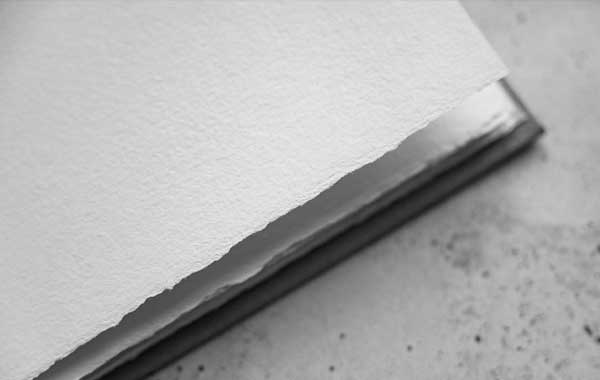
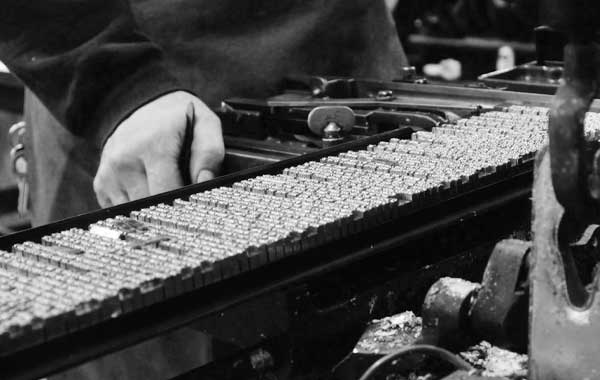
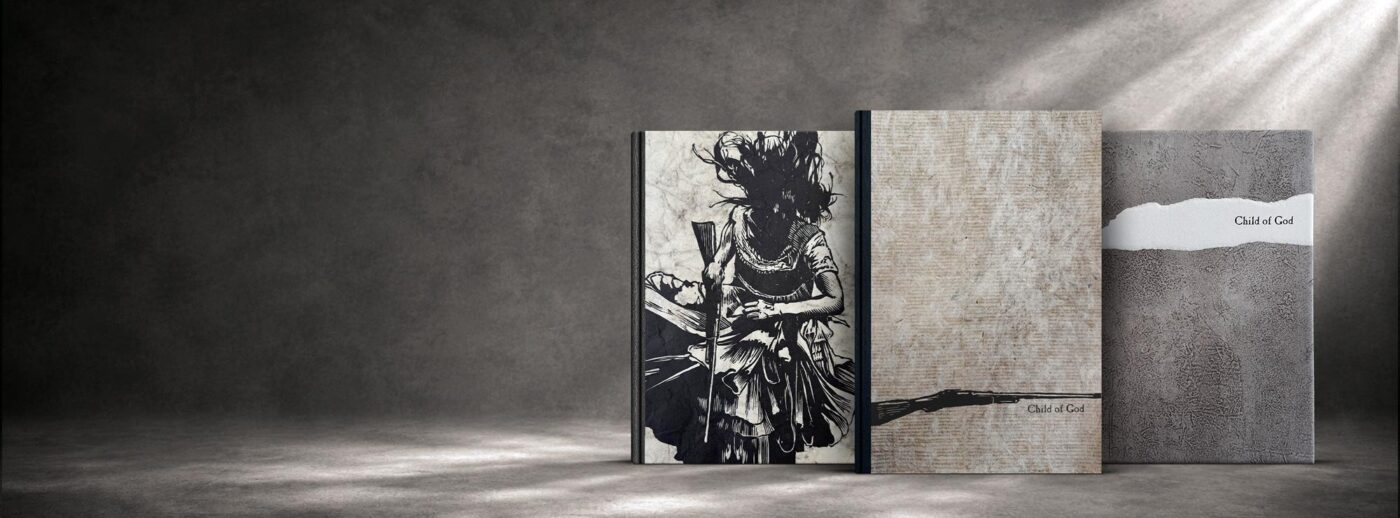
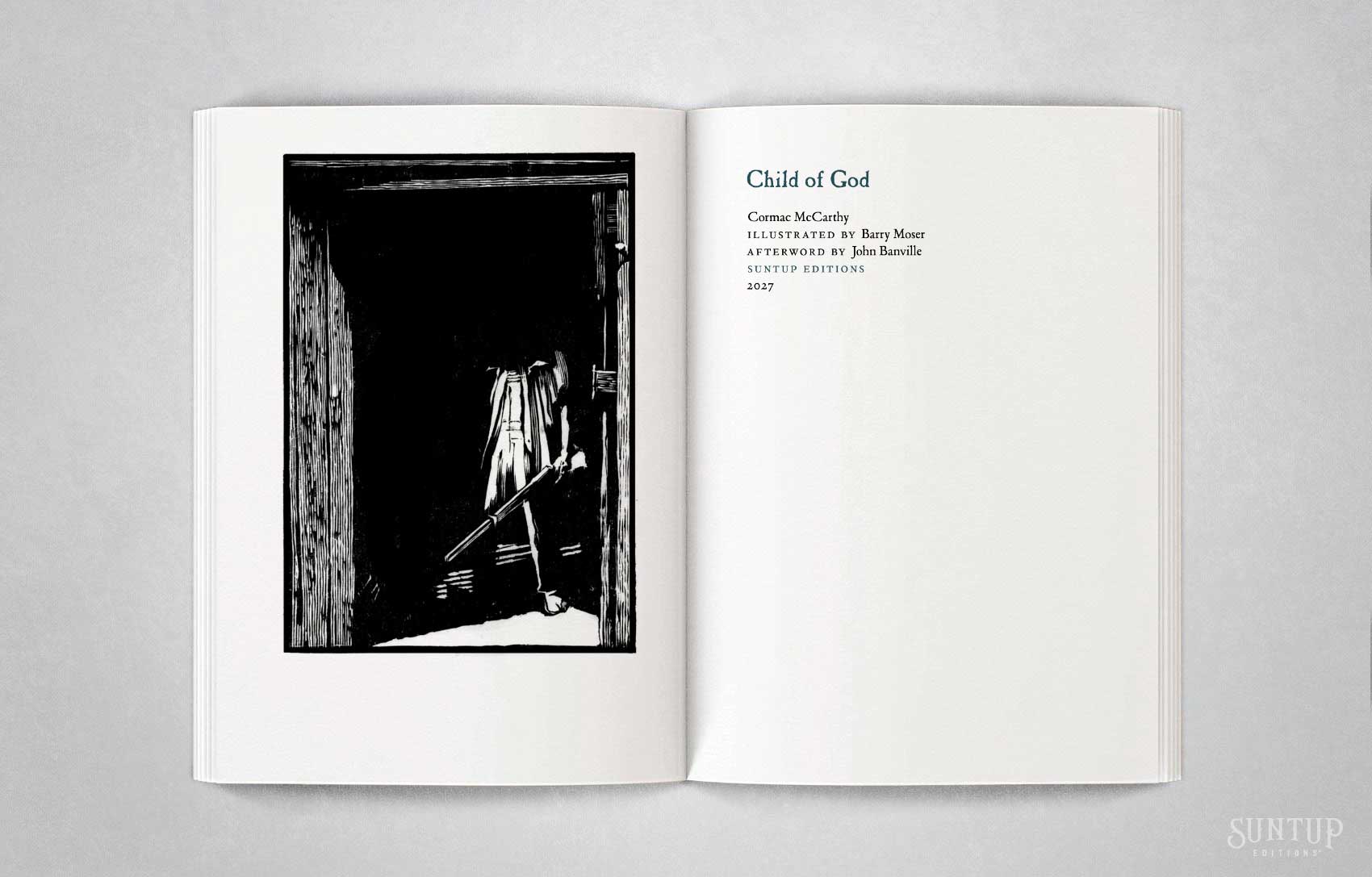
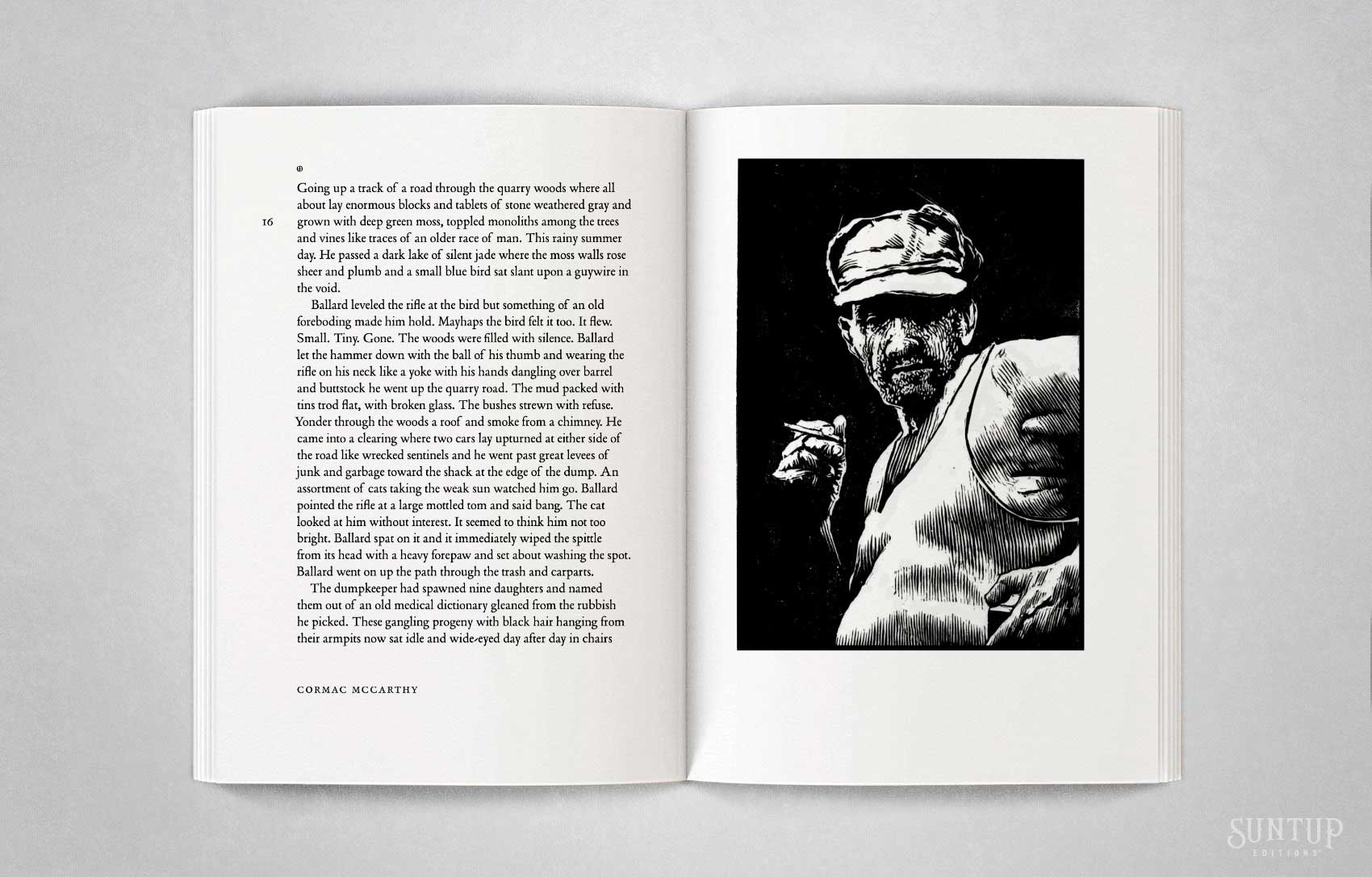
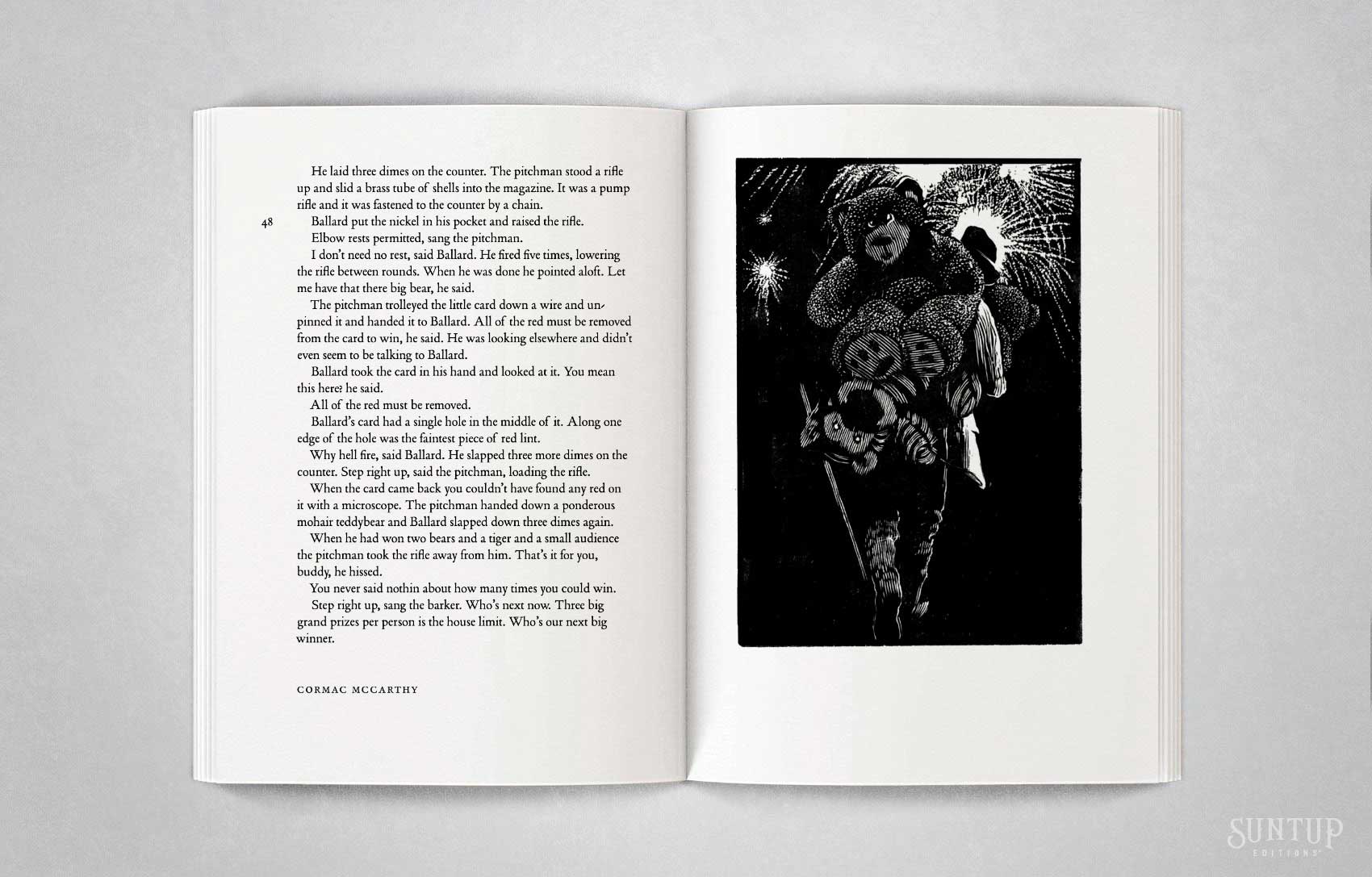
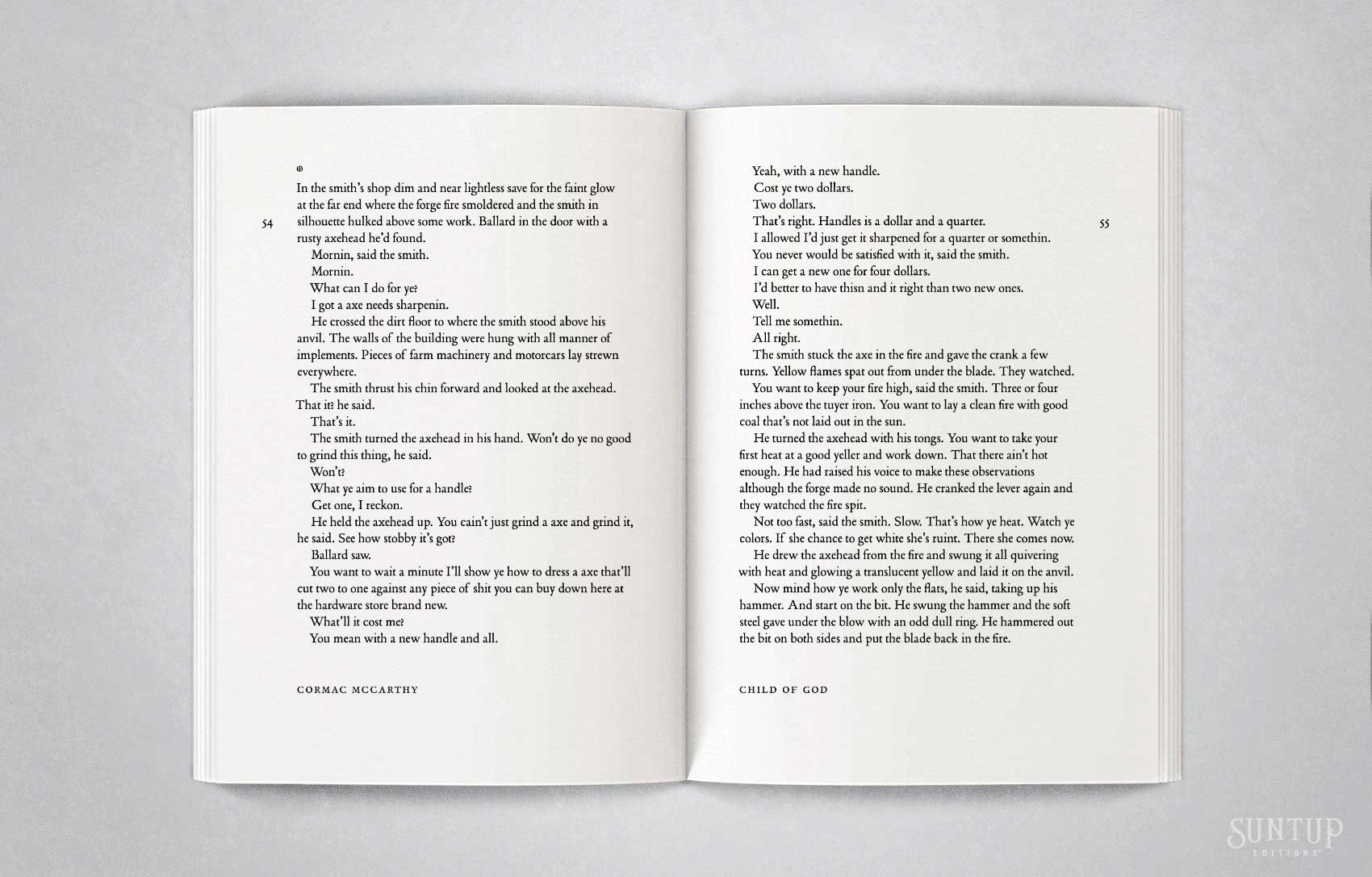
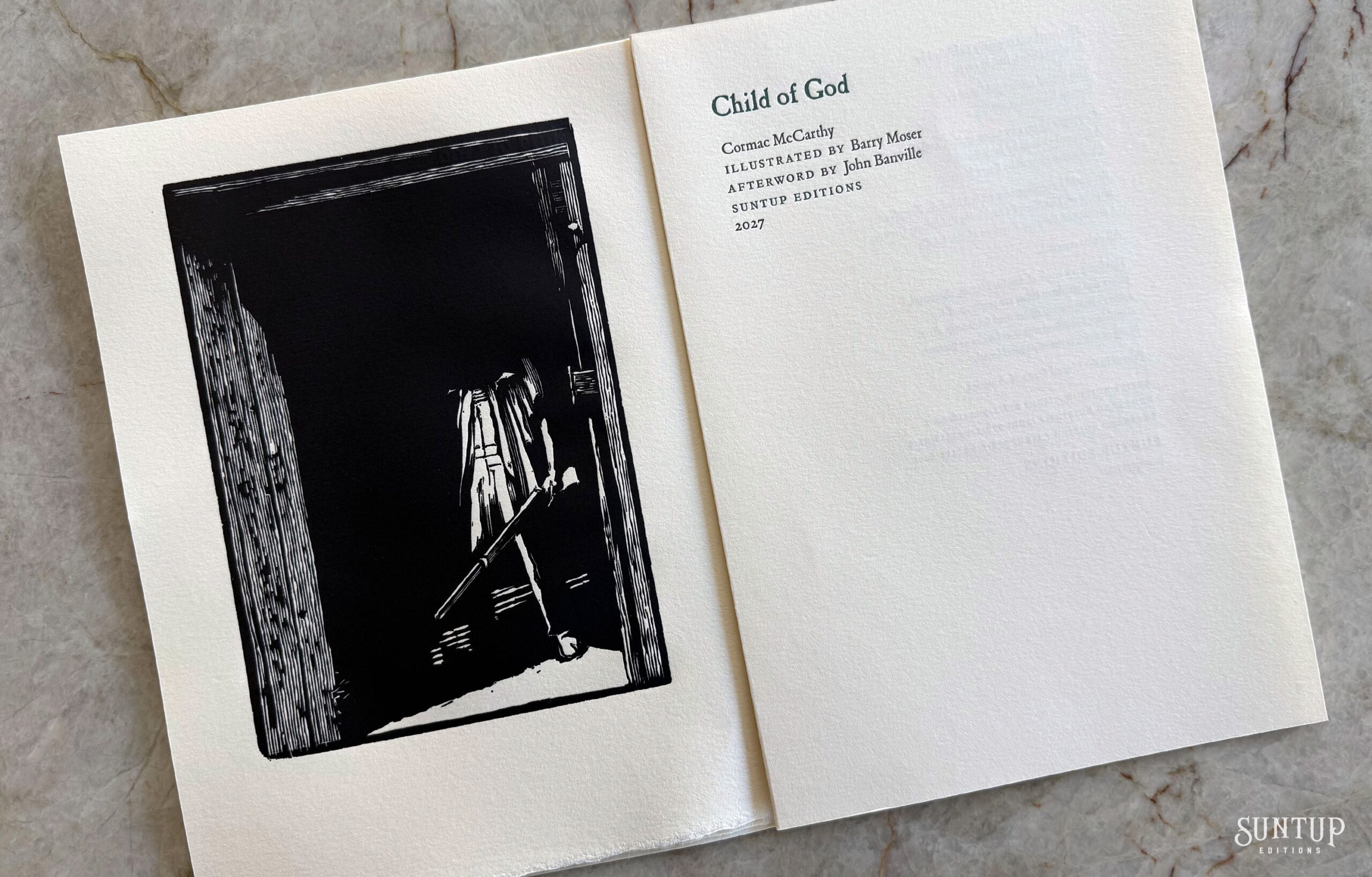
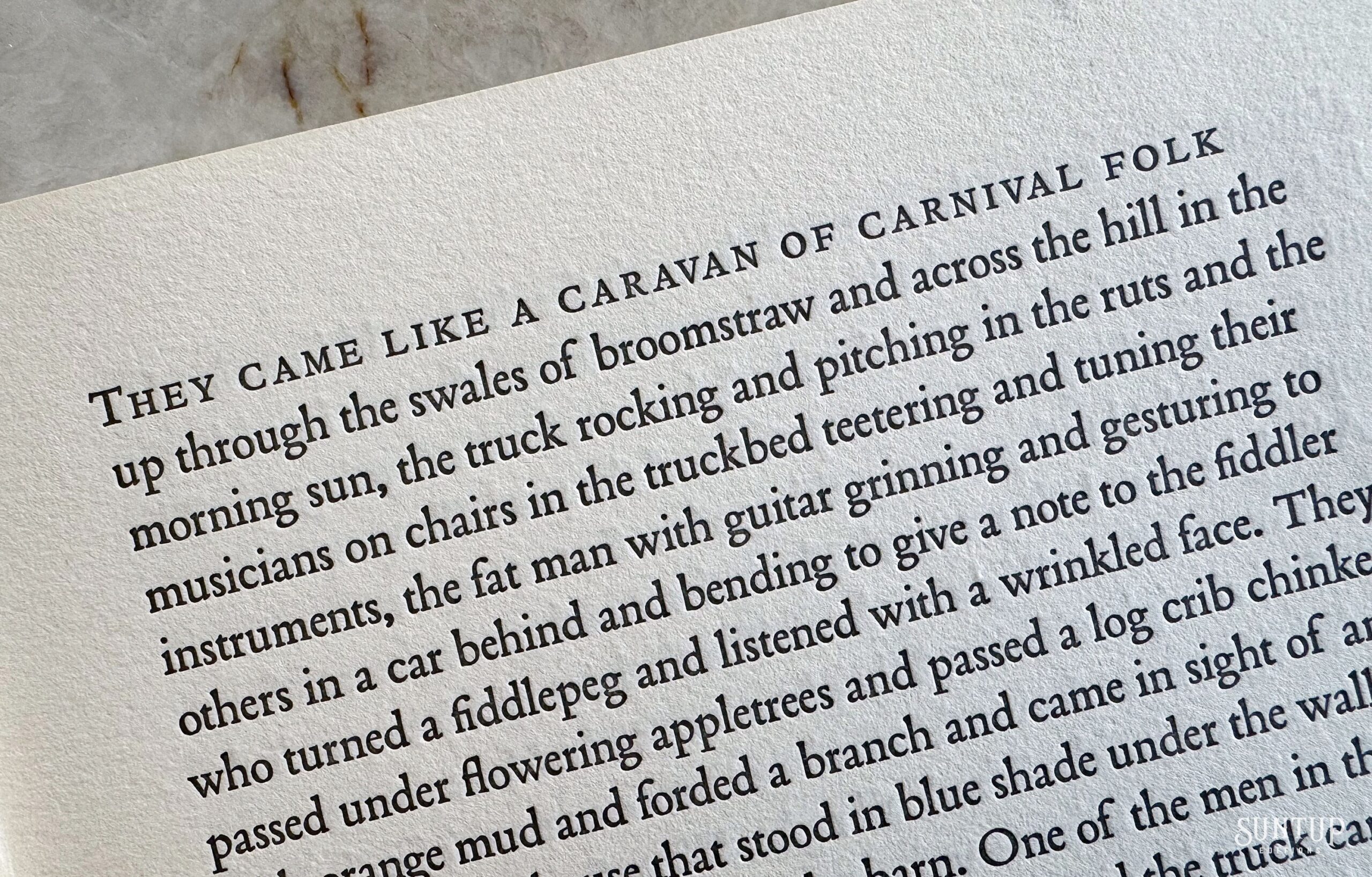
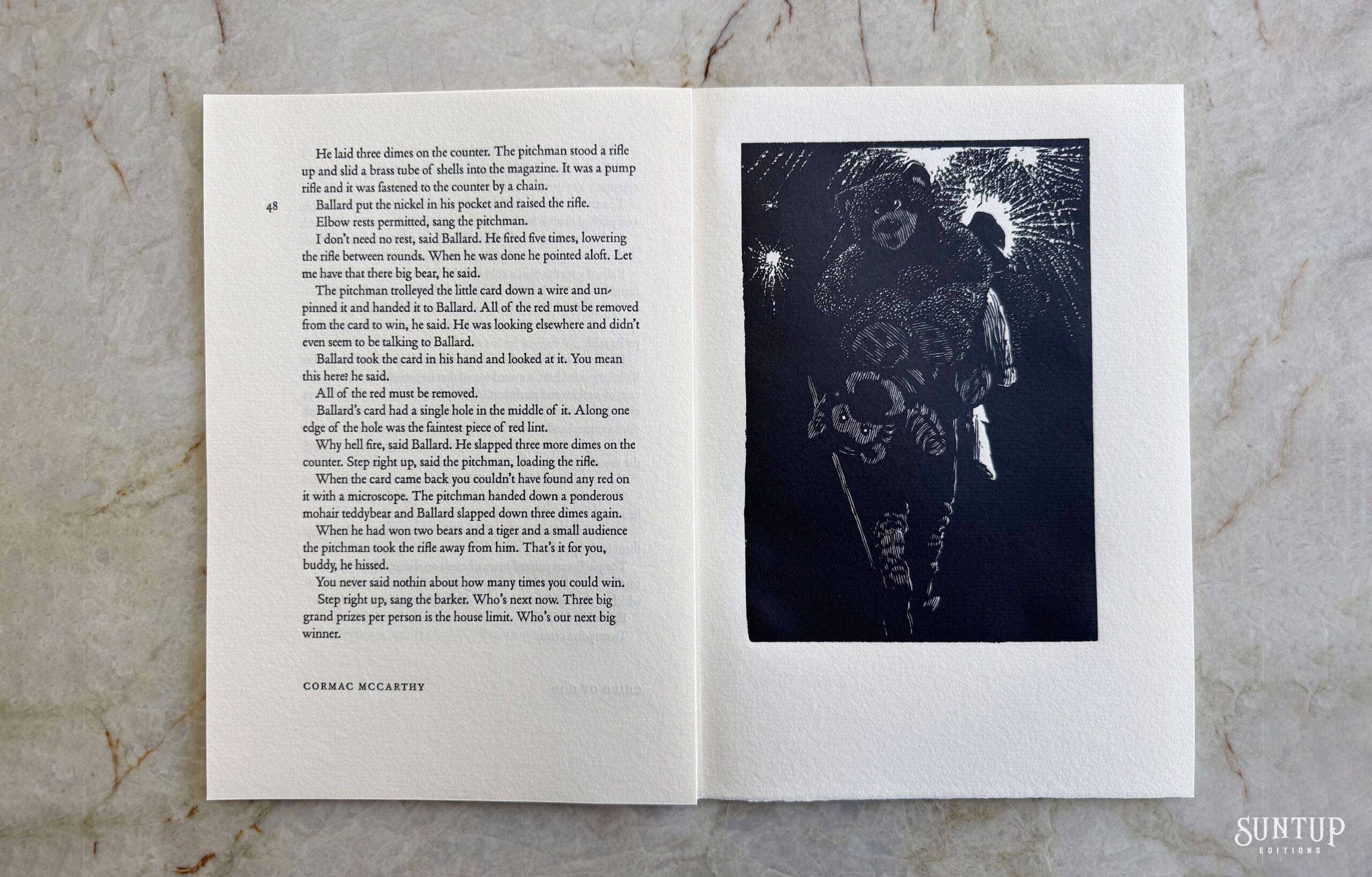
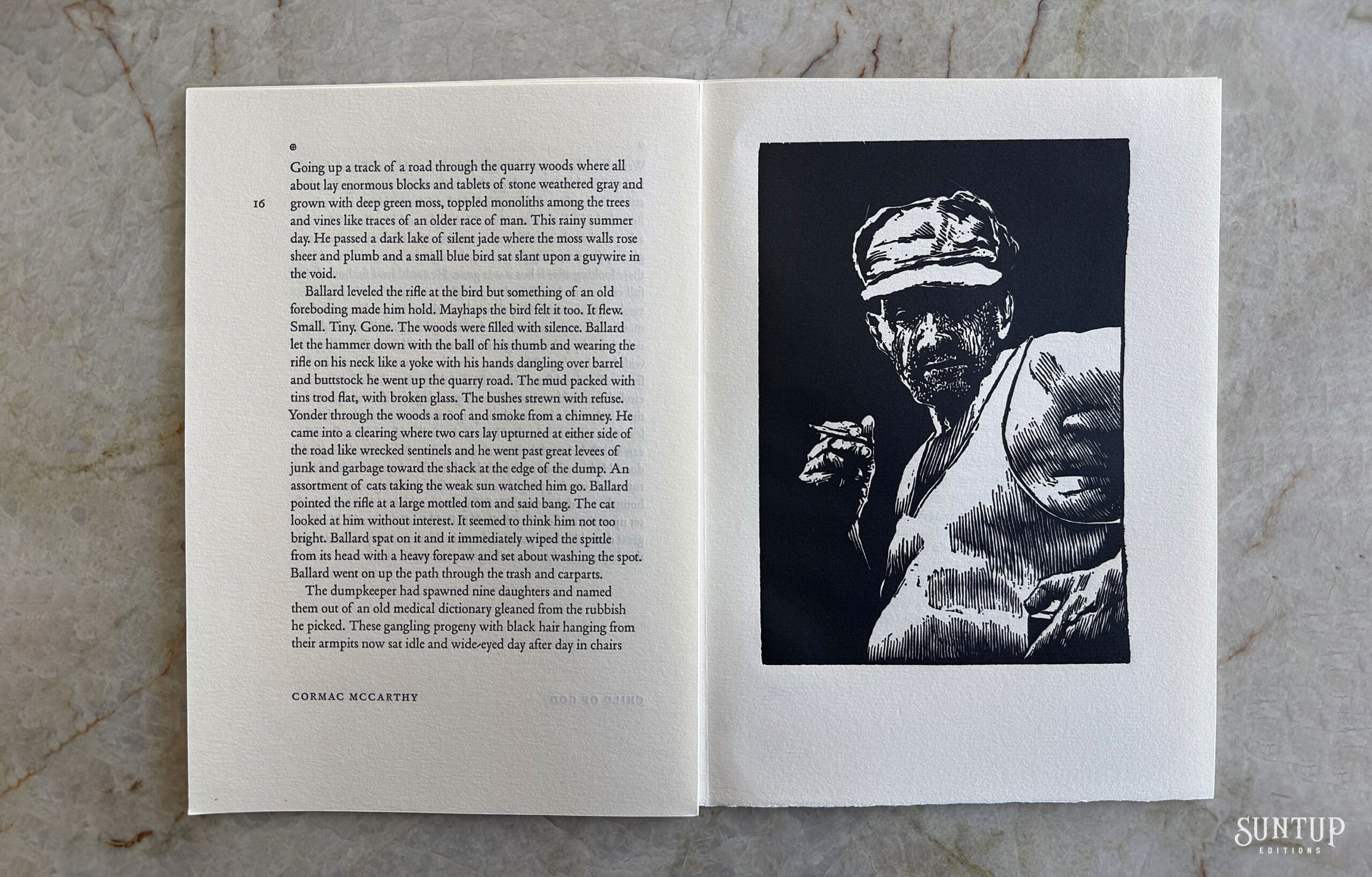
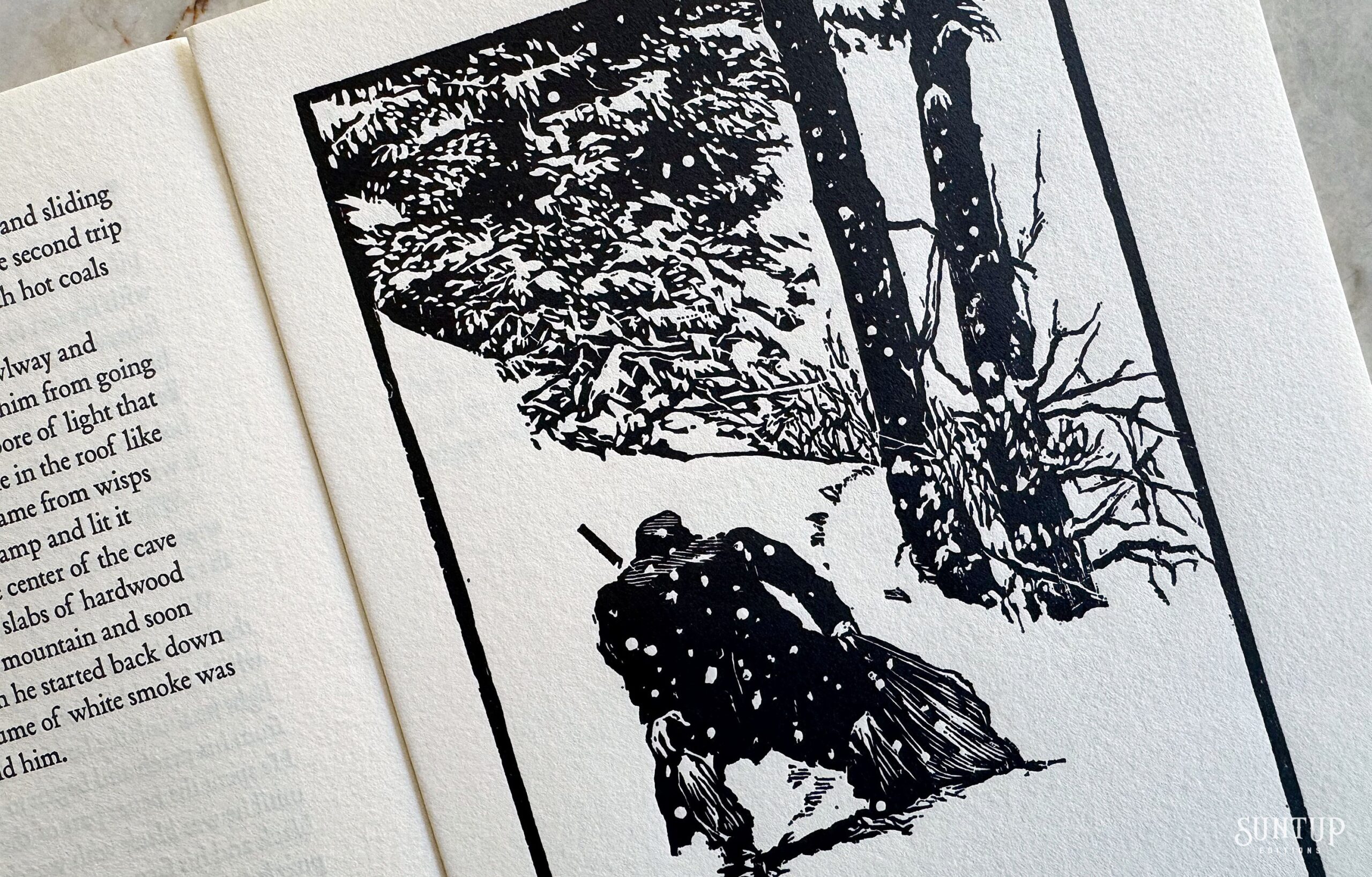
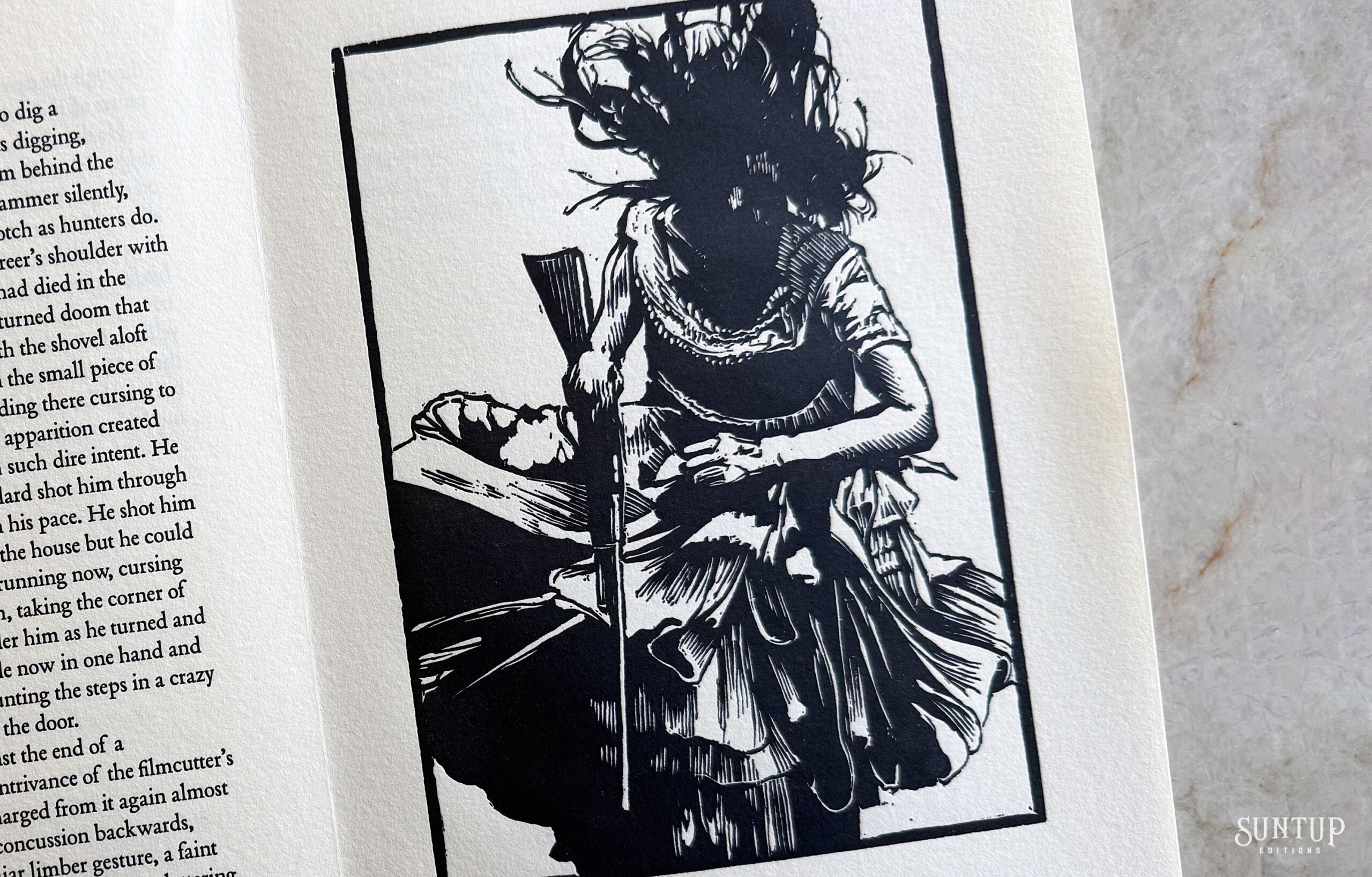
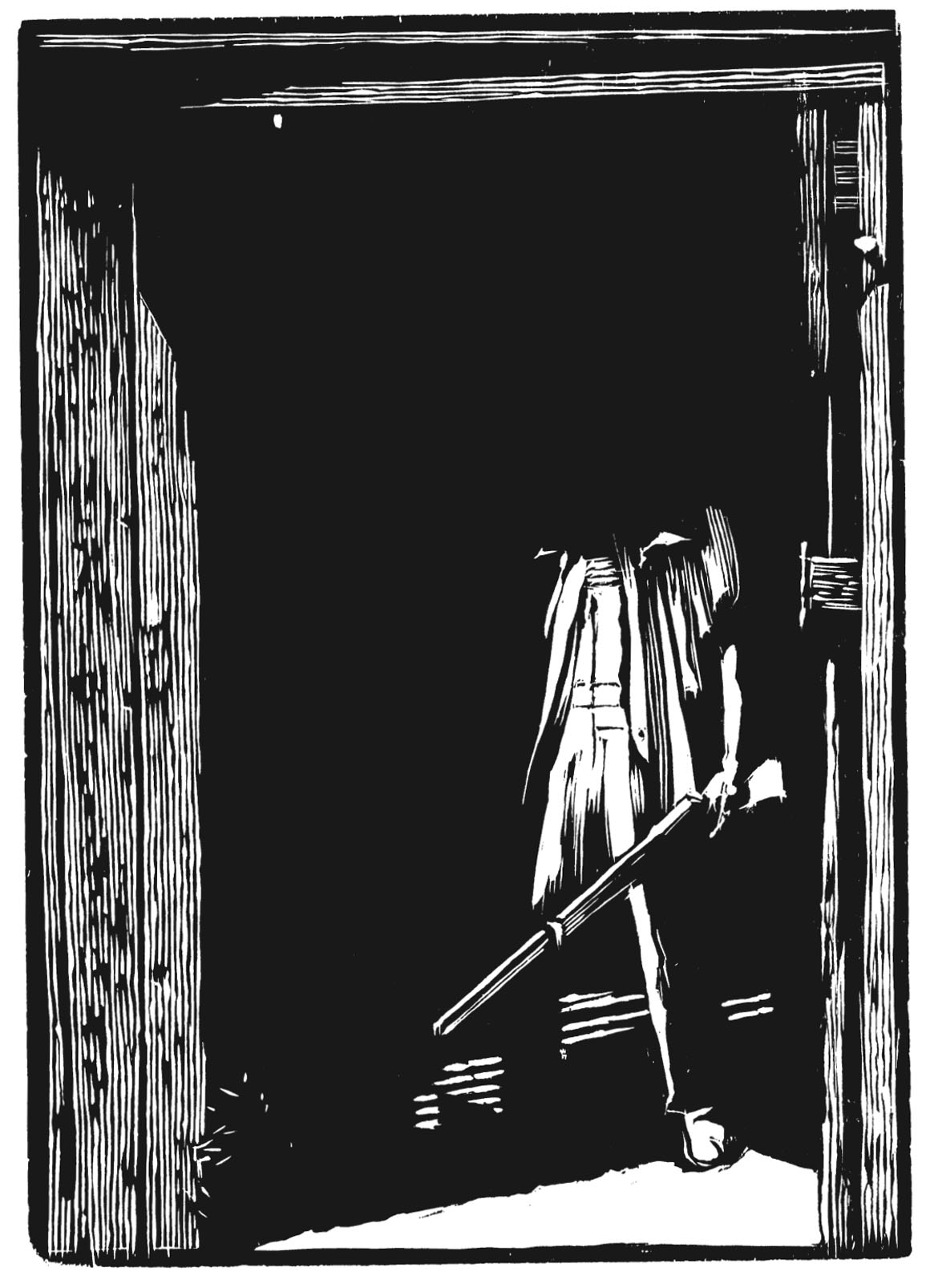
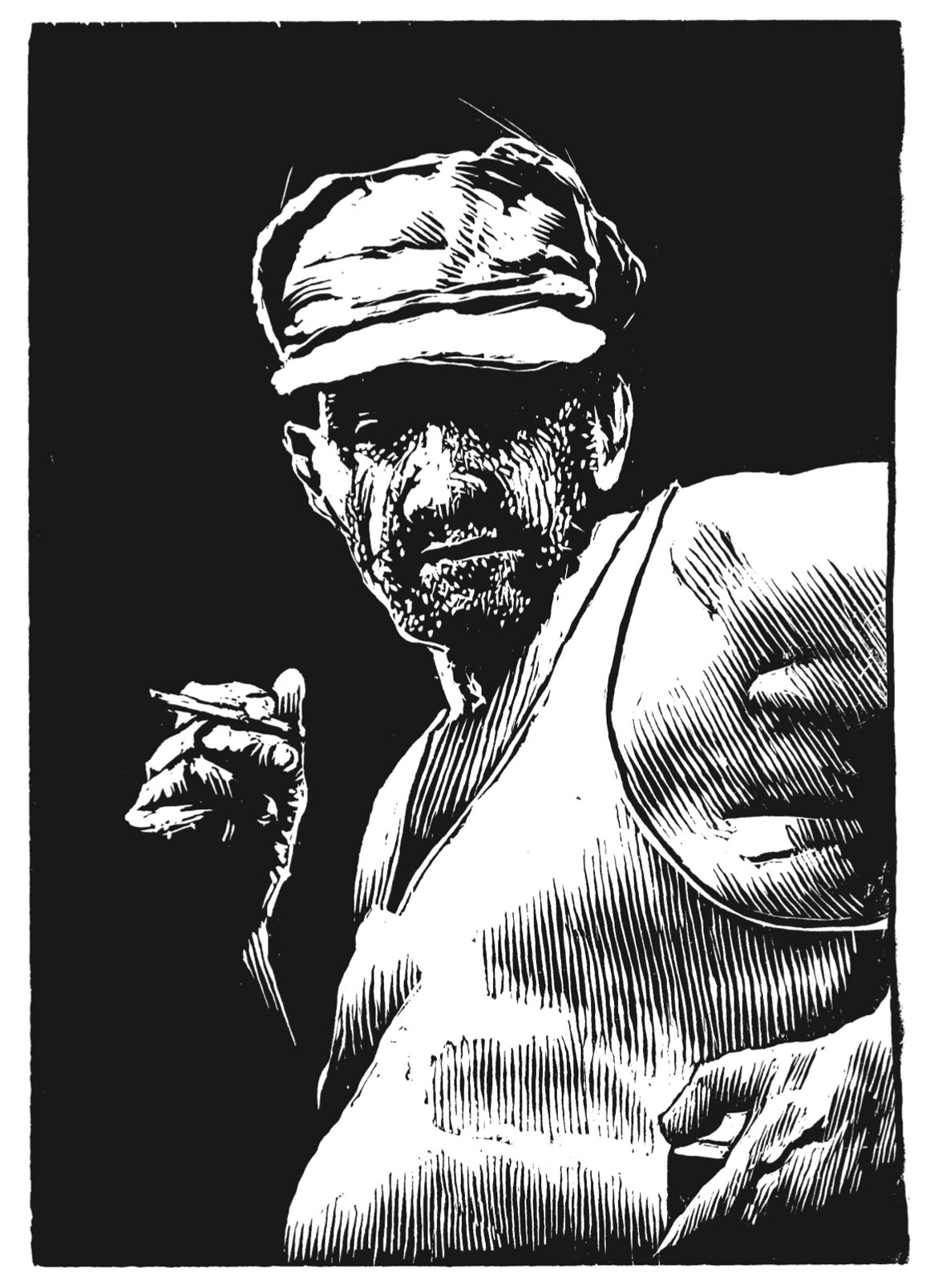
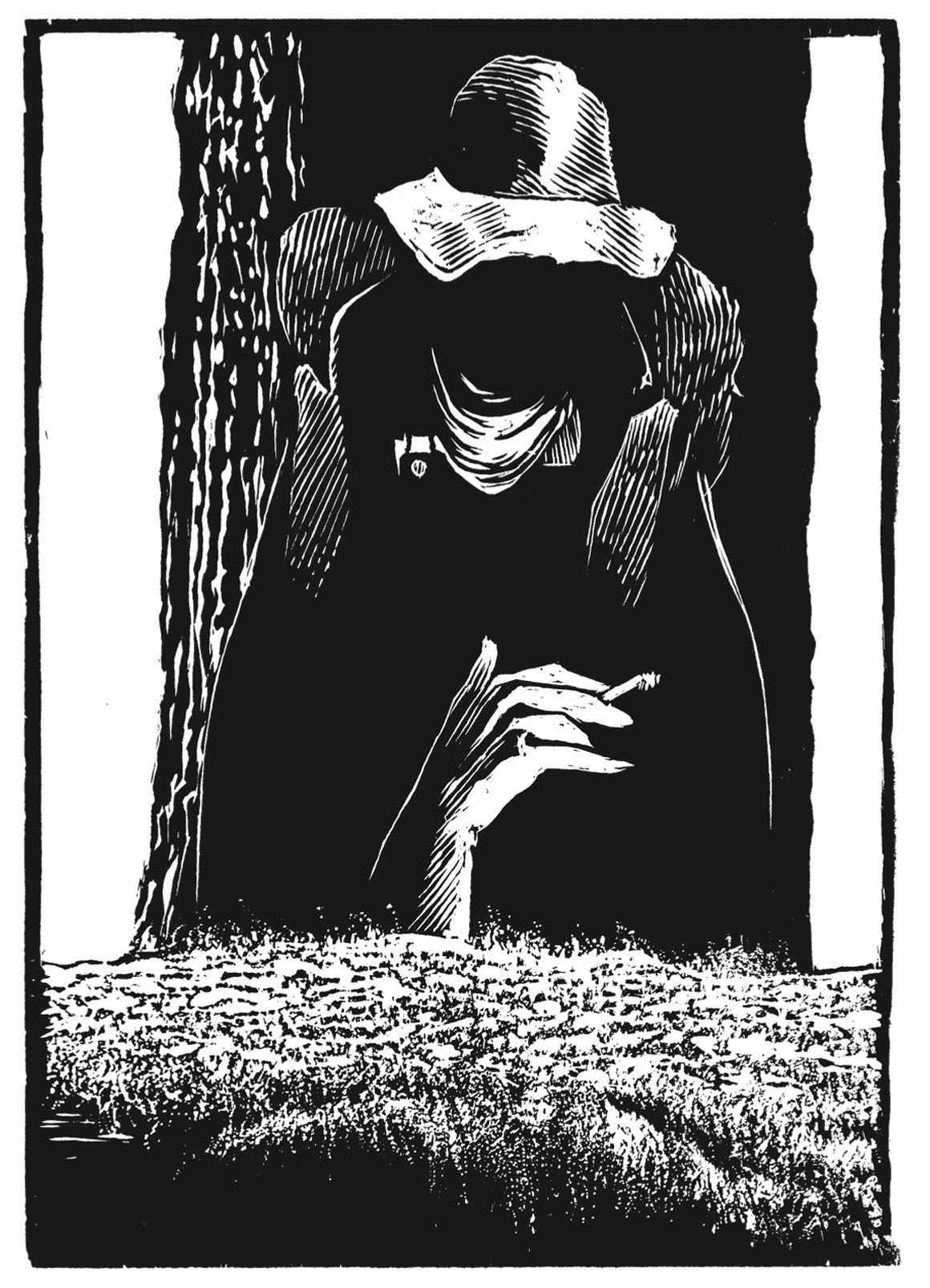
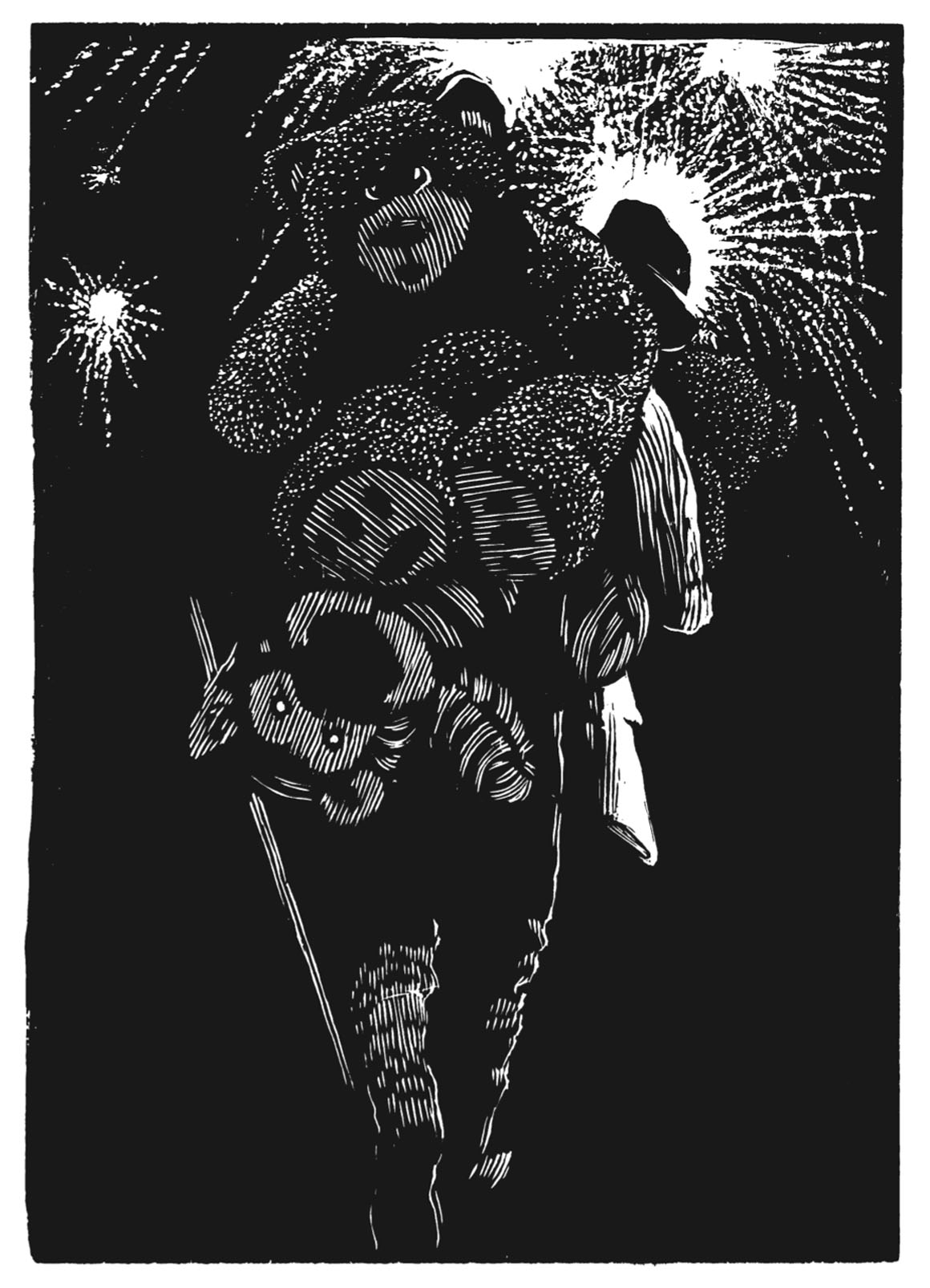
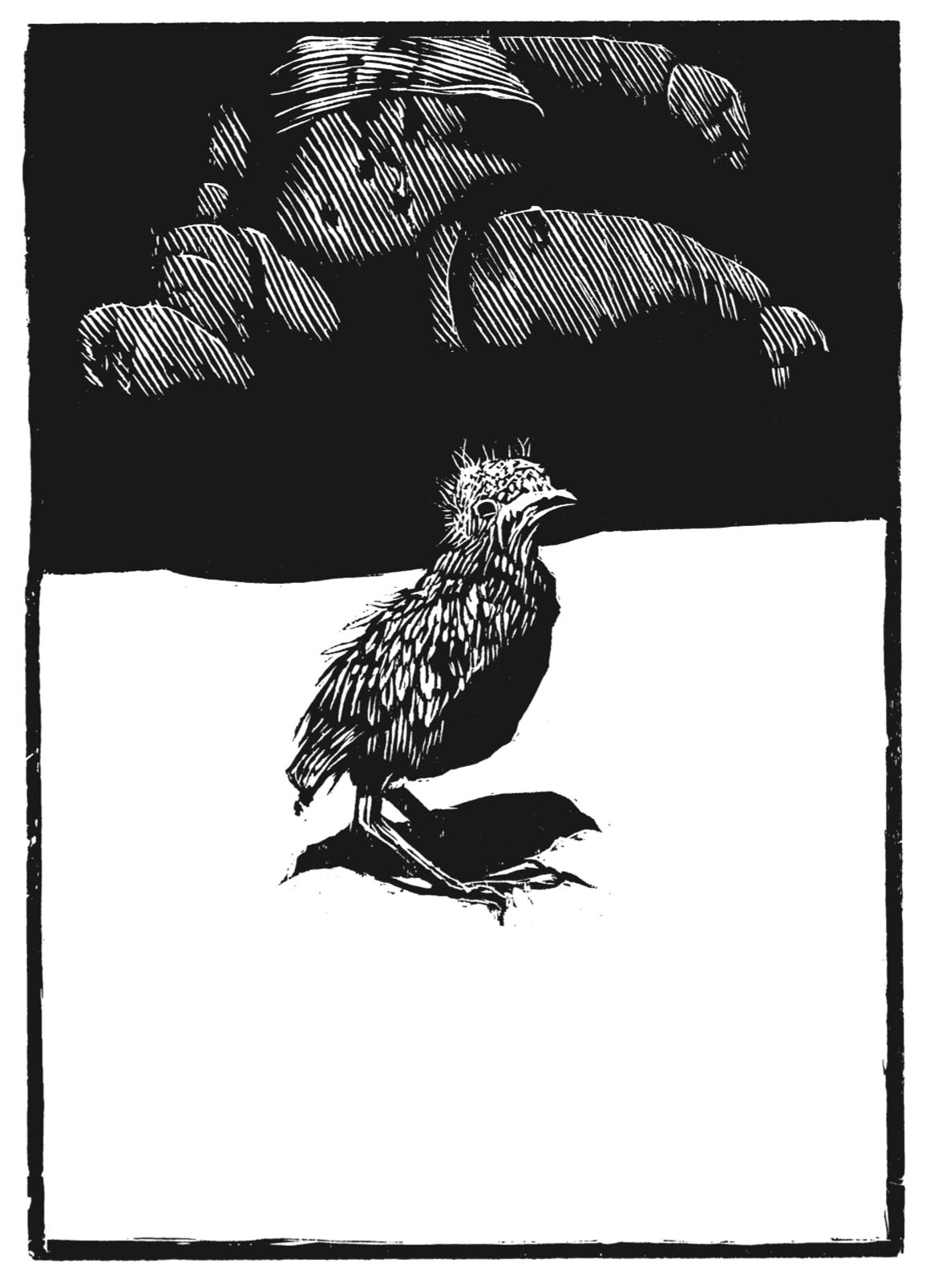
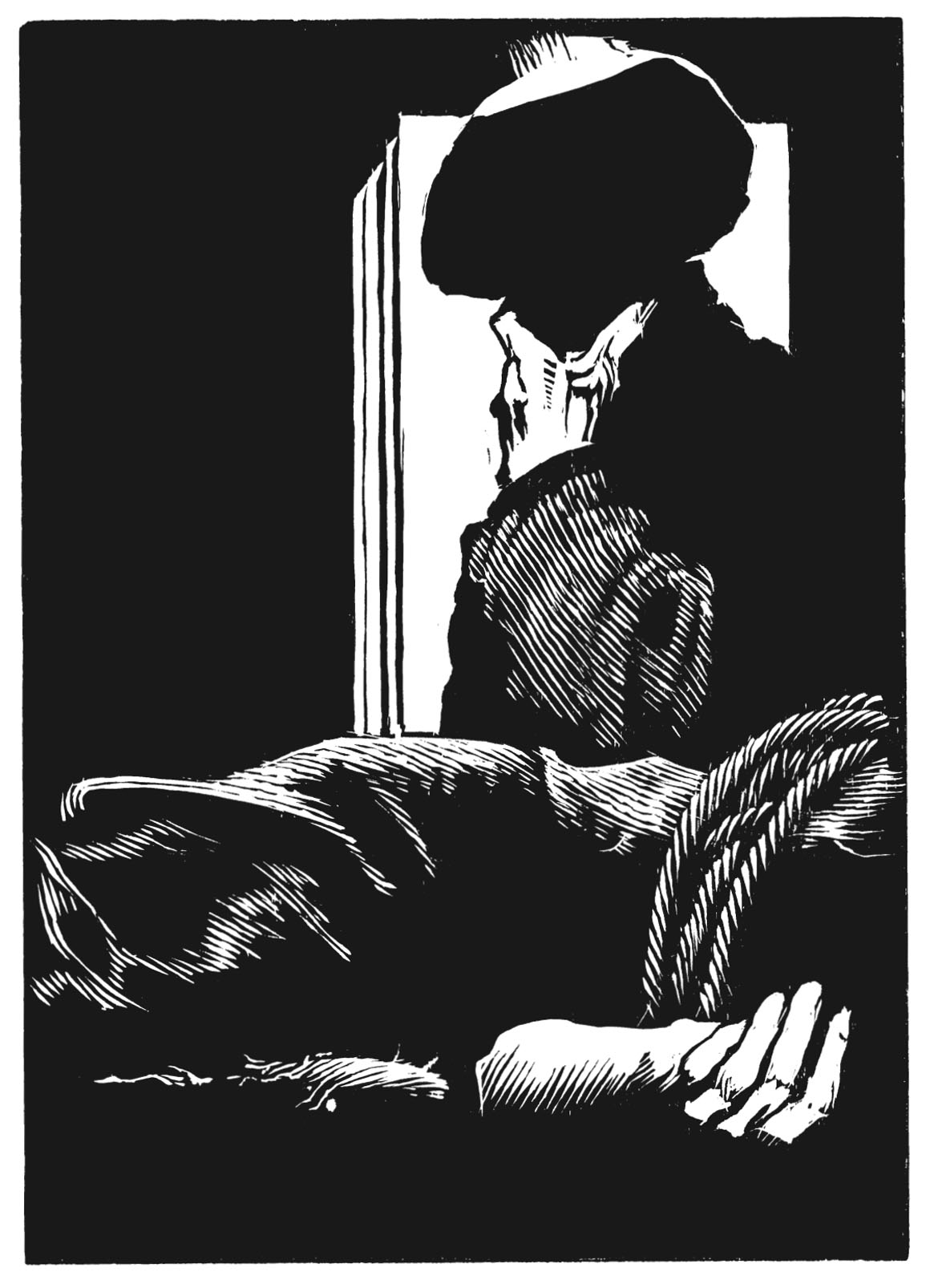
Our edition of Child of God by Cormac McCarthy is presented in three states: Artist, Numbered, and Lettered. It measures 6.7 x 9.5 inches and features twelve woodcuts by Barry Moser, as well as a new afterword by John Banville. The text pages are set in Poliphilus & Blado, with Caslon Antique for display, and both text and woodcuts are printed letterpress by Scott Vile on his Heidelberg Cylinder in Buxton, Maine. The three states are printed on Accent Opaque, Mohawk Superfine, and handmade Twinrocker papers respectively. Interior design and typography by Jason Dewinetz.
A Note on the Typography
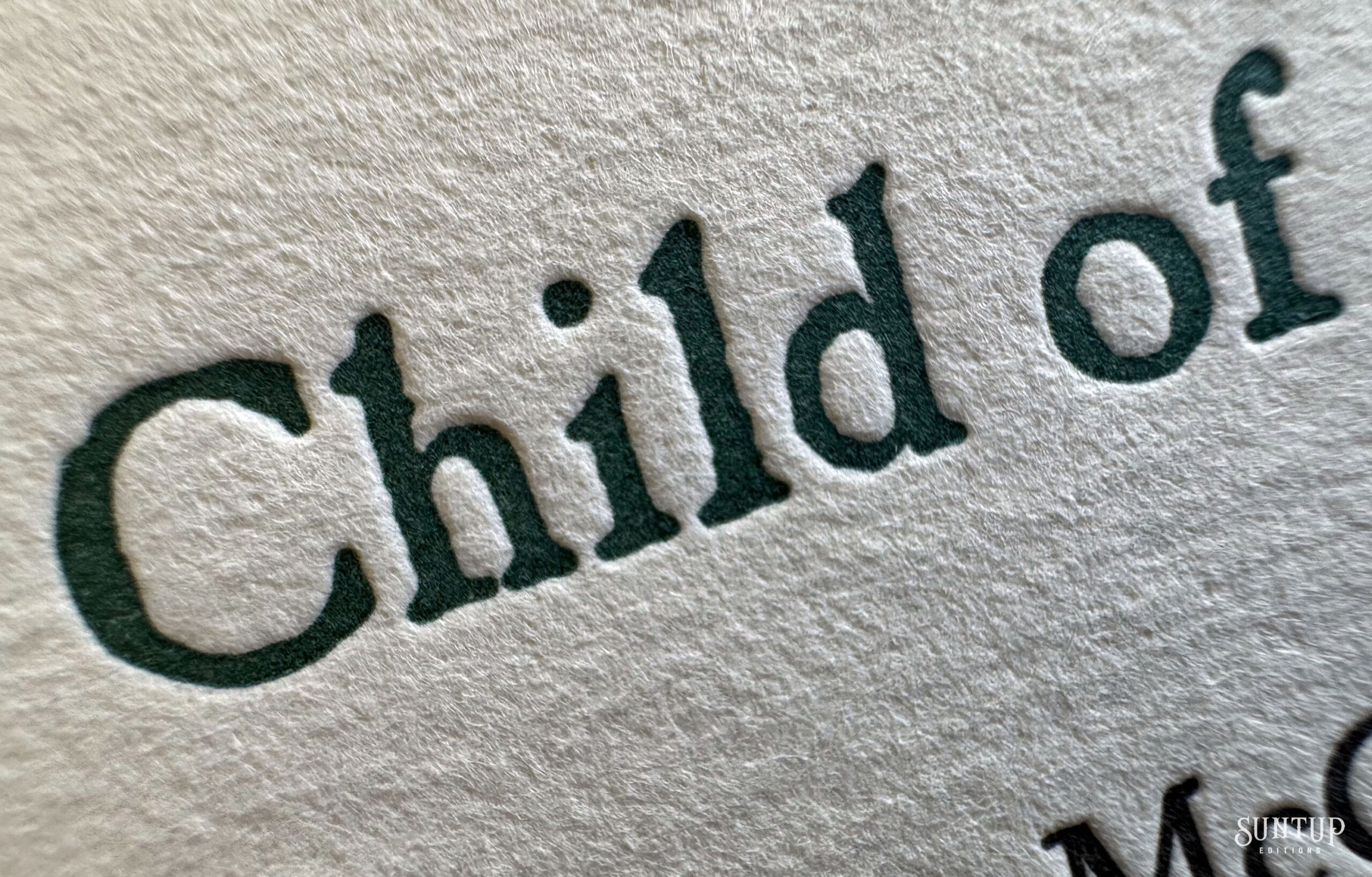
The typography is deliberately understated for a novel as bleak as this. The text is set in Poliphilus with its italic companion Blado, both revived by Stanley Morison for Monotype in 1923. Poliphilus is a close copy of fifteenth-century letterforms as they printed on handmade paper, ink spread and all. It is a face dark in color, rough at its edges, carrying the weight and unfinished quality of the printed page.
The titling is set in Caslon Antique, a decorative face designed by Berne Nadall in 1894. It emulates the chipped and damaged look of metal type reused past its time — a face worn before it is even printed. It is not a beautiful type, and it is not meant to be. It is chosen here in that spirit.
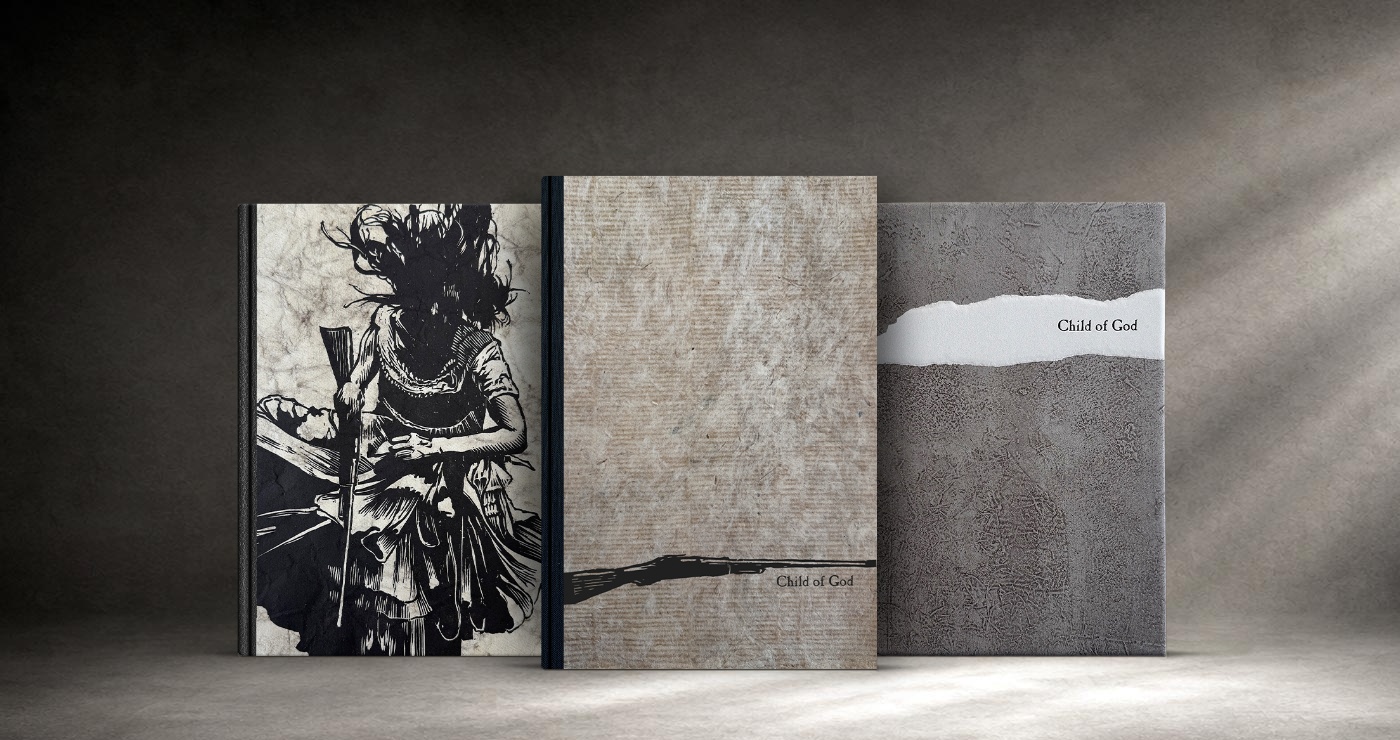
Artist Edition
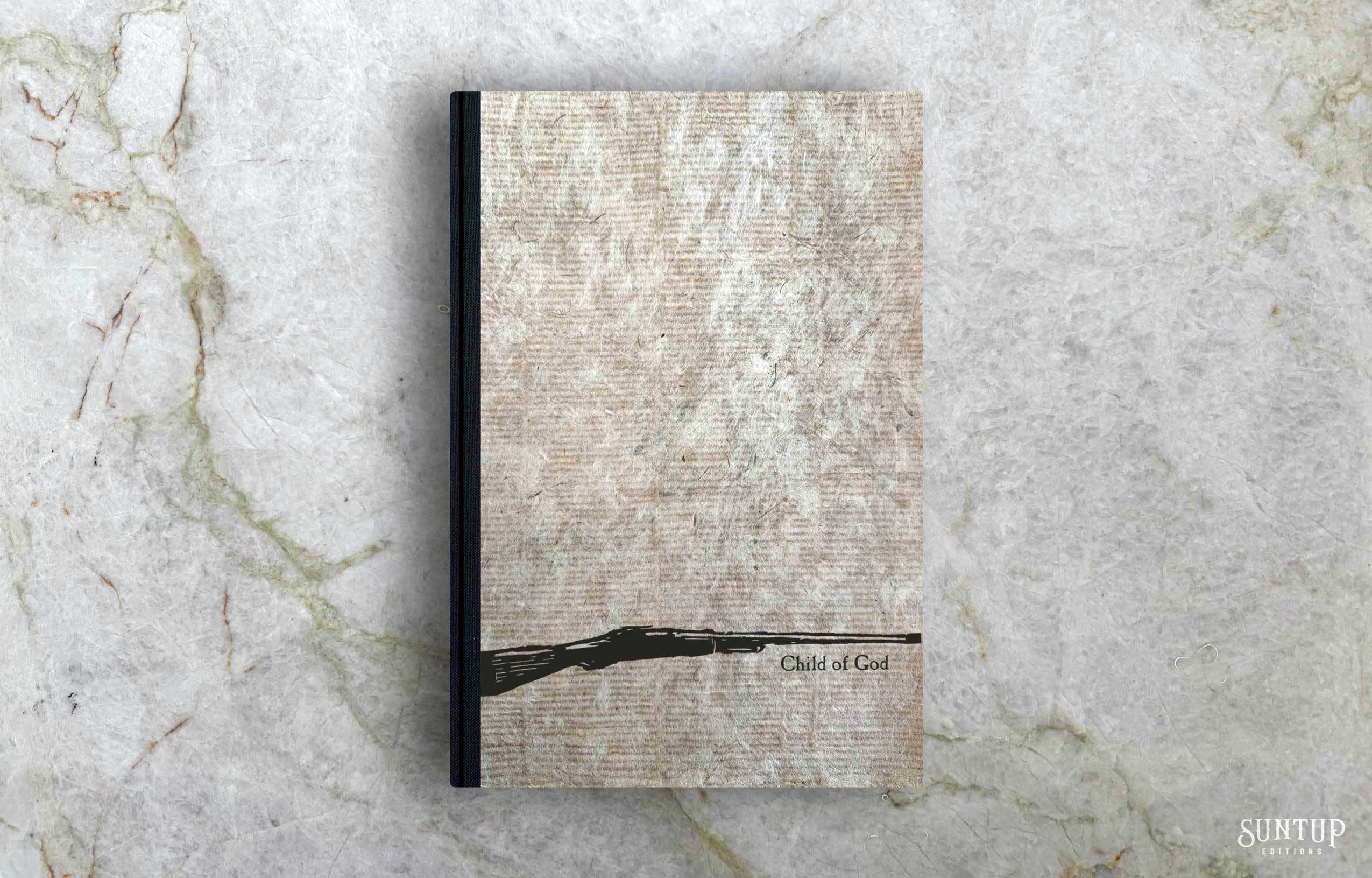
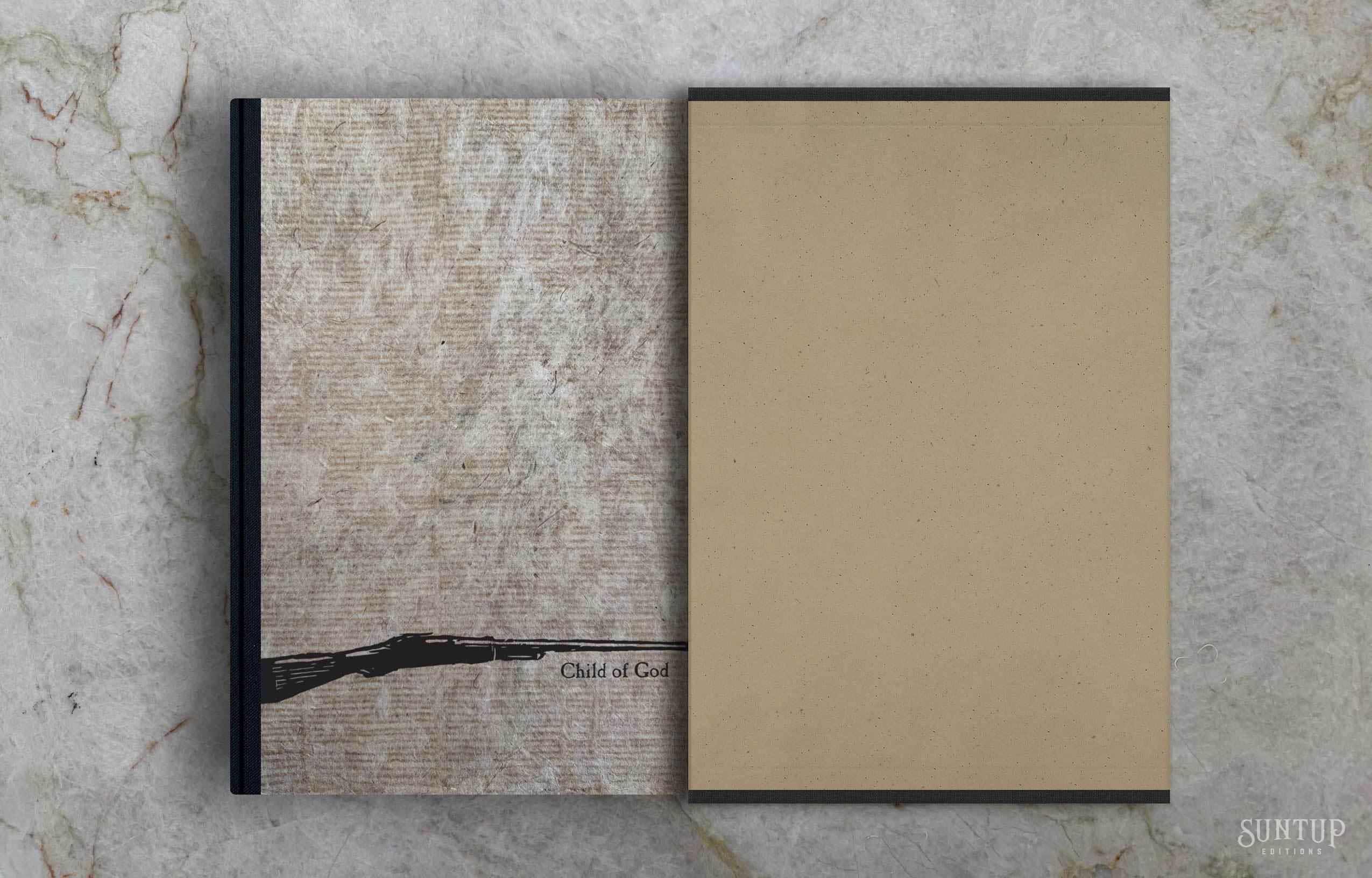
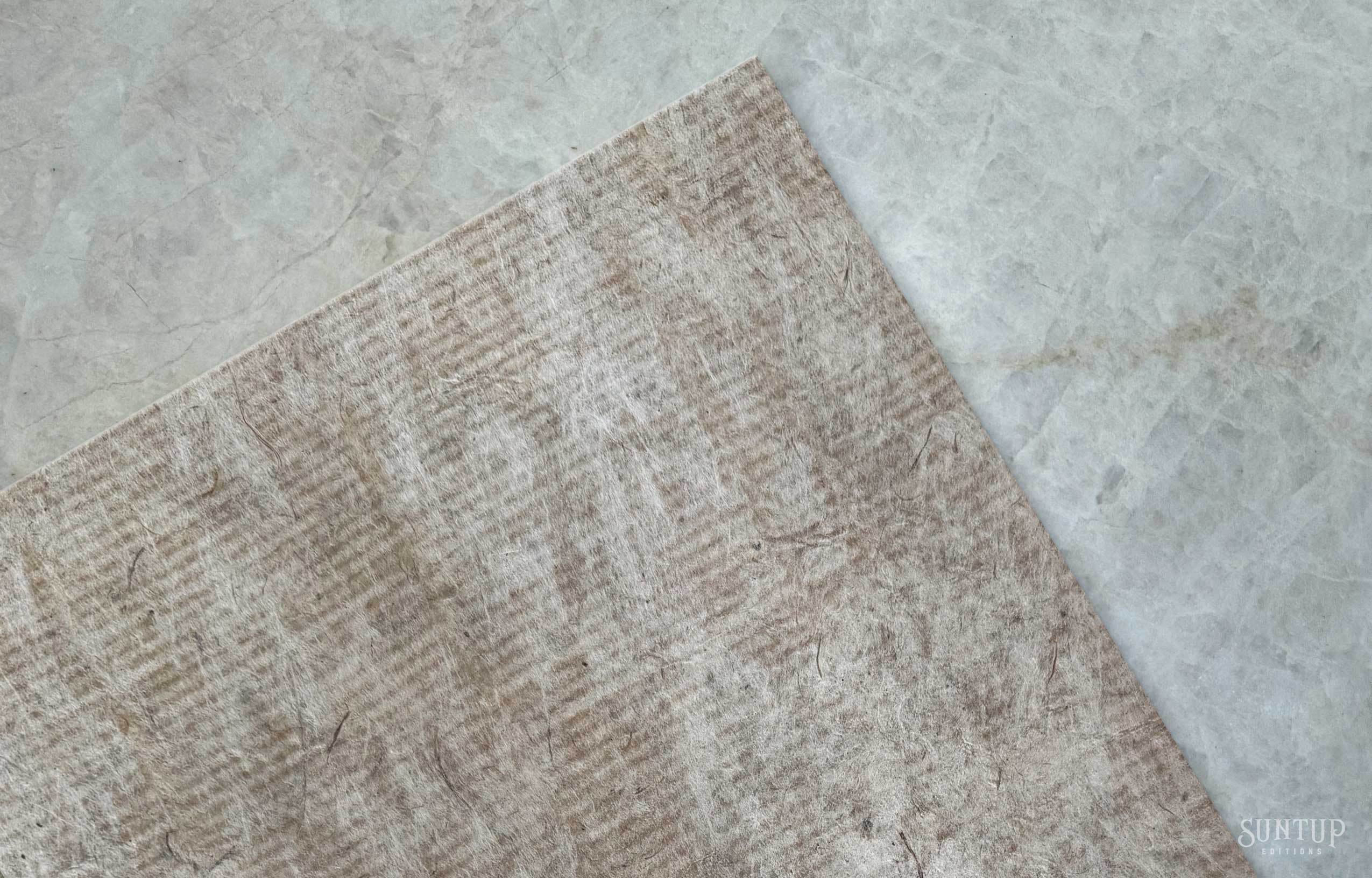
Pre-orderFor the Artist state, the boards are covered in Bhutanese Tsasho — a paper made by hand in Bhutan from the bark of de-nar, a hardy plant native to the Himalayan foothills. Each sheet is pulled on a split-bamboo screen, leaving a faint laid pattern, then dried against a mud wall. Coarse, fibrous, and unevenly toned — at home in the stark landscape of the novel.
Limited to seven hundred fifty copies, the binding is quarter cloth, with a detail from one of Barry Moser’s woodcuts foil-blocked on the front board. The edition is housed in a cloth-covered slipcase with end caps in a complementary color. It is printed letterpress on Accent Opaque and signed by Barry Moser.
Numbered Edition
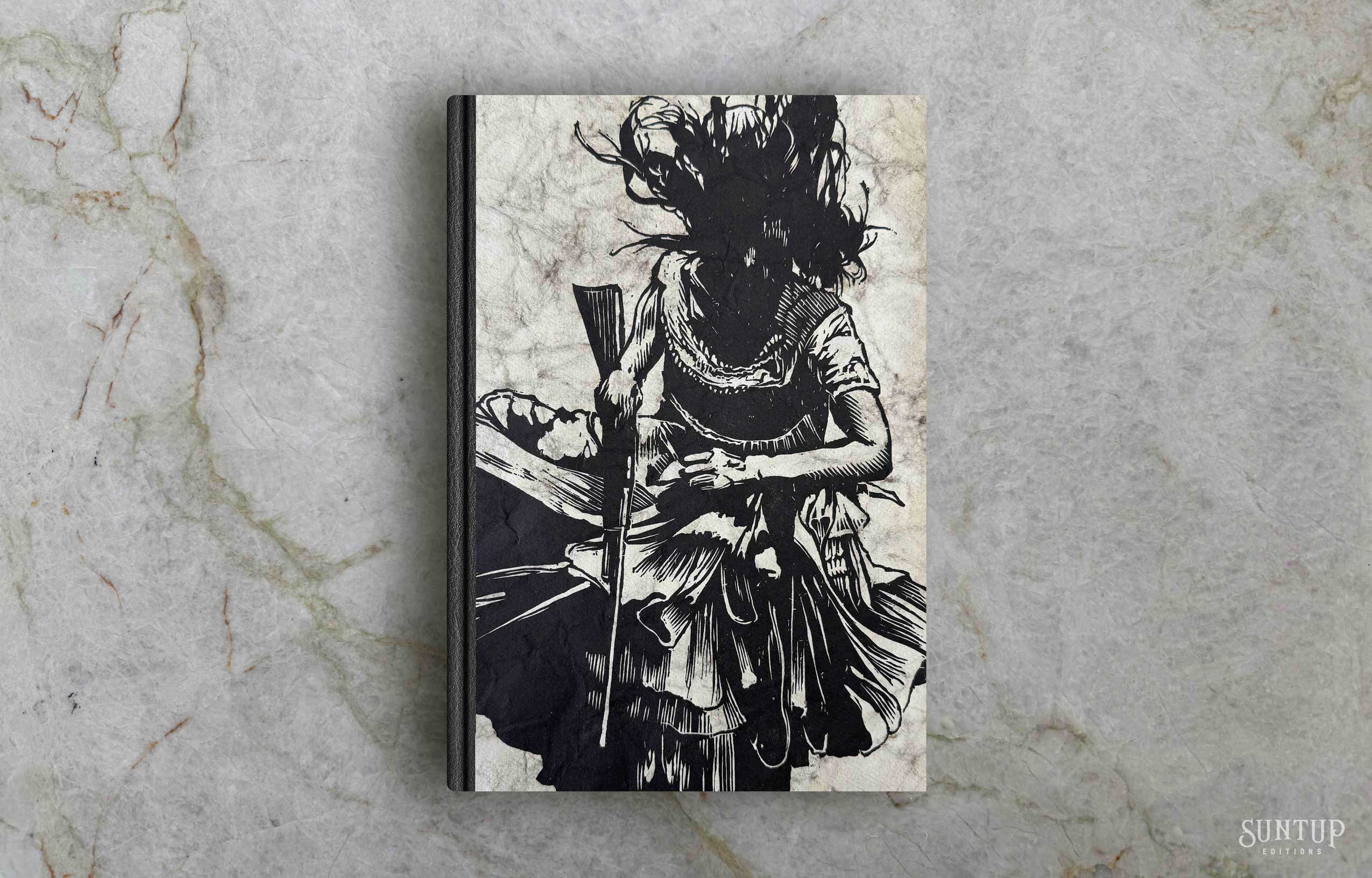
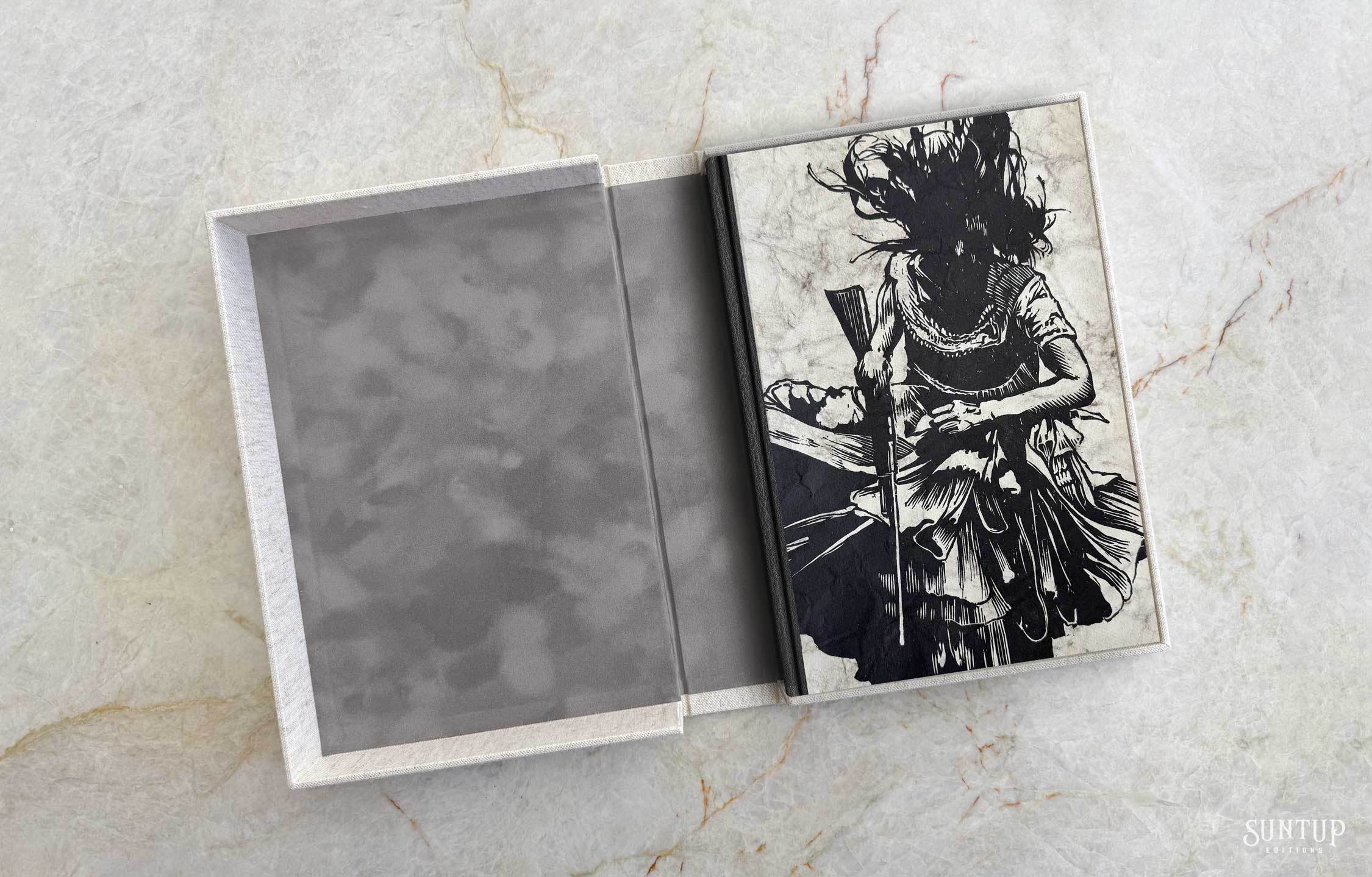
For the Numbered state, the boards are covered in a handmade batik paper from India, made from recycled cotton rag. Each sheet is coated in wax, crumpled by hand, and dipped in dye, leaving a network of crackled veins with no two sheets being the same.
Limited to two hundred fifty copies, the binding is quarter goatskin, with a detail from one of Barry Moser’s woodcuts letterpress-printed on the front board. The spine is foil-blocked. Endpapers are black Hahnemühle Bugra and the endbands are handmade in leather. The edition is housed in a clamshell enclosure covered in Natuurlinnen, a woven cotton cloth. It is printed letterpress on Mohawk Superfine and signed by John Banville and Barry Moser.
Lettered Edition
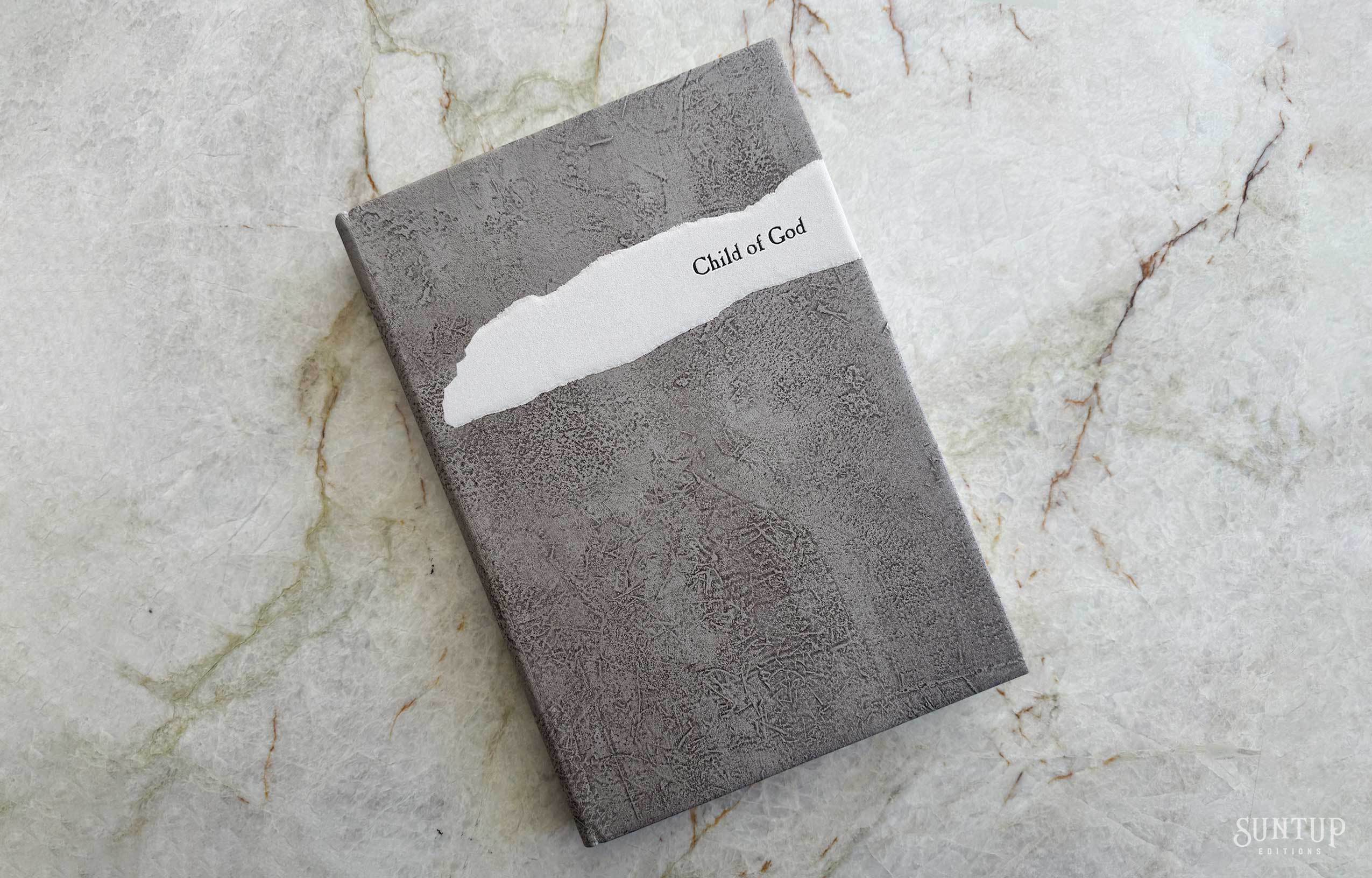
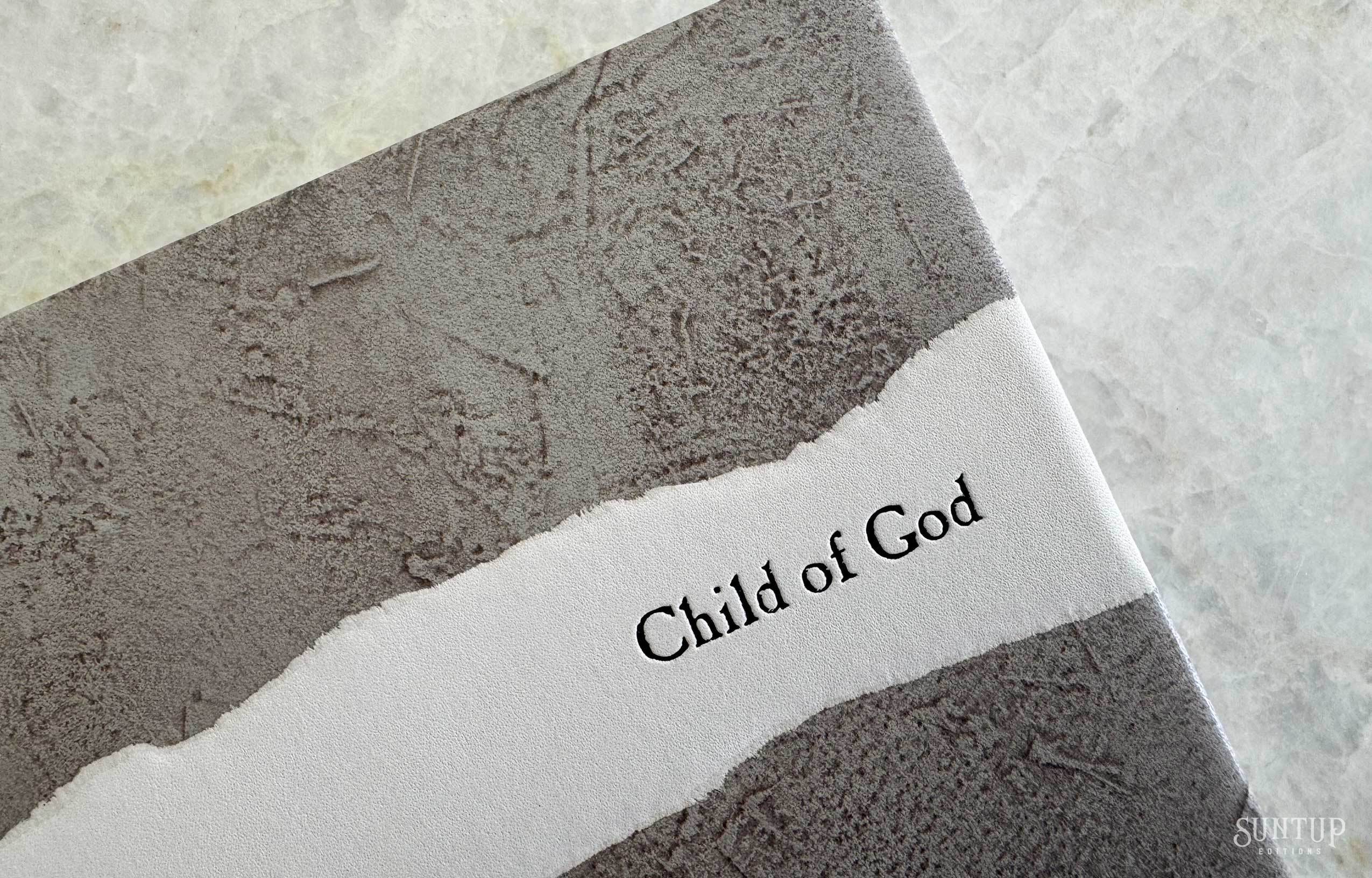
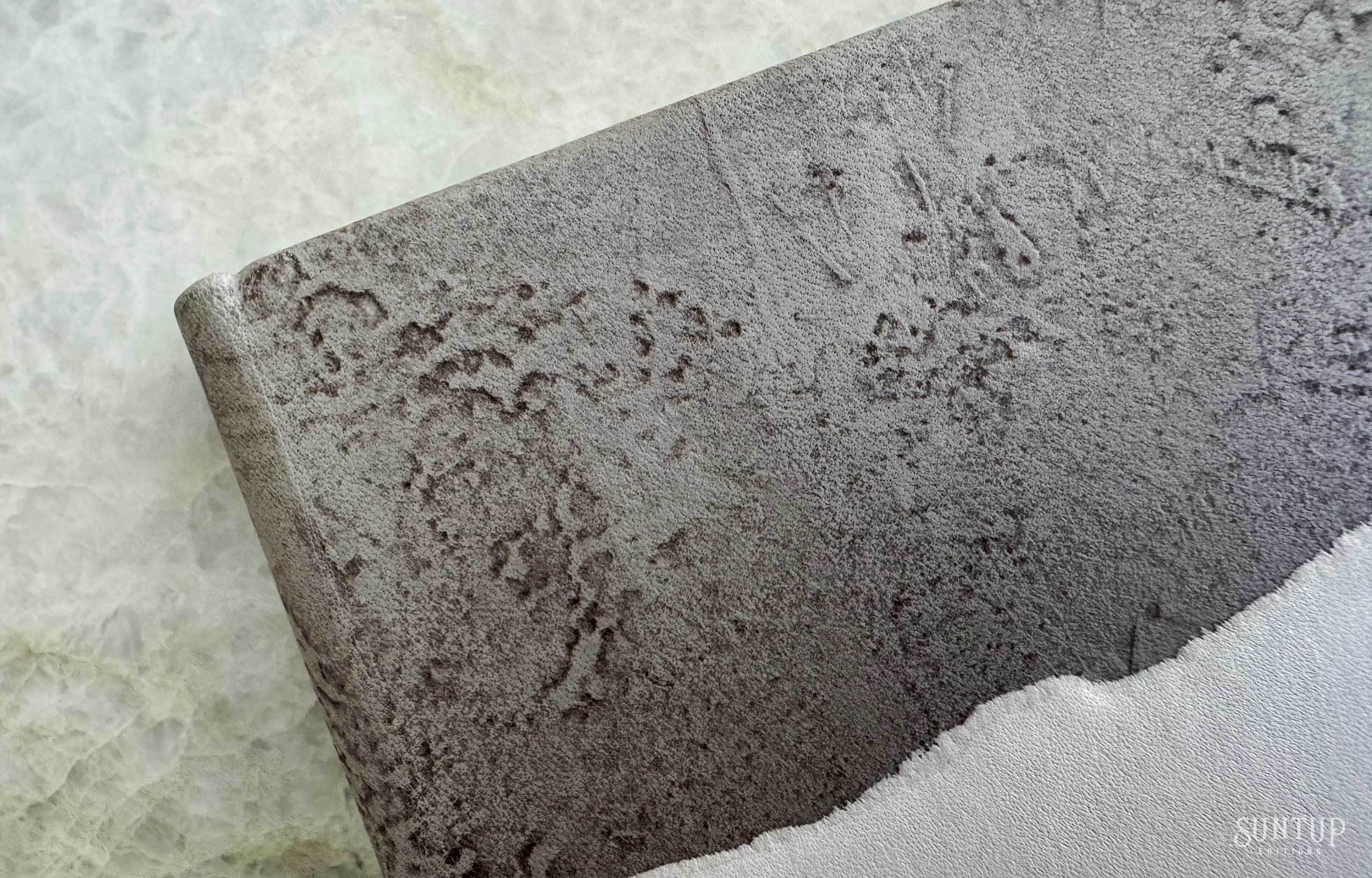
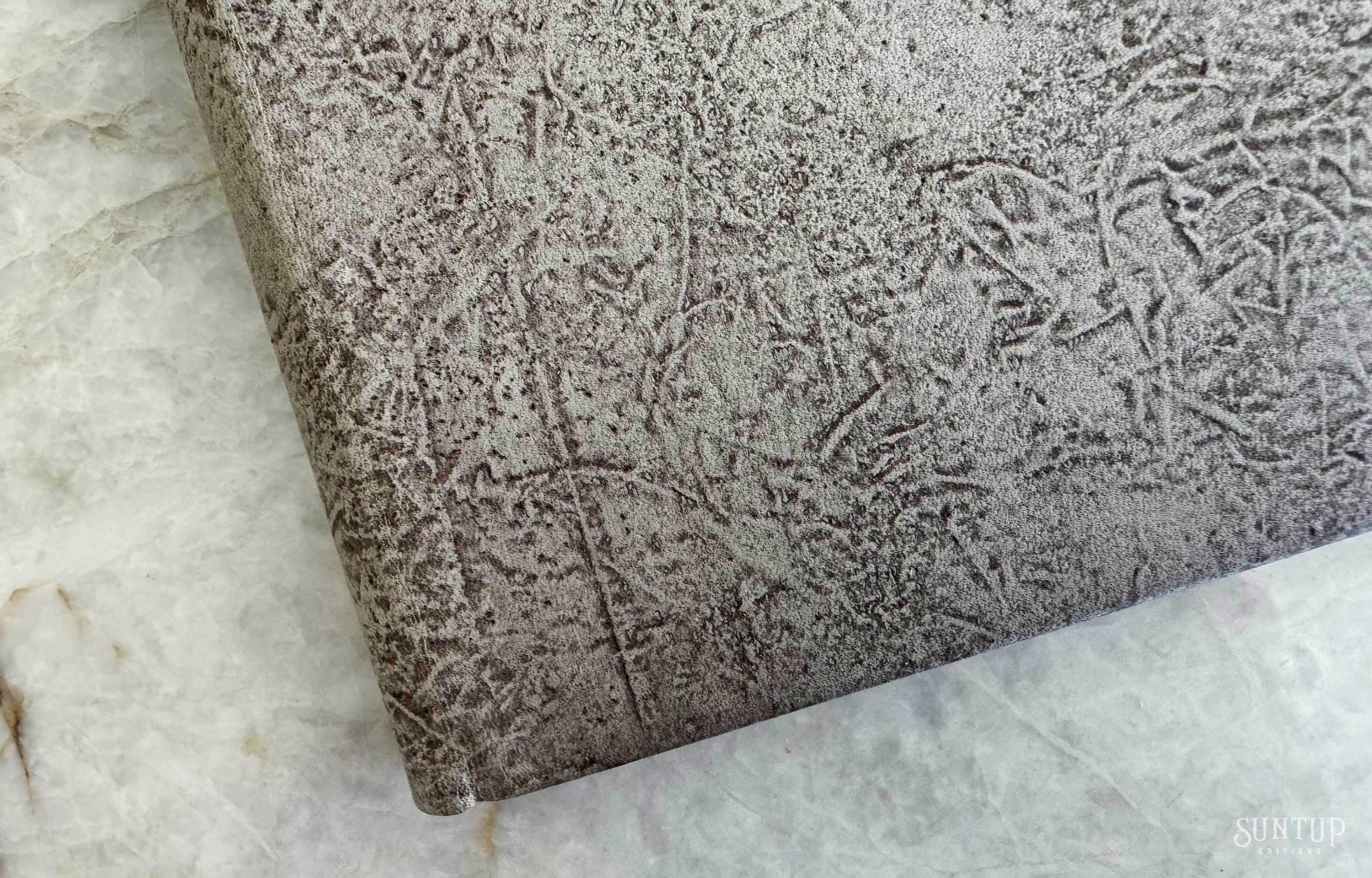
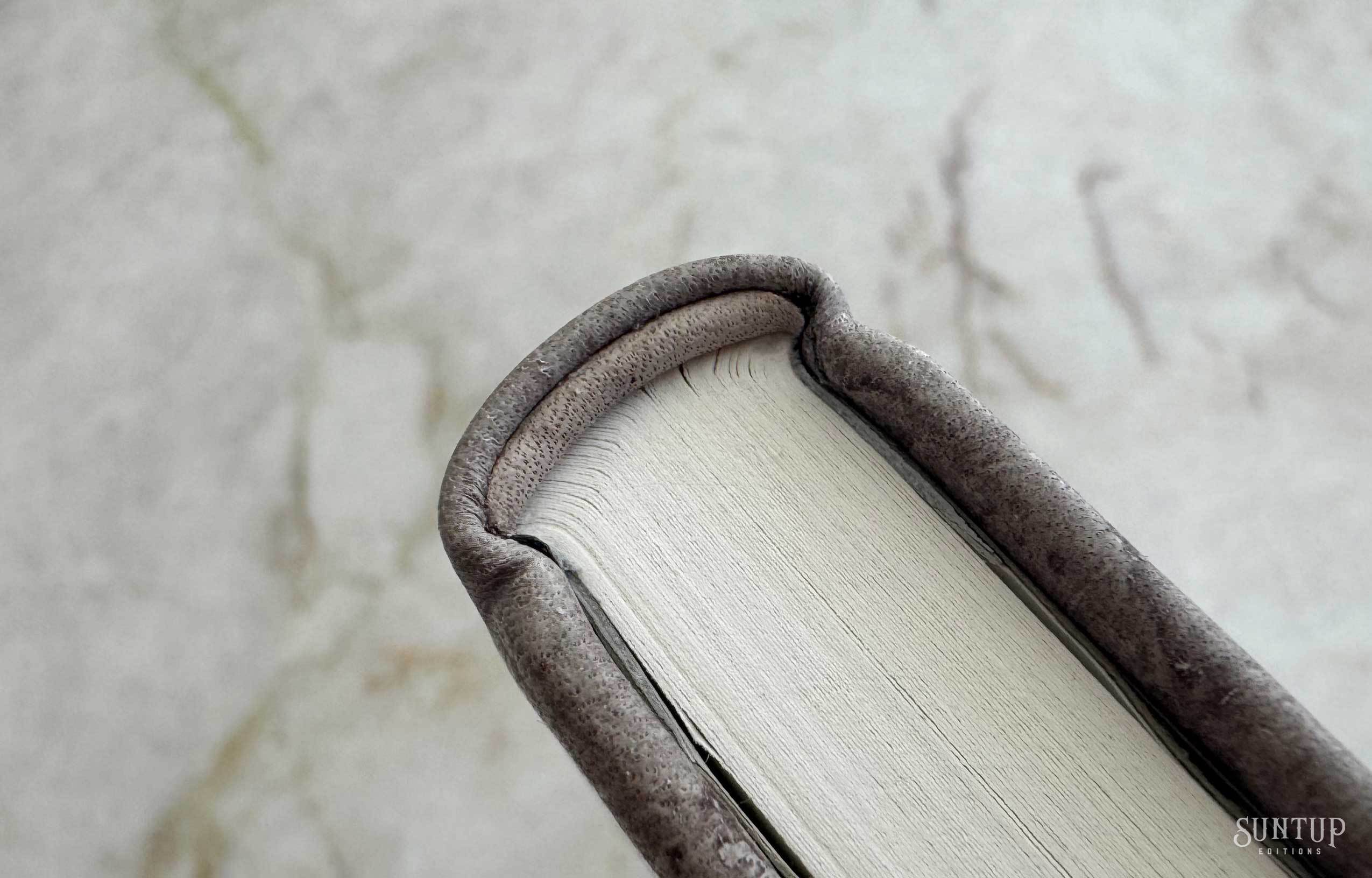
For the Lettered state, the boards are covered in crust leather. The hide is left unfinished, without the surface treatments that would ordinarily smooth and unify it. The leather is stamped and dyed and includes a torn-edge white leather onlay on the front board which carries the title.
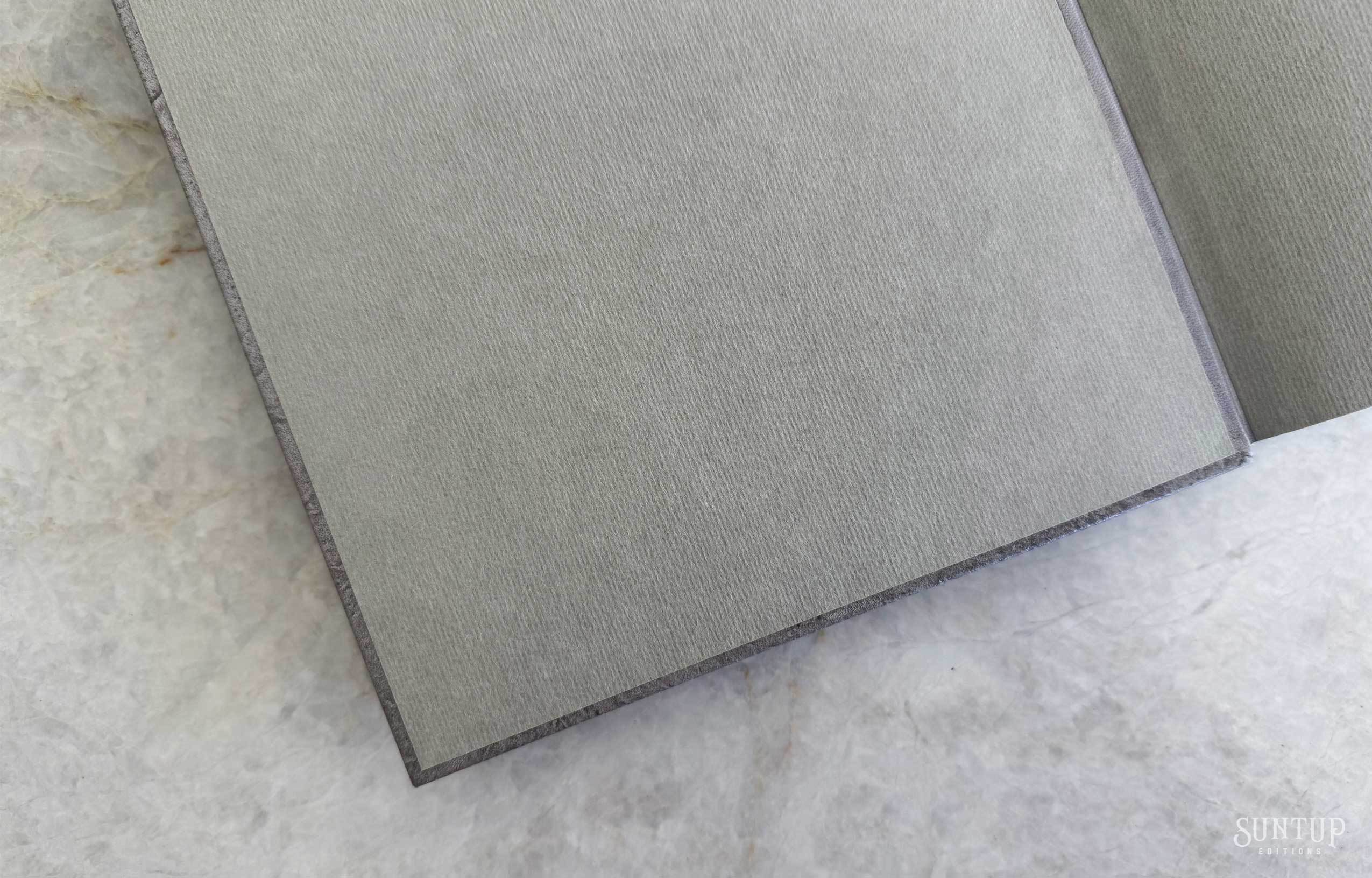
Limited to twenty-six copies, the binding is by master bookbinder Zigor Anguiano Calzada in Spain. Endpapers are Hahnemühle Ingres and the endbands are leather. The edition is housed in a clamshell enclosure covered in cloth.
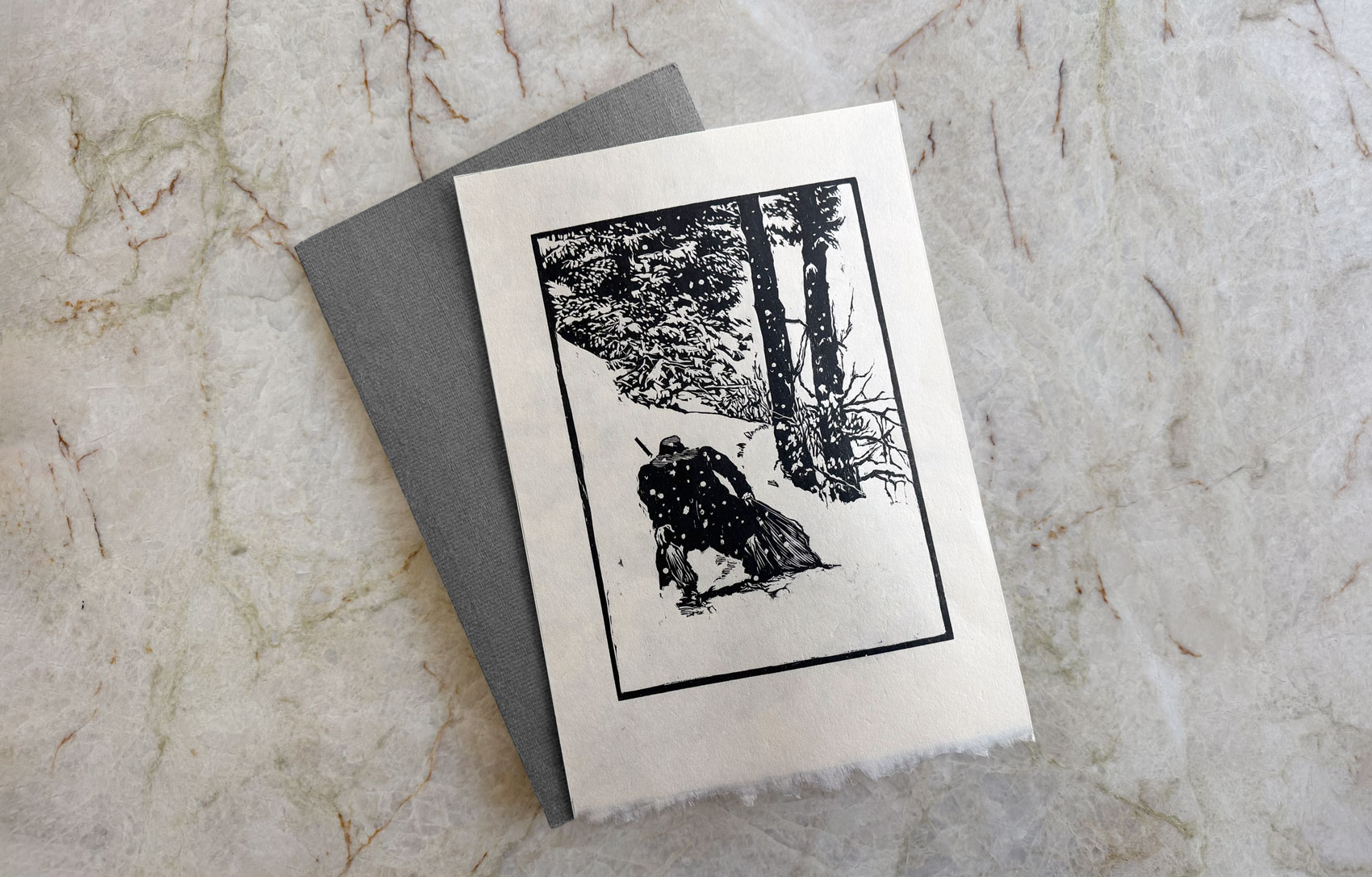
It is printed letterpress on handmade Twinrocker Da Vinci — one of the finest handmade papers being produced today. Established in 1971, Twinrocker was pivotal to the renaissance of hand papermaking in America. Each copy is signed by John Banville and Barry Moser, and is accompanied by a print of one of Moser’s woodblocks, pulled on Kitakata paper and presented in a folded paper wrapper.
About the Author

About the Collaborators

John Banville
John Banville was born in Wexford, Ireland, in 1945. He is the author of numerous novels, including The Sea, which won the 2005 Booker Prize, and the DI Quirke novels written under the pseudonym Benjamin Black. In 2011 he was awarded the Franz Kafka Prize, in 2013 he was awarded the Irish PEN Award for Outstanding Achievement in Irish Literature and in 2014 he won the Prince of Asturias Award, Spain’s most important literary prize. He lives in Dublin.

Barry Moser
Barry Moser was born in Chattanooga, Tennessee, in 1940. An American illustrator, painter, printmaker, and designer, he studied at Auburn University and the University of Tennessee at Chattanooga, and later with Leonard Baskin. His work is held in the Metropolitan Museum, the British Museum, the Library of Congress, the Pierpont Morgan Library, and the Vatican Library, among many others. His illustrations for Lewis Carroll’s Alice’s Adventures in Wonderland won the National Book Award for design and illustration in 1983. He has illustrated more than three hundred books, including the Bible, A River Runs Through It, and Moby-Dick.
Matching Numbers & Letters
A Matching Pre-Order email is sent to owners of our previous publication, The Bell Jar at 9:00 A.M. PT on the day of announcement. If you did not receive the email, contact us here. If your order is not received before the deadline, your designated number or letter will be assigned to the new owner.
Woodcuts by Barry Moser
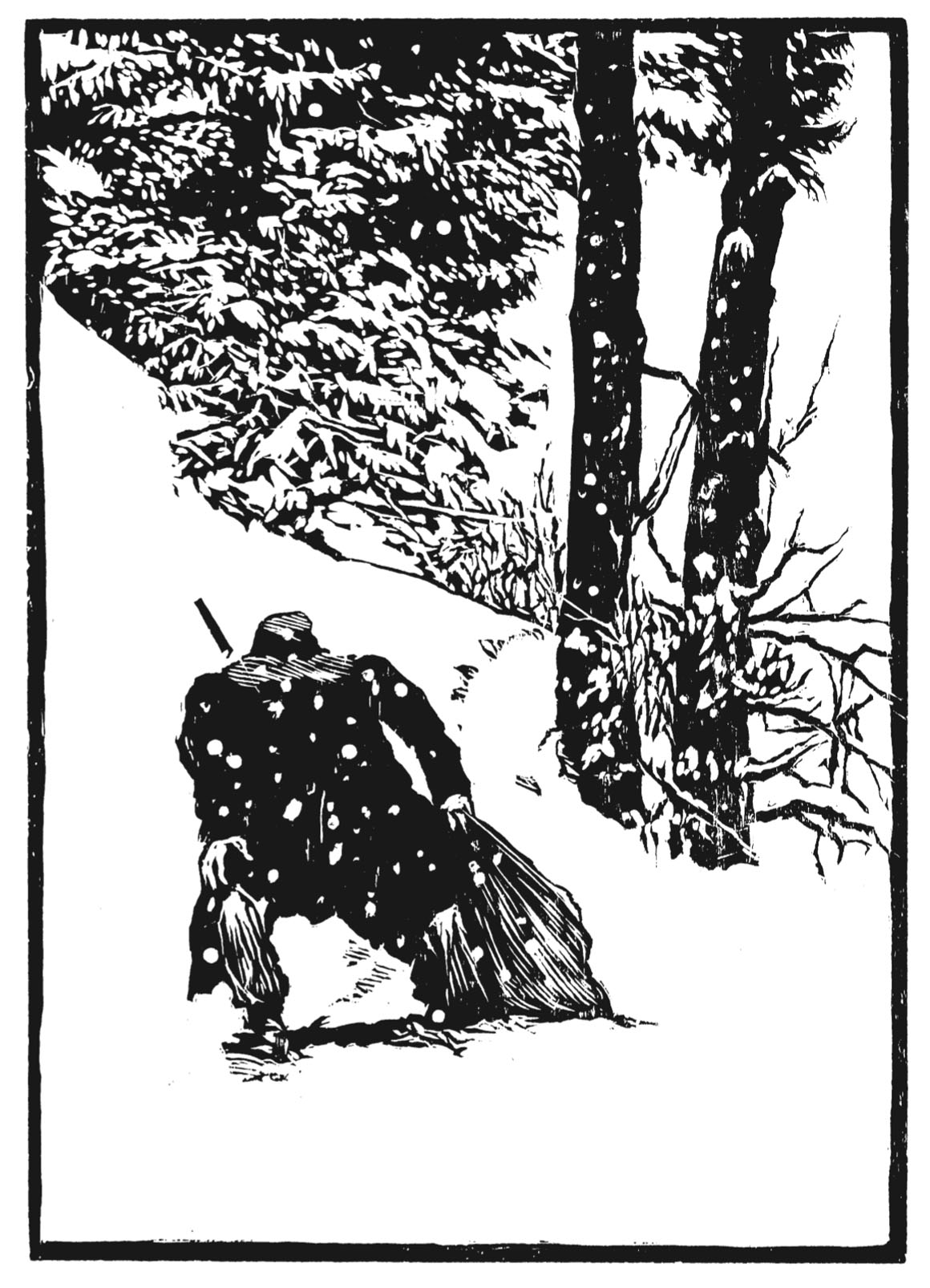
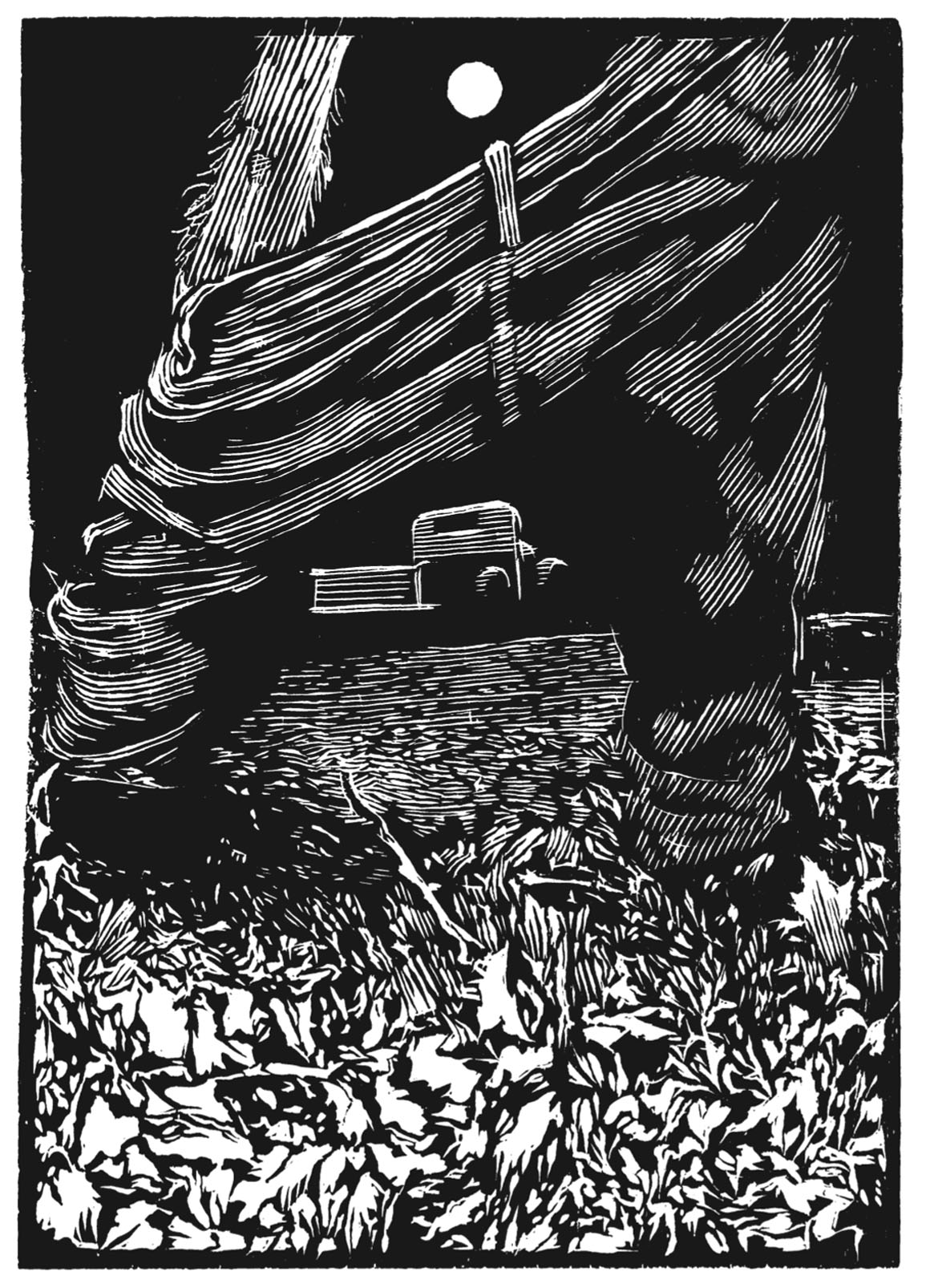
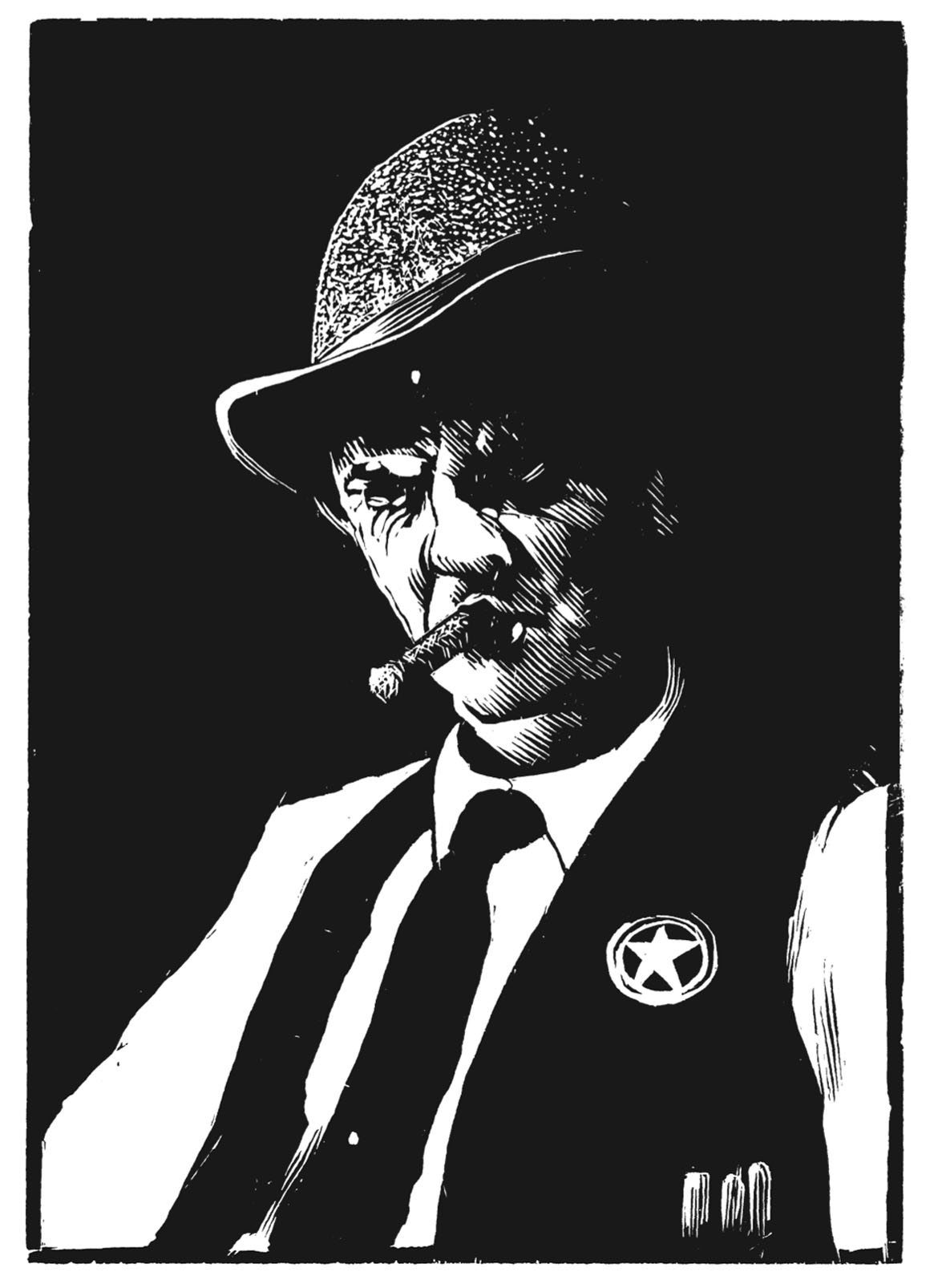
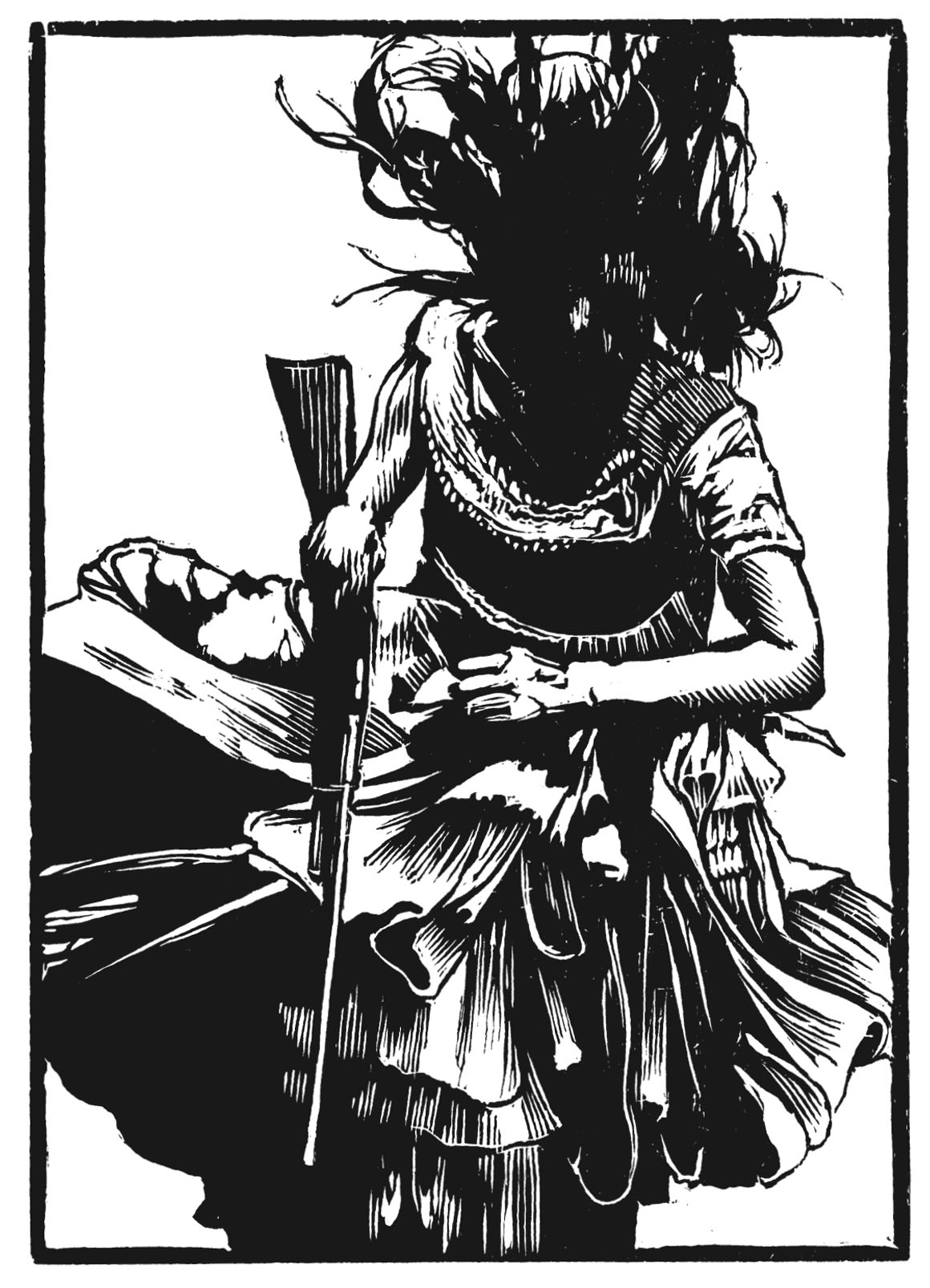
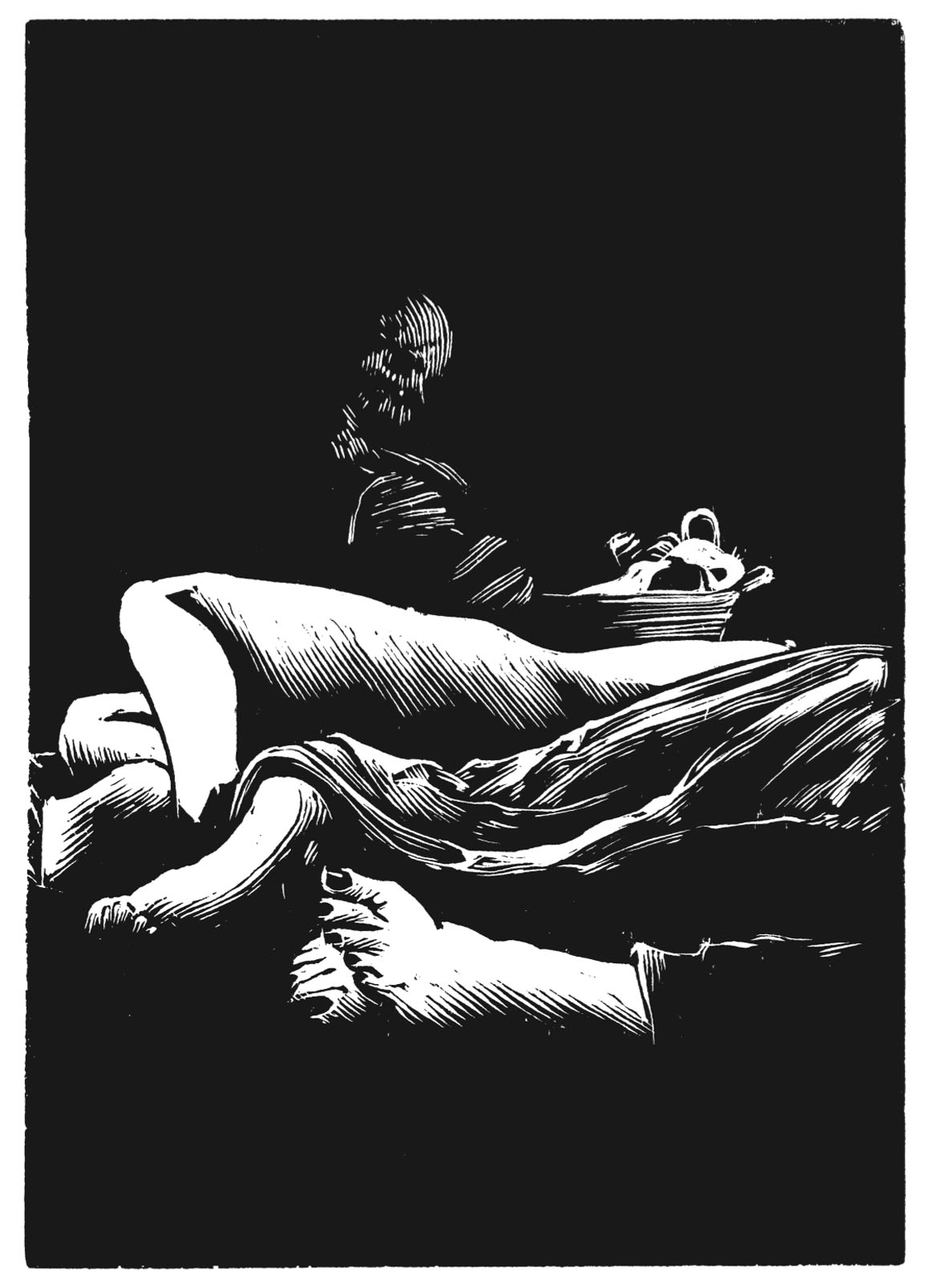
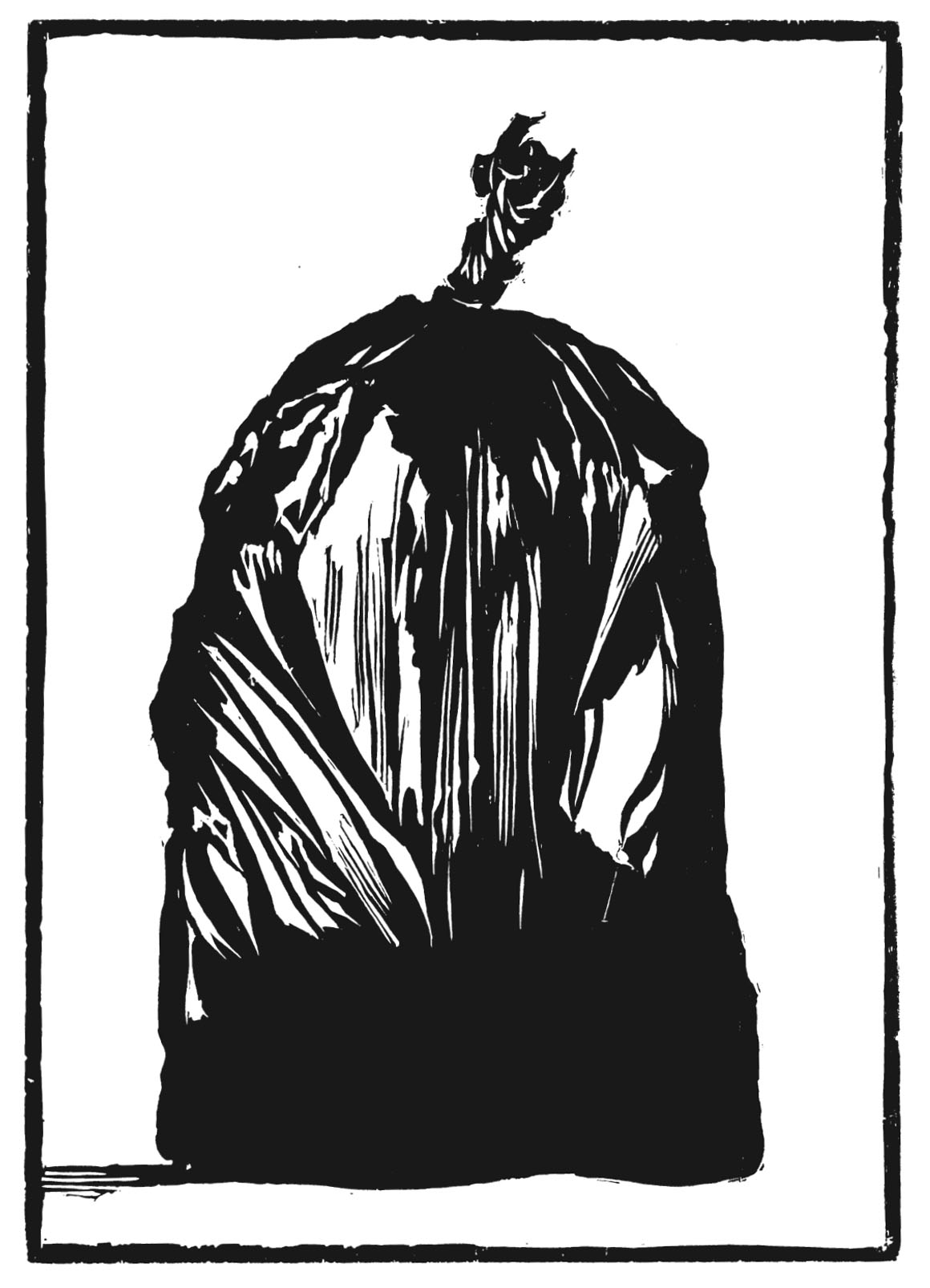
Published editions may differ slightly from mockups and prototype designs.
Illustrations © 2025 by Barry Moser.